
The Rise of Sape Farm
Changing the game for cassava production in the Solomon Islands

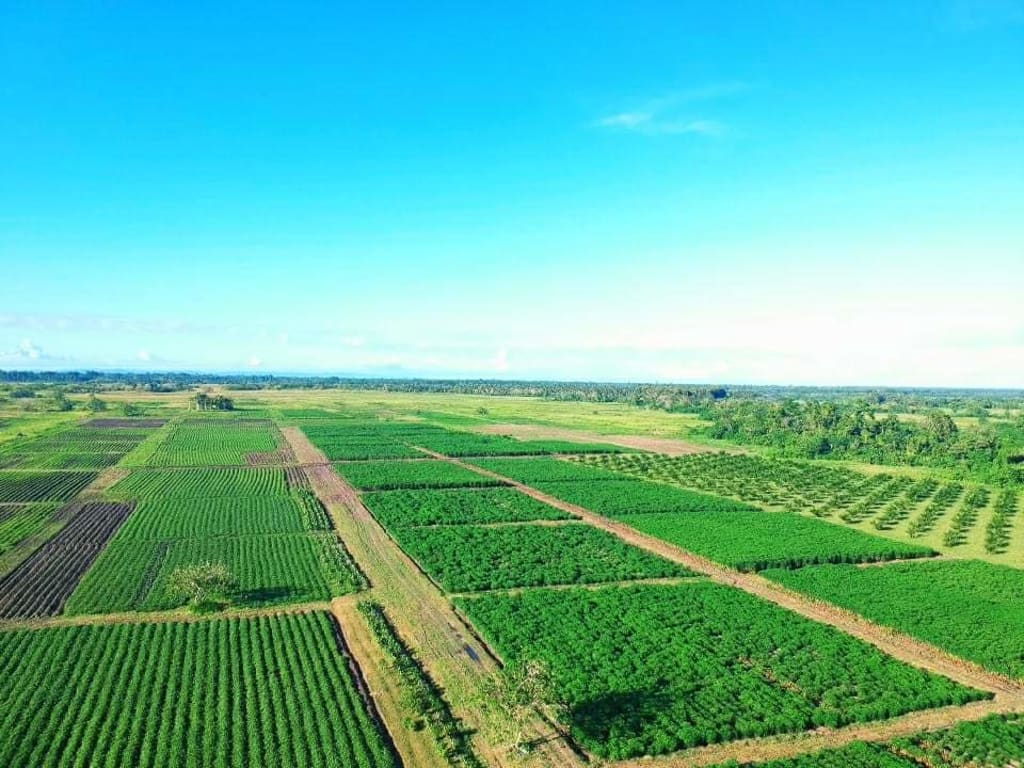
I was on an assignment to conduct a tok stori session with the owner the Sape Farm, a semi commercial Cassava farm in East Guadalcanal and it is changing the game for cassava production in the Solomon Islands. Here is an insight into the farms story.
Sape Farm is a locally owned farm managed by Dr. Paul Bosawai, a medical doctor, and his wife, a plant pathologist. The couple established the farm in 2017 after Dr. Bosawai resigned from his job as a medical doctor for Guadalcanal Palm Oil Limited (GPPOL) and the farm quickly become the largest cassava farm developer in the country. The farm produces cocoa, palm oil, sweet potato, cassava, and raises cattle, chicken, and pigs.
I asked Dr. Paul what his vision was and he said ultimately, his dream is to have a successful and sustainable farm that provides a comfortable livelihood, produces high-quality crops, and contributes to the wider agricultural community and the nation as a whole. He said he has to give up his job to work on what he had in mind since he was in high school. This is how it all started.
In 2020, the farm received formal business registration and proper bookkeeping, marking the beginning of a semi-commercial venture. The farm has a network of cassava out growers within its reach, and its machines are prioritized to assist them.
With the focus on the growing value chain cycle of cassava in Sape Farm, the farm currently sells its products domestically, with plans to export frozen peeled cassava and down-process them to other value-added cassava products such as flour, alcohol, ethanol, and animal feed.
With an expanded cultivated farm area of 40 hectares and an additional 250 hectares available, there is opportunity for increased crop production where Sape Farm can grow more crops, increasing its overall yield to meet the growing demand for food.
The farm produces an average capacity of 1040 tons annually, valued at USD $250.00. The farm makes an estimate of USD $96,000 profit for the crop at domestic prices. However, the farm is working on its strategy to produce at least 100 tons per month to export five containers. The farm gate price for the last two years was USD $0.24, but due to Covid-19 and increasing fuel prices, the new farm gate price stands at USD $0.36 which will have a significant impact on the domestic price of the crop.
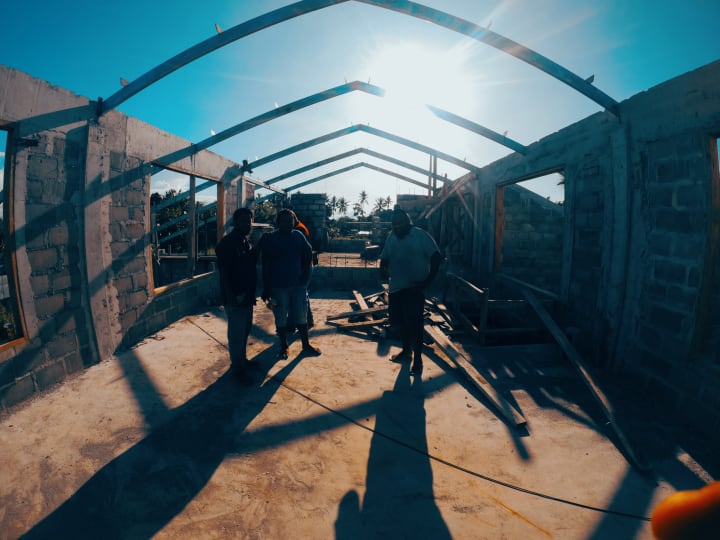
Sape Farm sells all its cassava locally at wholesale prices, without any value added. However, its pack house is envisaged to be completed by June 2023 and Sape Farm is building a pack house to value-add its products to peeled frozen cassava products (domestic and export), ethanol, alcohol, and animal feed. This strategy will address most of the marketing challenges but may also bring up new challenges to improve farming methods, increase production, schedule planting to meet weekly and monthly targets, and proper engineering of farming management and science practice.
Although it is the largest supplier to the National Referral Hospital, National Correctional Services, and Solomon Islands National University, it is working to establish and produce products to regular market outlets. Sape Farm is working on creating its marketing strategy, such as aggressive media campaigns, making deals with all supermarkets and stores throughout the country, or by creating its own farmers market that does wholesale and auctions.
Currently, Sape Farm's only marketing strategy is the use of media advertisements through social media platforms and word of mouth. But, due to the farm's location, transport difficulties, and customer conveyance, there are still challenges. Sape Farm recognized the need to innovatively invest more in e-platforms to sell its products.
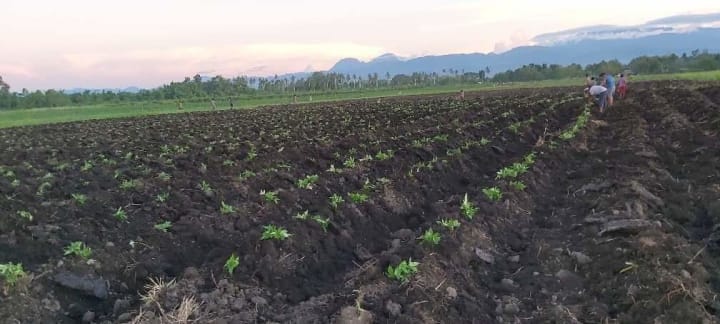
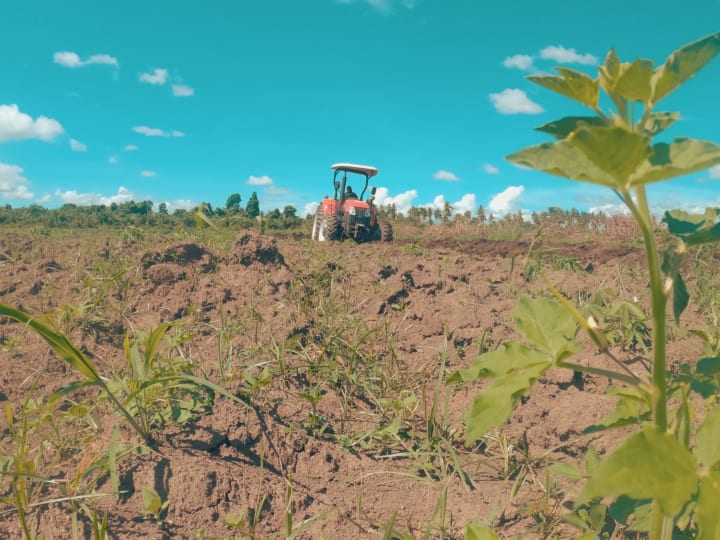
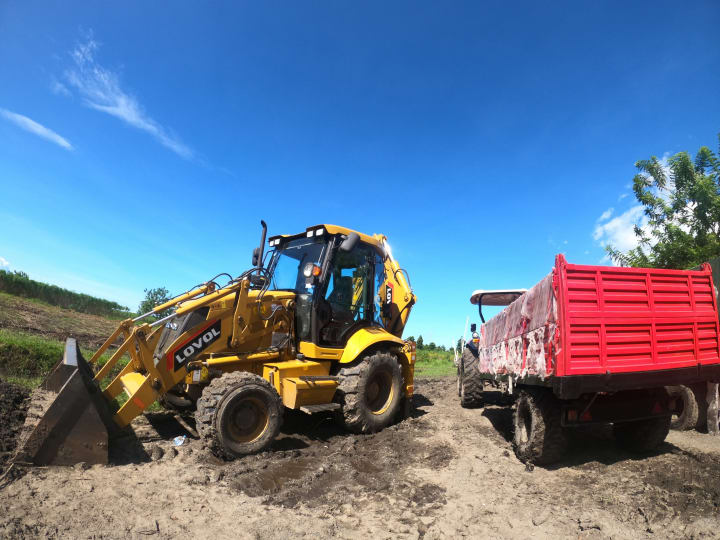
The farm's production and value chain cycle begin with land survey, land registration, UXO, land preparation, planting, harvesting, and marketing. The farm has three tractors, two trailers, a backhoe, trucks, farm implements, and a newly built pack house valued at USD $476,800
Over the years, Sape Farm received a government grant of over USD $300,00 to support its constructions and operations. Sape Farm design the cassava plots into 50m by 50m blocks with farm tracks running between them, producing an average capacity of 26 tons per month. The farm gate price increase has had a huge impact on the domestic price of the crop, forcing the local market price down in 2021.
Sape Farm's falling price poses challenges of oversupply, and alternative markets and investment in down-processing the crop are necessary.

About the Creator
Karl Saliga
"I'm a entrepreneur passionate about writing and networking and I strive to provide valuable and engaging content that helps my audience grow and succeed. Let's connect and grow together!"
Keep reading
More stories from Karl Saliga and writers in Motivation and other communities.
She Was Broke at 27… The Side Hustle That Rewrote Her Future
At 27, Maya felt like she was standing still while the rest of the world raced ahead. Every morning she woke up before the sun, rushed through a quick breakfast, and squeezed onto a crowded bus heading to a job she didn’t love. The paycheck barely covered her rent, groceries, and the growing pile of bills waiting on her kitchen table. By the end of each month, her bank balance was usually close to zero.
By MIGrowth6 days ago in Motivation
The Early-Day Habits That Keep High Achievers Energized and Healthy
Successful people rarely treat the morning as an ordinary time. Instead, they view the early hours as an opportunity to build momentum for the rest of the day. Because of this mindset, many high achievers follow routines that strengthen both their bodies and minds. These habits create stability and help them maintain energy throughout demanding schedules.
By Anthony Blumberg3 days ago in Motivation




Comments
There are no comments for this story
Be the first to respond and start the conversation.