



The Kava Village - Kolomola
Kava their Gold
I was fortunate to be part of the OrgClinic team, a consultancy firm that went to do a study in Kolomola Village right in the highlands of Isabel Province in the Solomon Islands. It was a six hours trip by boat and some two hours’ drive up on steep hills, rugged roads and across streams to the Kava Village. The scenery was breath-taking and beautiful with fresh air graced with the chirping and warbling melodic sounds of the birds. We went on this trip to investigate, examine and map the kava value chain which is part of a project to address the gaps in the KAVA export strategy. The village is known as the KAVA village simply because they plant and produce kava.
Kava is a growing cash crop and a social drink in the Solomon Islands. Kava roots is a traditional plant, however, using it for social events is an introduced phenomenon. Its popularity among Pacific Islanders and those diaspora populations in the Metropolitans cities in USA, Australia, New Zealand and elsewhere has increased its demand. Local farmers plant and sell its dried roots and stem for a good value. Solomon Islands Kava in the US Market is sold at around USD$100 per kg, or SBD$800 per kg so it is a lucrative industry .
Kava farming and its economic benefits has been realized and Solomon Islands government has formulated policies to regulate, assist and encourage kava farming, production and export. In 2021, the government’s re-direction policy, have opted to drive kava development alongside cassava and taro. However, there is a need for more research on the crop and its viability and the government is investing its resources into establishing the mechanism needed to set this industry up and running.
Cultivating and selling kava is an important source of income for rural farmers at Kolomola Village. Kava farming provide a reliable source of income for their farmers and since it can be harvested year-round, and the demand for kava is generally stable, which means that they can plan their finances more effectively.
Their small-scale kava farms are situated right in the mountains and normally they would build temporary shelter huts at their kava gardens because of the distance and return to the village at the end of the week. Interestingly women play a major role in planting kava because they are more careful than men and when they set up a kava nursery, their nurseries stand a better chance of producing healthy, quality kava seedlings compared to the current male dominated nurseries in Kolomola.
What intrigues me is how Kava has significant impact on the lives of the Kolomola Villagers. It has provided cultural, economic, and social benefits, as well as therapeutic properties for those who consume it.
With many of them relying on small-scale kava farming to get by, there communal setting and distance set them to realized that if they worked together, they could achieve much more than they could on their own. They developed ways to make the cultivation, harvest, processing, or transportation of kava more efficient or easier and its impact cascaded to other important establishments such as housing schemes where they were able to build permanent buildings.
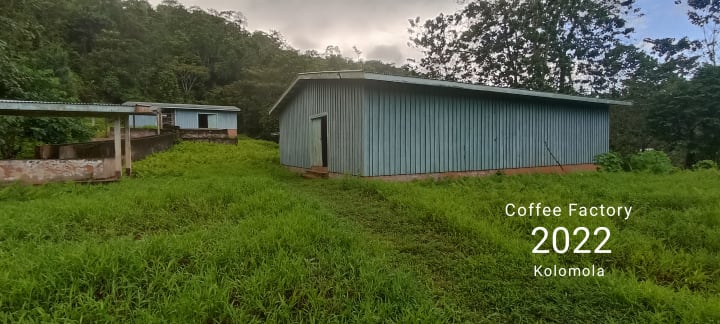
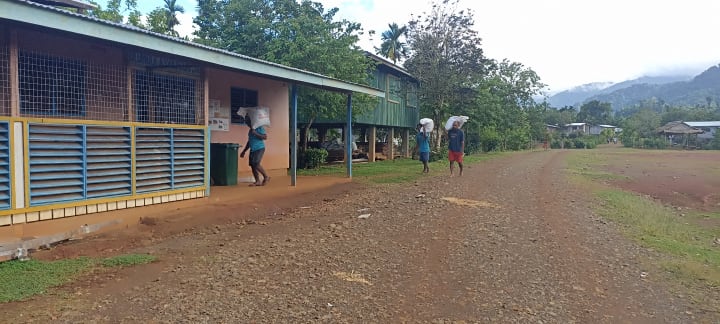
They set up an association store which was powered by a solar system that could store their frozen goods and this reduce their cost of travelling to the main port to shop. They knew that they would need to pool- their resources and work together to make it a reality and they all contribute a small amount of money towards the store's start-up costs in which they were able to earn a decent income from their sales. The association store was also the buying center for their Kava. After processing, it was brought down from the hills and taken to the association store where they were graded and purchased, packed and transported to the main port for transportation to Honiara Kava wholesale, Varivao holdings, for export.
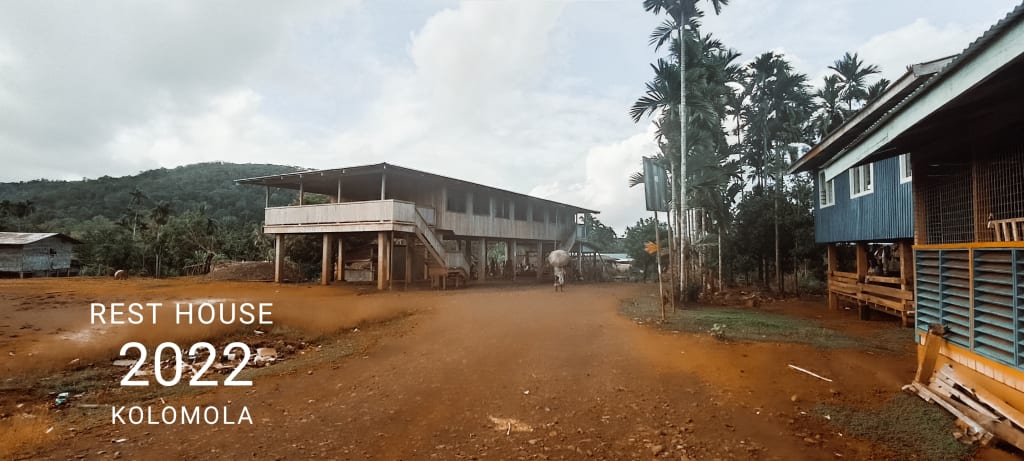
Encouraged by the success of the association store, the villagers also build a water system to provide a reliable and safe source of water for their community, construct a high raised rest house with a community hall at the bottom and bought their own vehicles to transport their goods to market. They pooled their resources once again and were able to purchase two trucks, which they used to transport their kava and vegetable goods to Kaevanga Port for shipment.
The villagers' decision to work together had not only helped them to improve their livelihoods, but it had also brought them closer together as a community. They tapped a lucrative industry “KAVA” and made positive changes that improved their standard of living and continued to support each other and to work together on other projects, knowing that they could achieve much more as a team than they ever could on their own.
About the Creator
Karl Saliga
"I'm a entrepreneur passionate about writing and networking and I strive to provide valuable and engaging content that helps my audience grow and succeed. Let's connect and grow together!"
Keep reading
More stories from Karl Saliga and writers in Motivation and other communities.
The 5 Essential Traits of Effective Leaders Who Succeed in Every Industry
Effective leaders shape teams, guide decisions, and build trust across every field. Whether someone works in business, healthcare, education, technology, or nonprofit work, leadership skills matter. While tools and systems change by industry, the core traits of effective leaders stay the same. These traits help people lead with clarity, confidence, and purpose.
By Jaime Iricka day ago in Motivation


Comments
There are no comments for this story
Be the first to respond and start the conversation.