
The Positive Impact of Trauma and How We Are Bound by It
The Hidden Lessons of Pain

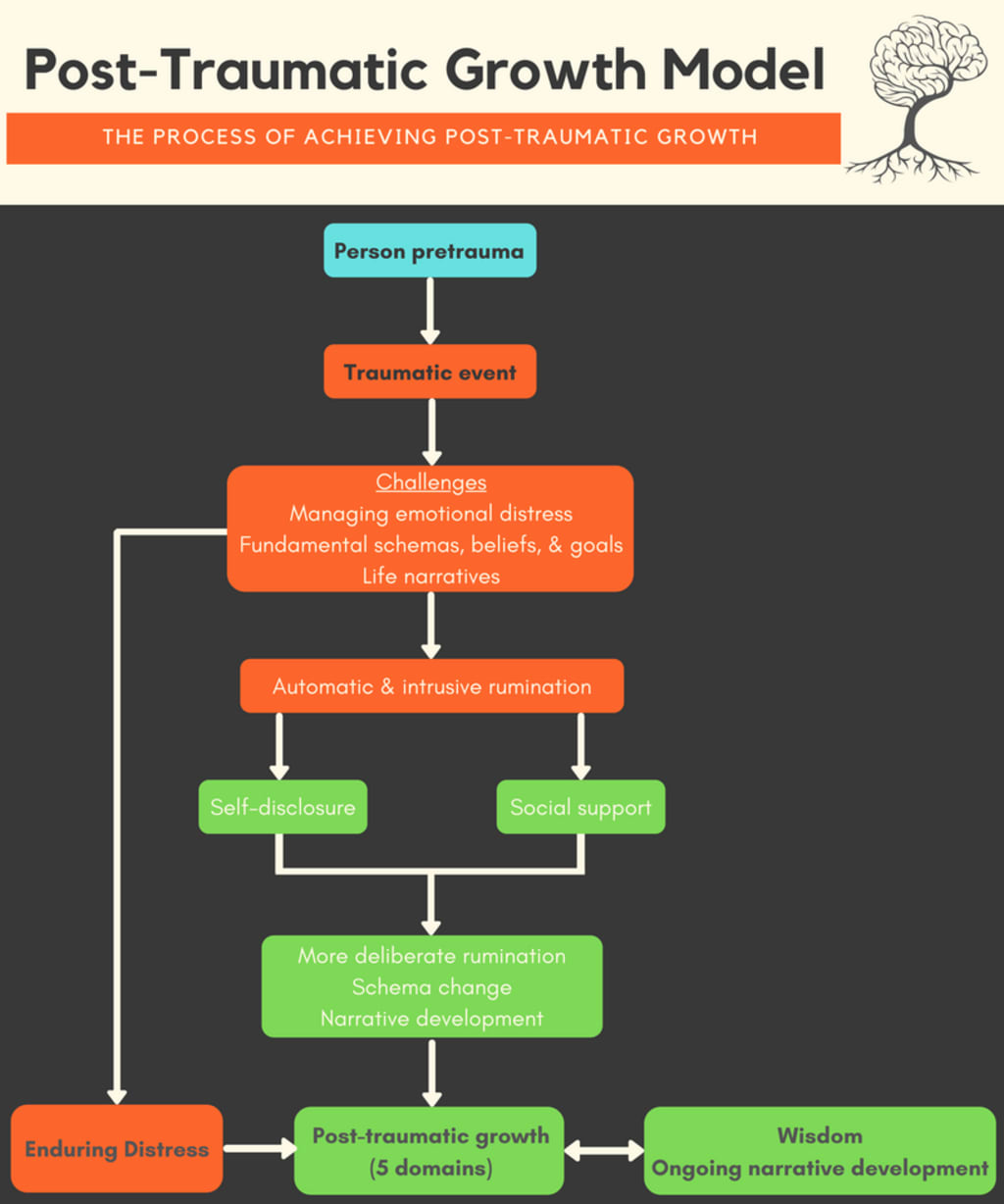
At some point in our lives, each of us encounters trauma, an experience so intense or distressing that it leaves a lasting impact on our mental and emotional well-being. Whether it stems from violence, abuse, accidents, natural disasters, or the loss of a loved one, trauma has the power to shape us. While society often focuses on the negative aftermath of trauma, particularly Post-Traumatic Stress Disorder (PTSD), there is another side that deserves more attention: Post-Traumatic Growth (PTG).
Post-Traumatic Growth is a real and powerful concept. Unlike PTSD, which highlights the suffering and difficulties trauma can cause, PTG speaks to the positive psychological changes that can arise in the aftermath of adversity. Though many may be unfamiliar with the term, those who explore it will find that it represents the resilience, insight, and strength that can emerge when individuals face their trauma and grow from it.
Many people attempt to avoid or suppress their traumatic memories, locking them away so deeply that they forget the events even occurred. However, trauma often acts as a defining force in our lives. It shapes our perspectives, our choices, and even our personalities. If specific traumatic events had never happened, we would be entirely different people. Some might see the world through a darker, more cynical lens, while others might embrace a more colorful, optimistic view. In either case, trauma teaches us. It forces growth, whether we realize it or not.
There is strength in pain. Trauma introduces us to realities we may never have faced otherwise. Although traumatic experiences are difficult to endure, they often serve as turning points in our lives. Rather than focusing solely on how trauma made us feel weak, we can choose to see how it made us stronger. The past cannot be changed, no matter how much we dwell on it. Trying to hide it away only intensifies the pain over time. Instead, we can harness our trauma and use it as a tool for personal development.
Consider the story of Jerry, who grew up in a broken household. Witnessing dysfunction firsthand, Jerry made it his mission to keep his own family intact. He refused to repeat the mistakes of his parents. His traumatic childhood became a guide, a rulebook for how to build a better home and become a more loving father and partner. The very thing that hurt him most also taught him what truly matters.
In another example, studies show that approximately 50% of couples who have experienced the death of a child report becoming more emotionally intimate with each other. Grief, in all its pain, can draw people closer. Vulnerability opens the door to deeper connection. A husband who once prioritized work or time with friends might now spend more time at home, cherishing his relationship and showing more affection, all in an effort to heal together and rebuild their life.
The same principle applies to individuals who have experienced trauma on a personal level. A woman who has survived sexual assault may go on to learn self-defense, carry safety tools, and develop a heightened awareness of her surroundings. She emerges from her experience with a stronger sense of self and a determination to never let her guard down again. Similarly, a child raised by an alcoholic parent might grow up to avoid alcohol entirely, having witnessed its devastating effects. That painful exposure becomes a lifelong lesson in discipline and self-preservation.
These examples are only a few illustrations of how trauma can lead to growth. But such growth is only possible when we face our trauma head-on. We must acknowledge it, process it, and accept it as part of our story. Only then can we transform it into a source of strength.
In the end, trauma does not have to define us in a negative light. It can empower us. It can teach us how to love, how to protect, and how to live with purpose. It can guide us to help others, to share our stories, and to spread light where we once only saw darkness.
No matter how much we try to run from it, trauma will always be part of our lives. But instead of letting it control us, we can choose to control how we respond to it. We can make it our story of survival and resilience.
Embrace your trauma. Learn from it. Use it. Teach others what you’ve learned. Turn your pain into power and let that be your greatest transformation.
About the Creator
Melody Sky
Wandering through life, asking questions, collecting moments. Still figuring it all out.
Keep reading
More stories from Melody Sky and writers in Motivation and other communities.
The Weight Of 25
Being an adult has been the hardest thing I’ve ever done and I’m not even sure I qualify as a full adult yet. I’m 25, with six months and five days left before I turn 26, life feels a lot heavier than I expected. Honestly, some days I wish I never grew up.
By Melody Sky10 months ago in Education
One Hard Thing
Stop me if you’ve heard this one before: You have the number, you know your schedule- you’ve even picked out the perfect day and time to make this appointment. Shoot, you’ve even picked out alternative days and times just in case their schedules can’t accommodate you!
By Taylor Rigsby22 days ago in Motivation
Success Ka Asal Raaz: Simple Tips To Grow, Stay Focused & Achieve Your Goals
Success: How to Achieve Your Dreams Without Losing Yourself Success is an objective that all individuals aim for. Some individuals view success solely as wealth, others equate it with popularity, while some define it simply as joy. But truthfully, it isn't just these. Success truly revolves around personal growth, self-honesty, and remaining committed to your objectives. Indeed, the journey to success is not always simple or direct, but with the proper attitude and diligent effort, anyone can reach their goals.
By NadirAliWritesabout 19 hours ago in Motivation
The Cave Part 6
If you have ever heard a tale about yourself that you cannot remember and doubtless think is made up, you will know how I felt when Tharkin related all that the eagle had seen of me before my memories were scattered. Of far distances and traveling companions that I did not recall, camping out under the stars and making our way to the mountains with deliberate purpose. The great bird had lost contact with my party once we entered the forests, and the seven other members were not seen again by him or his brethren since.
By Jamye Sharpa day ago in Chapters


Comments
There are no comments for this story
Be the first to respond and start the conversation.