
The Night Barcelona Taught Me How to Breathe Again
Some cities transform after dark, but Barcelona doesn't just change

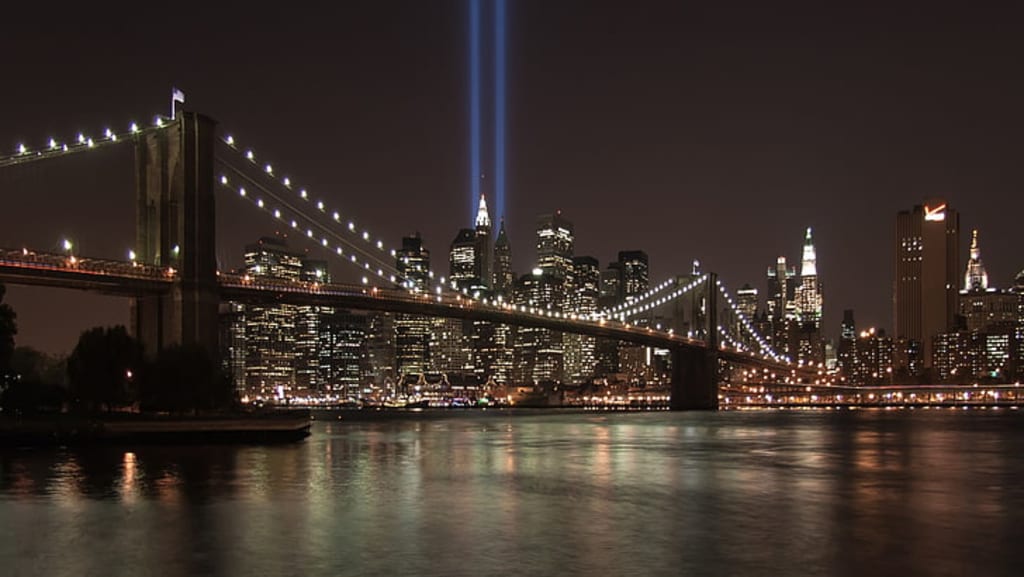
it reveals its soul. The harsh Mediterranean sun that beats down during the day gives way to something softer, more intimate. The tourist crowds thin out, the street performers pack up their guitars, and what emerges is a city that feels like it's been waiting all day to show you who it really is.
I've wandered through enough European capitals to know they each have their own nocturnal rhythm. London becomes mysteriously elegant in the fog and lamplight. Rome feels ancient and eternal under starlight. Amsterdam glows with a cozy, amber warmth that makes every canal look like a painting. But Barcelona at night? Barcelona becomes a city that knows how to live, not just exist.
The evening I'm thinking about happened two years ago, but I can still taste the salt air mixing with the scent of grilled seafood from the beachfront restaurants. It was one of those perfect accidents that happen when you stop following your guidebook and start following your curiosity instead.
When the Mediterranean Exhales
My travel companions and I had spent the day doing all the expected Barcelona things – marveling at Gaudí's impossible architecture, getting lost in the Gothic Quarter's maze of medieval streets, sampling tapas in crowded markets where vendors called out in rapid-fire Catalan. By evening, we were tourist-tired and ready for something real.
That's when we found ourselves walking toward the beach, drawn by the promise of space and the sound of waves that you can hear even over city traffic if you know how to listen. Barceloneta at 11 PM is nothing like the sun-soaked, volleyball-playing carnival it becomes during the day. The beach bars were still open, but the energy had shifted from party-mode to something more contemplative.
We walked along the waterfront promenade, past couples sharing bottles of wine on the sand and groups of locals playing guitar under the palm trees. The Mediterranean stretched out like black silk, punctuated by the lights of distant boats and the gentle rhythm of waves that have been touching this shore since long before Barcelona existed.
The Architecture of Evening Light
What struck me wasn't just the beauty of the coastline, but how the city looked from the water's edge. Barcelona's skyline isn't dominated by glass towers competing for attention like so many modern cities. Instead, it rises in gentle layers – the medieval stone of the old city, the elegant modernist apartments of the Eixample district, the distant silhouette of Montjuïc hill crowned with the Olympic flame that still burns in my memory.
The streetlights along Las Ramblas twinkled in the distance like a river of amber, and I could see the illuminated spires of the Sagrada Família reaching toward stars that were somehow visible despite the urban glow. There's something about Barcelona's relationship with light that feels intentional, artistic – as if the city planners understood that beautiful architecture deserves beautiful illumination.
I found myself thinking about the layers of history represented in that view. Roman walls, medieval churches, modernist masterpieces, contemporary additions – all coexisting in a way that felt organic rather than jarring. Unlike cities that seem to rebuild themselves completely every generation, Barcelona feels like it grows, adding new chapters without erasing the old ones.
The Rhythm of Spanish Time
What I love most about Spanish cities at night is how they operate on a completely different temporal logic than the rest of Europe. Dinner doesn't even start until 10 PM. Children play in plazas at midnight while their parents sip wine and catch up with neighbors. The night doesn't feel like borrowed time that needs to be carefully rationed – it feels like an integral part of life, as important as the daylight hours.
Sitting on a wooden bench facing the water, I watched families stroll past at a pace that would be considered leisurely anywhere else but felt perfectly natural here. No one was checking their phones obsessively or rushing toward the next activity. There was a sense of presence, of actually inhabiting the moment instead of just passing through it.
The conversation around me was a mixture of Spanish, Catalan, and a dozen other languages – Barcelona's status as a global city evident in every overheard fragment. But despite the linguistic diversity, there was something universal about the scene: people taking time to appreciate beauty, to connect with each other, to remember that life is meant to be savored rather than simply survived.
The Lesson of Mediterranean Living
As the night deepened and the beach gradually emptied, I realized why this moment felt so significant. I'd been living my life like a typical northern European or American – rushing from task to task, treating leisure as something to be earned rather than something to be integrated into daily existence. But Barcelona's nighttime rhythm suggested a different approach entirely.
Here was a city that understood the value of lingering, of making space for beauty and conversation and the simple pleasure of being alive in a beautiful place. The lights reflecting on the dark water weren't just functional illumination – they were an invitation to pause, to appreciate, to remember that human beings need more than efficiency and productivity to thrive.
I thought about my usual evening routine back home: checking emails after dinner, scrolling through news that made me anxious, planning the next day's tasks before I'd even finished processing the current day. When had I last taken time to simply sit by water and watch light dance on waves?
The Democracy of Public Space
One thing that struck me about Barcelona's nighttime culture was how democratic it felt. The waterfront wasn't dominated by expensive restaurants or exclusive clubs – it was genuinely public space where everyone was welcome. Wealthy tourists sat on the same benches as local families, street musicians played for whoever wanted to listen, and the Mediterranean breeze didn't discriminate based on your hotel budget.
There's something profound about cities that prioritize public beauty over private luxury. The illuminated fountains, the carefully maintained palm trees, the wide pedestrian promenades – these weren't amenities for the wealthy but gifts to anyone who chose to experience them. Barcelona at night felt like a city that understood its responsibility to nurture the human spirit, not just the economy.
The Memory That Reshapes Priorities
When we finally headed back to our hotel around 2 AM, walking through streets that were still alive with conversation and laughter, I knew something had shifted in my understanding of what cities could be. This wasn't just about vacation time or tourist experiences – it was about fundamentally different assumptions about how life should be lived.
The image that stayed with me wasn't just the visual beauty of the illuminated coastline, but the feeling of being part of a culture that made space for wonder. Barcelona's night lights didn't just illuminate buildings and streets – they illuminated possibilities I hadn't considered before.
The Ongoing Influence
Now, whenever I feel caught up in the relentless pace of modern life, I think about that Barcelona evening. Not as nostalgia for a vacation that's over, but as a reminder that different approaches to living are possible. That cities can be designed for beauty as well as efficiency. That nighttime can be about more than recovering from the day's exhaustion.
I've started building small rituals into my own life that honor what Barcelona taught me about the importance of pausing, appreciating, and making space for beauty even in ordinary moments. Because that's what Barcelona's night lights really illuminated – not just the Mediterranean coastline, but the possibility of living with more intention, more presence, and more appreciation for the simple fact of being alive in a world that contains such unexpected beauty.
Sometimes the most important journeys aren't the ones that take you to new places, but the ones that show you new ways of being wherever you are.
About the Creator
Allen Boothroyd
Just a father for two kids and husband
Keep reading
More stories from Allen Boothroyd and writers in Motivation and other communities.
Personal Growth Tracking: Reflection on Emotional Highs and Lows
It was a pretty fluctuating week. Emotionally, I don’t know if it’s because of hormonal changes in my body or some other triggers. Anyway, I’m glad I survived another week, and I hope you did too. We’ve all done an amazing job.
By Falls Shu6 days ago in Motivation
I Quit Social Media for 7 Days — The Result Was Unexpected
It started as an experiment, but by Day One, I realized I might be in over my head. I had spent years glued to my phone, scrolling endlessly through feeds, reacting to news, memes, friends’ updates, and videos that seemed harmless at first. Social media was a constant companion, a background hum in my life. But I had begun to notice something: instead of feeling informed, I felt drained. Instead of feeling connected, I felt distracted. Instead of feeling productive, I felt hollow.
By Imran Pisani6 days ago in Motivation
My First Time Skiing and I Got Lost, Alone, in the French Alps
Looking back, I can trace some of my life’s biggest adventures to a simple action from my sister. She’d introduced me to Tommy (a very long time ago), a colleague of hers, who had overshared his penchant for Italian-looking women, and I ticked that box.
By Chantal Christie Weiss2 days ago in Humans


Comments
There are no comments for this story
Be the first to respond and start the conversation.