
The Motivation Science: What Motivates Us?
Learn the science of motivation and what drives us. From brain chemistry to daily tips, discover how to stay motivated and achieve your goals.

Why Do We Feel Motivated Some Days and Stuck on Others?
We’ve all experienced days when we’re bursting with energy to chase our goals and others when even simple tasks feel impossible. Why does motivation come so easily sometimes and disappear at others? It’s not just about willpower or wanting something enough—there’s real science behind it. Motivation comes from a mix of how our brains function, how we think, and what’s going on around us. By understanding what sparks motivation, you can find ways to keep pushing forward, whether you’re working on a big project, trying to get healthier, or pursuing a personal passion. Let’s dig in and explore what truly drives us.
What Is Motivation?
Understanding the Inner Drive
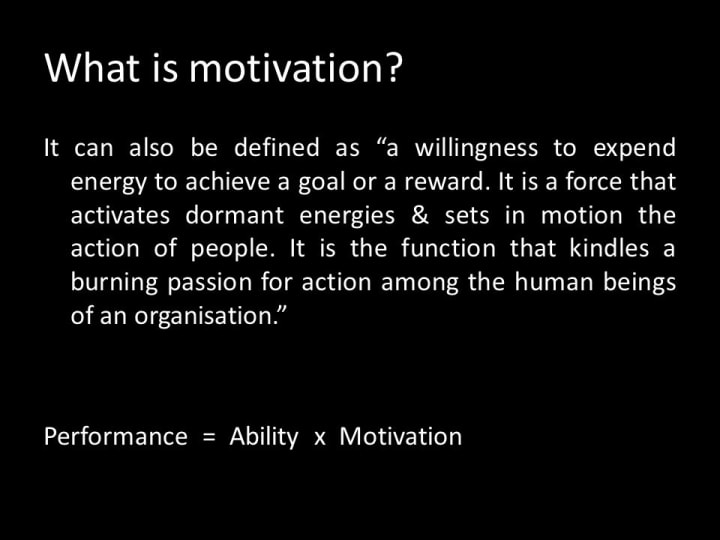
Motivation is the force inside you that pushes you to act. It’s why you wake up early to study or put in extra effort to nail a presentation. Experts describe two main types: intrinsic and extrinsic. Intrinsic motivation comes from within—it’s about doing something because it feels meaningful or enjoyable, like gardening because you love nurturing plants. Extrinsic motivation is tied to external rewards, like studying to earn a high grade or working late for a bonus. Both can inspire action, but intrinsic motivation often lasts longer because it’s connected to what matters to you personally.
Why It Matters
Knowing whether you’re driven by internal satisfaction or external rewards can help you stay focused. The science of motivation offers tools to tap into that energy, even when it feels out of reach.
How Your Brain Fuels Motivation

The Role of Dopamine
Your brain plays a huge part in how motivated you feel, and a chemical called dopamine is key. Dopamine isn’t just about feeling happy—it’s about the excitement of anticipating something good. It’s the rush you get when you’re close to finishing a task or looking forward to a fun event, like a weekend getaway. That sense of expectation is what drives you to keep going.
Finding Balance
Dopamine needs to be balanced. If you’re always chasing quick rewards—like constantly checking your phone for notifications—you can overload your brain’s motivation system, leaving you tired. Too little dopamine, and you might feel slow or uninterested. Setting small, achievable goals is a great way to keep things steady. Each time you complete something, your brain releases a small dose of dopamine, giving you the energy to continue.
Finding a Flow State

What Is Flow?
Have you ever been so absorbed in something that hours passed without you noticing? That’s a flow state, and it’s one of the best ways to stay motivated. Flow happens when a task is challenging enough to keep you engaged but not so tough that you feel defeated. It’s like reading a book that’s interesting but not too hard to follow—you’re completely immersed.
Why Flow Keeps You Going
Research shows that flow doesn’t just boost productivity; it makes you want to return to the task later. To find flow, choose activities that stretch your skills but feel manageable. When you hit that sweet spot, you’ll feel focused and energized.
The Power of Habits

Motivation Starts, Habits Sustain
Motivation gets you going, but habits keep you moving forward. Think of motivation as the initial burst of energy and habits as the routine that carries you through. For example, if you want to exercise regularly, you might need a lot of motivation to start. But after a few weeks of consistency, it becomes part of your day.
Building Habits Through Repetition
Science shows that repeating an action makes it easier over time because your brain creates a mental shortcut. Start small—like walking for 10 minutes daily—and build from there. Soon, you’ll do it without needing to psych yourself up.
Simple Steps to Build Habits
- Keep it small: Try one quick task, like writing a sentence or doing a short stretch.
- Tie it to a routine: Do it after something you already do, like brushing your teeth.
- Celebrate progress: A simple “I did it!” can help the habit stick.
How Your Environment Shapes Motivation

The Impact of Your Space
Your surroundings affect your motivation more than you might realize. A noisy, cluttered room can make it hard to focus, while a quiet, organized space can help you get to work. Small changes—like silencing your phone or tidying your desk—can make a big difference.
The Influence of People
The people around you also play a role. Spending time with others who are driven or supportive can inspire you to keep going. Surround yourself with encouraging friends or colleagues, and you’ll find it easier to stay motivated.
When Motivation Fades
It’s Normal to Struggle
Sometimes, no matter how hard you try, motivation just isn’t there. That’s perfectly normal—motivation isn’t constant. Instead of getting upset, give yourself permission to take a break. A short walk, a nap, or a good night’s sleep can help you recharge. Being kind to yourself when you’re struggling can make it easier to bounce back.
What Research Reveals About Motivation

The Power of Specific Goals
Recent studies on motivation offer helpful insights. One key finding is that specific goals work better than vague ones. For example, saying “I’ll read one chapter tonight” is more effective than “I want to read more.” It gives you a clear target to aim for.
The Role of Support
Another discovery is that support from others makes a big difference. Having someone cheer you on—whether it’s a friend, family member, or coworker—can keep you going, especially during tough times. Surprisingly, even small rewards, like a kind word or checking off a task, can boost motivation more than expected, according to a 2021 study.
Practical Tips to Stay Motivated

Everyday Strategies
Here are some simple ways to use the science of motivation in your life:
- Set specific goals: Use the SMART method—Specific, Measurable, Achievable, Relevant, Time-bound. “Finish one report by noon” beats “work harder.”
- Make it enjoyable: If a task feels dull, find a way to make it fun, like listening to music while cleaning.
- Seek support: Share your goals with someone you trust for encouragement and accountability.
- Start small: Break big tasks into smaller steps. Begin with just five minutes and build from there.
- Rest when needed: If you’re feeling stuck, step away for a bit to clear your mind.
Final Thoughts: What Keeps Us Moving?

Motivation is a blend of your brain, your habits, your environment, and a touch of science. It’s not about being full of energy every day—it’s about knowing how to find that drive when you need it. Whether you’re building stronger habits, creating a space that helps you focus, or simply taking a break, you have plenty of tools to stay on track.
When you’re feeling stuck, ask yourself: What’s driving me? Is it a small win, a supportive friend, or a clearer workspace? Try different approaches, find what works for you, and keep working toward your goals. What’s one thing you can do today to boost your motivation?
About the Creator
Padm R
Writing about personal growth, self-improvement, and productivity. Discover practical, no-fluff tips to build better habits, stay motivated, and reach your goals.
Keep reading
More stories from Padm R and writers in Motivation and other communities.
Stop Putting It Off: Real Talk on Beating Procrastination
We’ve all been there. You’ve got a deadline looming, a project staring you in the face, or a sink full of dishes, and instead of tackling it, you’re scrolling through TikTok or reorganizing your spice rack. Procrastination is that annoying friend who shows up uninvited and won’t leave. But here’s the deal: you can kick it to the curb. I’m not about to throw some robotic, cookie-cutter advice at you. These are real, human tips that actually work—stuff I’ve tried myself when I’m dodging writing deadlines or avoiding life’s boring chores. Let’s dive in and figure out how to get stuff done.
By Padm R9 months ago in Motivation
My YouTube Channel Ended with 43 Public Watch Hours in 2025
My YouTube channel has been quite the journey so far. I finally decided to start my official channel in 2025, a dream that I have been hesitating to act on for so many years. I was afraid to start my YouTube channel for the longest time, because I didn't have the skills to start a 'proper channel.'
By Emy Quinn4 days ago in Motivation
'20/20'
"Do It Again" the track that would ultimately open the Beach Boys final album on Capitol Records which was released on February 10th 1969 had originally been released as a single in August of 1968. The track was the first of many post-Pet Sounds era throwbacks to the early Beach Boys sound which would become continually more cliched and eventually lead the Beach Boys to the level of self-parody they would eventually succumb to in the 1980s while their closest contemporaries The Beatles nearing the end of their run in 1969 would go on to be viewed as the most influential band of all time. However, the song itself is not bad on its surface, and it opens with a futuristic sounding (for 1969) drumbeat captured by then-Beach Boys engineer Stephen Desper using tape delays on the drums performed by Dennis Wilson and John Guerin. The song has been re-recorded numerous times over the years on various Beach Boys-related projects most notably the 2011 re-recording at Capitol studios featuring the five surviving Beach Boys at the time backed instrumentally by various members of both the Brian Wilson Band and Mike Loves touring "Beach Boys" to promote the then upcoming Beach Boys 50th Anniversary reunion tour in 2012. The hammering and power drill sound at the end of the song was an excerpt from a track called "Workshop" that was to be a part of the uncompleted "SMiLE" album.
By Sean Callaghan6 days ago in Beat


Comments
There are no comments for this story
Be the first to respond and start the conversation.