
SIDA's Innovative approach to local resource development in Solomon Islands
"Adding Value, Empowering Communities"

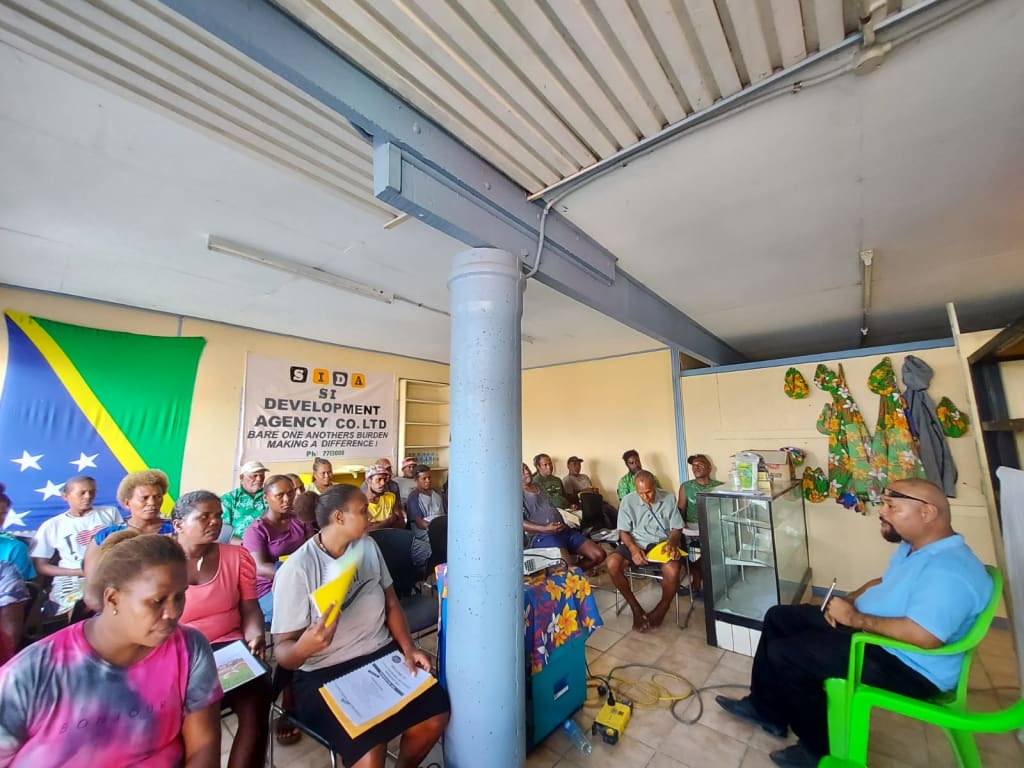
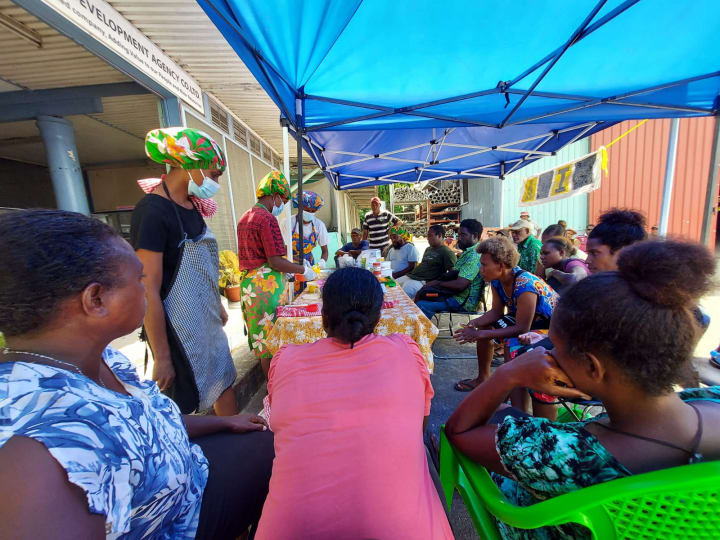
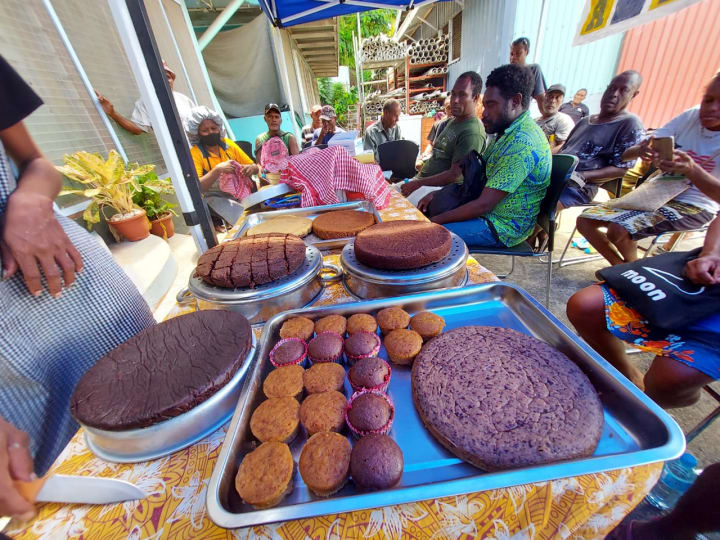
The Solomon Islands Development Agency (SIDA) is a unique organization that seeks to add value to the country's natural resources and people. Its approach focuses on maximizing the economic benefits that can be derived from local resources by developing new products or processes that increase their marketability and demand. This approach not only creates new employment opportunities and boosts the local economy but also provides environmental and social benefits by promoting sustainable farming practices and preserving traditional knowledge and cultural heritage.
SIDA's vision is to help rural communities in the Solomon Islands grow their economy by encouraging farming activities that can generate income and profit. By adding value to local resources such as Taro, Banana, and Sweet Potatoes through processing them into value-added products, SIDA is helping to generate new sources of income for local entrepreneurs and create jobs for people in the community. SIDA also emphasizes the use of sustainable farming practices, which can reduce the environmental impact and improve soil health while empowering local communities.
SIDA is committed to its mission of working closely with local communities and stakeholders in Honiara and the provinces. To achieve this, SIDA offers training programs, helps entrepreneurs develop new businesses, and provides access to markets. Through these initiatives, SIDA has already trained over 300 people, who are now equipped to share their knowledge with their own communities, thereby fulfilling one of SIDA's primary objectives to disseminate knowledge to rural areas and communities in the Solomon Islands.
SIDA believed that by using our local resources in the best way possible, our rural communities can create opportunities for themselves and their families while also contributing to the country's economy and society.
According to SIDA's CEO Joseph Poha, the organization has developed an innovative strategy for adding value to local resources that is different from traditional approaches. An instance of this is to create collaborative networks by creating partnerships and networks between different actors in this value adding and processing industry.
By working together, local producers can access new markets, share knowledge and expertise, and use their collective bargaining power to negotiate better prices for their products. Poha believes that this approach will be more effective in supporting economic growth and benefiting local rural communities.
Mr. Poha would also like to express his gratitude and satisfaction towards Caritas Australia for their financial support that enabled SIDA to conduct training programs for 32 participants from Guadalcanal and Malaita. This was the largest number of attendees that SIDA had ever had at their training sessions, and Mr. Poha recognized Caritas Australia's significant contribution to making this possible. It is encouraging to witness organizations like Caritas Australia supporting crucial initiatives such as these.
The past months has been critical for SIDA as it carries out its research and testing. Over time SIDA has developed a profitable food processing and business models with a high rate of return on investment, exceeding 40%. SIDA has also established links and interventions, markets, and key stakeholder relationships locally and internationally. By working closely with local communities and stakeholders, SIDA has create a positive impact and promote sustainable development to the grassroots level.
SIDA's value-adding processes are an effective solution to current food security issues, as they generate better prices for root crops, create employment opportunities, and generate significant revenue for the government, private sector, and local communities at large. SIDA has developed a complete, tested, and proven value-added model that starts with training and certifying ordinary farmers to participate in the pre-processing stages.
SIDA purchases the root crops, adds further value by producing finished flour products, packages and labels the products, and then distributes them to locally. SIDA also educates its customers and people that are using its product on how to cook and use their products, ensuring health and quality standards are met and guaranteed.
Over a period of 3 years, SIDA plans to produce several products, including Banana, Cassava, Taro, and Cocoa, among others. These products are processed under strict compliance with food processing standards set by the Ministry of Health and in accordance with relevant international food processing standards. Some of these products are already available at the local market, such as Bulk Shop, SIDA China Town, and SIDA's Head Office at Ranadi, LKP Building.
SIDA's mission to help Solomon Islanders be more productive, take care of the environment, have peace, and be prosperous is making significant progress. By adding value to local resources, promoting sustainable farming practices, and working closely with local communities and stakeholders, SIDA is creating new opportunities and making a positive impact in the Solomon Islands.
About the Creator
Karl Saliga
"I'm a entrepreneur passionate about writing and networking and I strive to provide valuable and engaging content that helps my audience grow and succeed. Let's connect and grow together!"
Keep reading
More stories from Karl Saliga and writers in Motivation and other communities.
Unlocking Your Potential
First Aid Session with Solomon Islands Red Cross Participants Unlocking your potential – The power of skillset Skillset is an essential factor that should be valued highly in all aspects of life. Skillset refers to a person's abilities, knowledge, and expertise in a particular area. It is the combination of technical and non-technical skills that an individual possesses, which are useful in performing a particular task or job.
By Karl Saliga3 years ago in Motivation
I Woke Up at 5 AM for 7 Days — Here’s the Honest Truth Nobody Talks About
I remember staring at the ceiling at 4:57 AM, my alarm threatening to shatter the silence of my room. Two minutes away from the most agonizing hour I had ever voluntarily committed to, my mind screamed at me: Go back to bed. Sleep is safe. Success can wait.
By Imran Pisani5 days ago in Motivation
The Night I Almost Gave Up — And the 5 Truths That Pulled Me Back
There's a moment most people never talk about. Not the breakdown. Not the hospital. Not the dramatic rock bottom you see in movies. It's quieter than that. It's 2 a.m., the house is still, everyone you love is asleep — and you're sitting on the bathroom floor wondering not how to end things, but how to keep going.
By Mahveen khan6 days ago in Motivation




Comments
There are no comments for this story
Be the first to respond and start the conversation.