
The impact of technology on our sleep
Examining the effects of digital devices and other technologies on our sleep patterns and overall health.

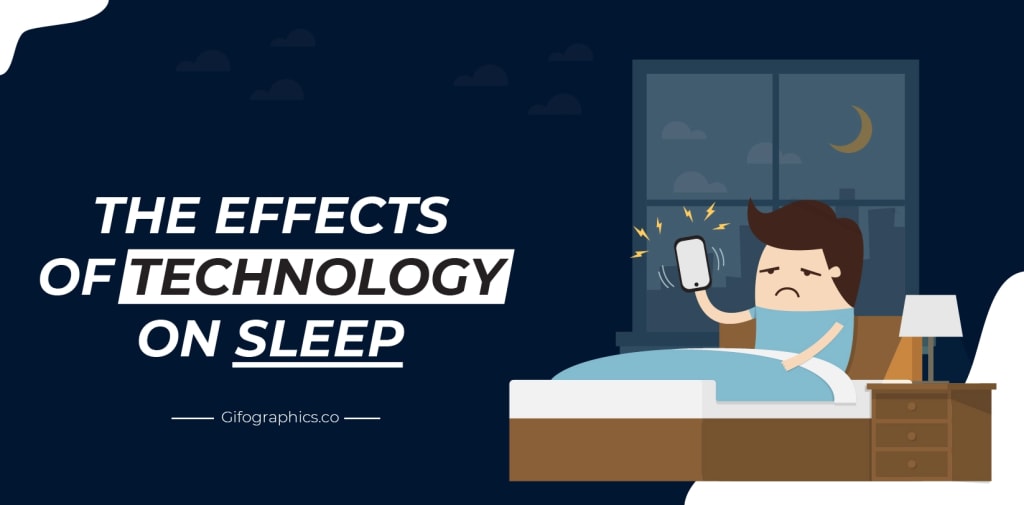
Technology has become an integral part of our lives, and we use it for almost everything we do. From communication to entertainment, work, and education, technology has revolutionized the way we live our lives. However, the convenience and accessibility that technology provides come at a cost, and one of the most significant costs is our sleep.
In recent years, researchers have been studying the impact of technology on our sleep, and the results are alarming. Digital devices such as smartphones, tablets, and laptops emit blue light, which suppresses the production of melatonin, a hormone that regulates our sleep-wake cycle. As a result, our brains become more alert, making it harder to fall asleep and stay asleep.
Furthermore, digital devices also stimulate our brains, making it harder for us to wind down before bedtime. The constant notifications, messages, and emails keep our minds active, and we find it hard to switch off and relax. As a result, we may end up staying up late, scrolling through social media, watching videos, or playing games, causing us to get less sleep than we need.
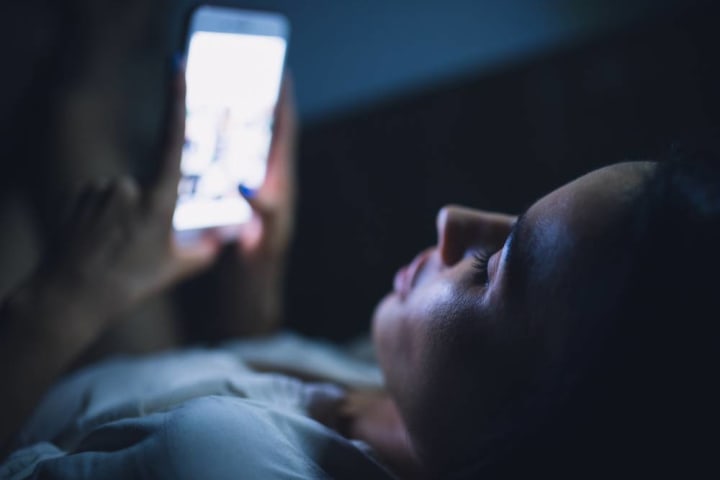
Studies have shown that using digital devices before bedtime can also affect the quality of our sleep. The blue light emitted by these devices can disrupt our circadian rhythm, making it harder for us to enter the deep, restorative stages of sleep that we need to feel refreshed and energized. As a result, we may wake up feeling tired, groggy, and irritable, which can affect our productivity, mood, and overall health.
Moreover, the use of technology in the bedroom can also disrupt our sleep patterns. Many of us use our smartphones or tablets as alarm clocks, and we keep them within reach, even when we go to bed. However, the constant beeping, buzzing, and ringing can disturb our sleep and prevent us from getting the rest we need. Additionally, the temptation to check our phones or respond to messages can also interrupt our sleep and prevent us from entering the deep stages of sleep that we need.
Apart from digital devices, other technologies can also affect our sleep patterns and overall health. For example, bright street lights, noise pollution, and air pollution can all affect our ability to fall asleep and stay asleep. Similarly, the use of air conditioning, heating, and electronic gadgets in the bedroom can also affect the temperature and humidity levels, which can affect our sleep quality.
The impact of technology on our sleep can also have long-term consequences on our health. Chronic sleep deprivation has been linked to a range of health problems, including obesity, diabetes, cardiovascular disease, and depression. Moreover, lack of sleep can also affect our cognitive function, memory, and concentration, making it harder for us to perform daily tasks and achieve our goals.
To mitigate the negative effects of technology on our sleep, there are several things we can do. First, we can establish a regular sleep routine by going to bed and waking up at the same time every day, even on weekends. This can help regulate our circadian rhythm and improve our sleep quality.
Second, we can create a sleep-friendly environment by keeping our bedrooms cool, dark, and quiet. We can also minimize the use of electronic devices in the bedroom and avoid using them before bedtime. Instead, we can engage in relaxing activities such as reading, listening to music, or taking a warm bath to help us unwind and prepare for sleep.
Third, we can use technology to improve our sleep by using sleep-tracking apps, smart mattresses, and other gadgets that monitor our sleep patterns and provide feedback on how to improve our sleep quality. Additionally, we can use blue light filters or amber-tinted glasses to reduce the impact of blue light on our sleep.
Another strategy to improve our sleep is to practice good sleep hygiene. This includes avoiding caffeine, alcohol, and nicotine before bedtime as well as avoiding heavy meals or intense exercise close to bedtime. Creating a relaxing bedtime routine, such as practicing yoga, meditating, or reading a book, can also help us wind down and prepare for sleep.
Finally, we can take steps to reduce our exposure to other technologies that can affect our sleep, such as noise pollution or air pollution. For example, we can use earplugs or noise-canceling headphones to reduce noise levels, and air purifiers or humidifiers to improve air quality.

In conclusion, while technology has undoubtedly made our lives easier and more convenient, we must be mindful of how it affects our sleep patterns and take steps to promote healthy sleep habits. The impact of technology on our sleep can have both short-term and long-term consequences on our health and well-being, so it's essential to strike a balance between our use of technology and our need for quality sleep. By establishing a regular sleep routine, creating a sleep-friendly environment, and using technology to improve our sleep, we can achieve better sleep and enjoy the many benefits that come with it. Ultimately, prioritizing our sleep is key to living our lives to the fullest while also taking care of our health and well-being.
About the Creator
Teo Jelačić
Hi, I'm Teo Jelačić, a seasoned writer passionate about crafting compelling content that engages and inspires readers. Join me on Vocal.media for thought-provoking articles on current events, entertainment, and personal development.
Keep reading
More stories from Teo Jelačić and writers in Motivation and other communities.
The science behind happiness
The pursuit of happiness is a universal desire. While happiness can be subjective and difficult to define, scientists have been studying the factors that contribute to happiness for decades. Recent research has shed new light on what makes us happy and how we can cultivate a happier life.
By Teo Jelačić3 years ago in Humans
Why We Compare Ourselves to Others
Have you ever scrolled through social media and suddenly felt like everyone else is doing better than you? Someone got a new job, someone started a business, someone is traveling, and another person seems to have the perfect life.
By Being Inquisitive4 days ago in Motivation
My First Time Skiing and I Got Lost, Alone, in the French Alps
Looking back, I can trace some of my life’s biggest adventures to a simple action from my sister. She’d introduced me to Tommy (a very long time ago), a colleague of hers, who had overshared his penchant for Italian-looking women, and I ticked that box.
By Chantal Christie Weissabout 13 hours ago in Humans




Comments
There are no comments for this story
Be the first to respond and start the conversation.