
The History of Tarot and Understanding How Tarot Card Reading Works
Tarot cards are a deck of 78 cards, typically used for divination, self-reflection, and gaining insights into various aspects of life.

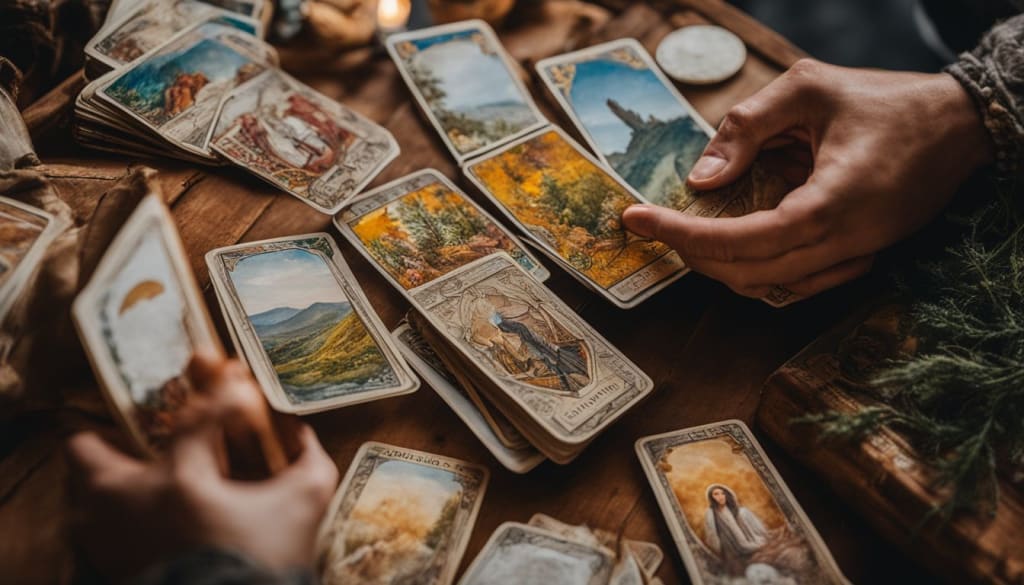
Tarot cards have long captured the curiosity of people worldwide. What started as a deck of cards used in European card games has transformed over centuries into a tool for self-discovery, insight, and spiritual guidance. From helping individuals navigate the complexities of life to offering a unique form of inner reflection, Tarot has grown in popularity across the globe. Today, its appeal spans generations, often appearing in modern spirituality, self-care routines, and mainstream media.
In this article, we’ll take you on a journey through the history of Tarot, explore how Tarot card readings work, and dive into why these cards remain relevant in today's culture. Whether you're new to or a seasoned reader, this guide will offer valuable insights into the mystical world of Tarot and how you can incorporate it into your practice.
The History of Tarot
The Origins of Tarot
The origins of tarot dates back to the late 15th century in Europe, when it was primarily used for playing card games. The deck was designed with elaborate imagery, often reflecting the cultural archetypes of the time. It wasn’t until the 18th century that Tarot began to be associated with divination. People started assigning deeper meanings to each card, transforming Tarot into the mystical tool we know today.
The Evolution of Tarot
As Tarot evolved, it became more than just a fortune-telling device. It grew into a profound method of self-reflection, helping individuals understand their inner struggles and find paths forward. A key moment in Tarot's history came in the late 19th century with the formation of the Order of the Golden Dawn, a London-based spiritual group. One of its members, Arthur Edward Waite, played a pivotal role in creating the most iconic Tarot deck: the Rider-Waite-Smith deck.
In collaboration with Pamela Colman Smith, Waite brought to life a deck of Tarot cards that would define modern Tarot practices. While Waite's name is often credited, Smith’s intricate artwork gave the deck its timeless visual appeal. Today, the Rider-Waite-Smith deck remains one of the most popular and widely used Tarot decks.
How Tarot Card Reading Works
Understanding the Tarot Deck
At the core of every Tarot reading is the Tarot deck itself, which is a collection of 78 cards divided into two main categories: the Major Arcana and the Minor Arcana. The Major Arcana represents life's larger spiritual and karmic lessons, while the Minor Arcana delves into the day-to-day details of our lives. Each card is rich with symbolism, and when interpreted together, they provide a comprehensive picture of the querent's (the person receiving the reading) situation.
Major Arcana: These 22 cards focus on significant life events or deep spiritual themes. Cards like The Fool, The Lovers, and The Hermit reflect different personal growth and challenge phases.
Minor Arcana: Comprising 56 cards, this deck portion mirrors everyday challenges and actions. The Minor Arcana is divided into four suits: Cups, Pentacles, Swords, and Wands, each representing a different aspect of life.
The Process of Tarot Reading
A Tarot reading involves selecting cards from the deck and laying them out in a specific pattern, known as a spread. Popular spreads, such as the Celtic Cross or Three-Card Spread, allow the reader to interpret the relationships between the cards based on their positions. Depending on where it falls and its orientation (upright or reversed), each card carries its unique significance.
During a reading, the Tarot reader acts as a guide, interpreting the cards' symbolism and how they relate to the querent’s question or situation. It's important to note that Tarot doesn't predict the future; instead, it offers valuable insights into the present moment, helping individuals reflect on their current challenges and choices.
Tarot in Today’s Culture
Tarot and Self-Reflection
Tarot is no longer confined to mystics or fortune-tellers. It plays a significant role in modern self-care practices as a mindfulness, journaling, and meditation tool. Many use Tarot cards to clarify personal decisions, relationships, or career paths. This way, Tarot becomes a pathway to self-reflection, allowing users to tap into their subconscious and uncover hidden truths about themselves.
Tarot’s Influence on Pop Culture
The rise of the Tarot is also evident in mainstream culture. From its appearance in popular TV shows and films to its integration into art and fashion, Tarot has become a symbol of mystery and spirituality. Celebrities and influencers also turn to Tarot for guidance and self-care, further cementing its relevance in today’s world.
Whether you’re seeking personal insights or simply curious about the symbolism, Tarot offers a unique way to engage with your inner self. Its timeless nature ensures that it remains a go-to tool for those looking to explore the depths of their mind and spirit.
The Different Types of Tarot Decks
Popular Tarot Decks
While the Rider-Waite-Smith deck remains the most widely used Tarot deck, it is by no means the only option. Tarot enthusiasts can choose from various decks, each with its own artistic style and interpretation of the cards. For instance, the Tarot de Marseilles is known for its historical significance, while the Thoth Tarot by Aleister Crowley brings a more esoteric and mystical approach.
Each deck brings its own flavor to the reading experience, allowing individuals to choose a deck that resonates with their personality or spiritual beliefs.
How to Prepare for a Tarot Reading
A successful Tarot reading requires a bit of preparation. Before a session, getting into the right mindset is essential to ensure a meaningful and insightful experience.
Journal Before the Reading: Take a few moments to jot down the questions or areas of your life you'd like to explore during the reading. This helps focus your intentions.
Clear Your Mind: Find a quiet space and meditate briefly. A clear, open mind will allow you to better engage with the reading.
Respect the Process: Tarot readings are collaborative, meaning they work best when the querent and the reader are on the same page. Share relevant details with your reader to ensure an accurate interpretation.
Learning Tarot Reading
The journey can be rewarding and enlightening if you’re intrigued by tarot cards and want to learn how to read tarot cards. Tarot reading is a skill that anyone can learn with dedication, practice, and an open mind.
Getting Started
Choose Your Deck: The first step to learning Tarot is selecting a deck that resonates with you. Many beginners start with the Rider-Waite-Smith deck due to its accessible imagery and established symbolism.
Understand the Meanings: Each card has its own meaning, but your interpretation will grow stronger with experience. Start by familiarizing yourself with the basic meanings, and then let your intuition guide you as you conduct readings.
Practice Regularly: Like any skill, Tarot reading requires practice. Start by doing daily draws for yourself, pulling a card each morning and reflecting on how its message applies to your day.
For a comprehensive guide to learning the meaning of each Tarot card, we recommend checking out this resource on Tarot card meanings. It offers detailed explanations of all 78 cards in the deck and is an excellent learning tool for beginners and experienced readers.
Conclusion
Tarot has endured through the ages, evolving from a simple deck of cards into a powerful tool for self-discovery and reflection. Its relevance in modern culture, both as a method for mindfulness and a symbol in pop culture, speaks to its timeless appeal. Whether seeking clarity in your life, curious about spiritual growth, or exploring new ways to reflect, Tarot can offer a pathway to inner wisdom.
About the Creator
Oliver Jones Jr.
Oliver Jones Jr. is a journalist with a keen interest in the dynamic worlds of technology, business, and entrepreneurship.
Keep reading
More stories from Oliver Jones Jr. and writers in Motivation and other communities.
From Surgery to Stardom: Adam Arroyo Launches Media Empire After Beating the Odds
While the sports media landscape is mainly dominated by billion-dollar leagues and legacy broadcasters, Adam Arroyo is quietly reshaping the game—one viral video at a time. With over 5 billion views across social media and 1 million subscribers on YouTube, Arroyo, a former Division 1 baseball catcher, is building a powerful media presence that rivals professional sports organizations.
By Oliver Jones Jr.7 months ago in Motivation
Looking back: 2025 was a beast
It's difficult to know how to start this. I've suggested that it's been a tough one from my title and in many ways, it has; however, there is an argument that it's not been that extraordinary at all, merely this wonderful thing we call "life" with all its climaxes and pitfalls.
By Rachel Deeming26 days ago in Motivation
The Vocal Tipping Benefit
An old post, but this is still true today One of the things about writing on Vocal, is that you can publish and then maybe people will read and even heart your story and that will make you feel that you have achieved something. If one person reads and appreciates something I write and publish then that’s a win for me. The fact that Vocal pays you for reads is a tiny bonus but worth it if you get a lot of reads.
By Mike Singleton 💜 Mikeydred 3 days ago in Motivation



Comments