
The Habits Poor People Ignore That Keep Them Broke
“Simple Daily Habits That Quietly Drain Your Wallet—and How to Take Back Control

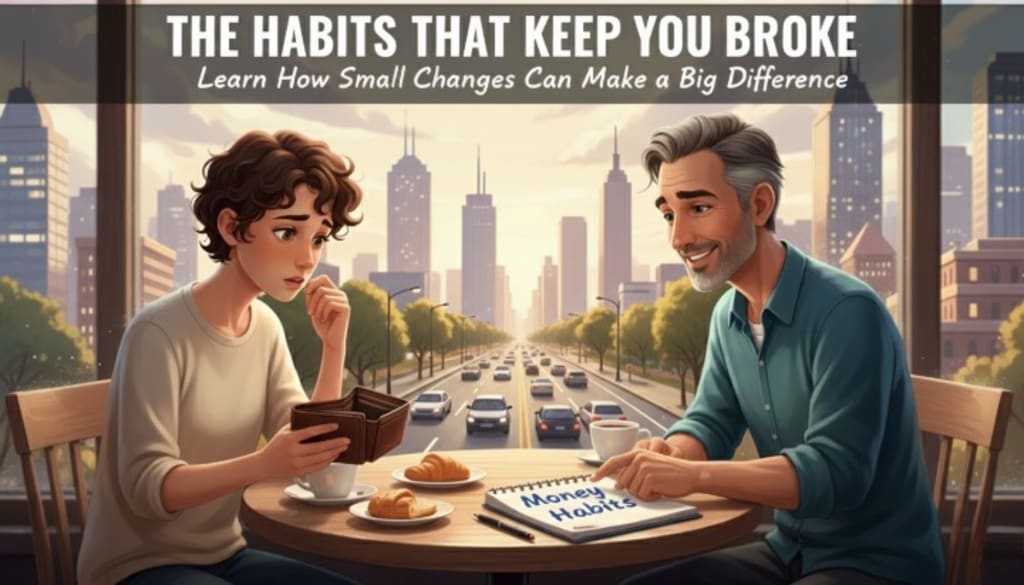
Alex worked a regular 9-to-5 job, lived carefully with money, and always made sure to spend less than they earned… yet every month, the bank balance told a different story. Despite the hard work and careful money planning, money seemed to disappear, leaving Alex upset and puzzled. Why do some people have money problems even when they do everything “right”? The truth is often hidden in daily routines most people ignore—small, everyday actions that quietly keep them stuck in a cycle of not having enough.
Alex knew they weren’t lazy. They worked extra hours, skipped expensive treats, and avoided buying things on a whim—but still, at the end of the month, there never seemed to be enough money left. One rainy afternoon, while drinking a warm cappuccino at a quiet little café, Alex met Jordan, an old friend who had built a stable (strong and steady) financial life from the beginning.
“Alex,” Jordan said, gently stirring their coffee, “it’s not about how much you earn—it’s about the daily habits you follow. Most people don’t notice that small, repeated choices quietly shape their money future.”
That talk hit Alex like a sudden surprise. For the first time, they understood that money isn’t just about making more—it’s about seeing, learning, and changing the daily habits that quietly control their money. And just like that, Alex’s path to understanding money—and making real changes—began.
Habit #1: Not Using a Budget
Alex’s apartment was very messy, with piles of receipts, unopened bills, and half-used shopping lists. Even with all this proof of spending, they never kept track of any money spent. Money came in, money went out—and every month, the result was the same: almost empty bank account and feeling upset. Alex wasn’t careless; they just didn’t know how much money was quietly disappearing.
Why budgets are important: Keeping track of your spending is the base for having money safely. Without knowing where every dollar goes, even careful earners can end up with no money. Budgets help you see patterns, find wasteful spending, and make smart choices instead of letting money disappear.
Habit #2: Living From One Paycheck to the Next
Every month, Alex’s job money would come into the bank—and just as quickly, it seemed to disappear. Rent, groceries, bills for electricity and water, subscriptions, and even small coffee trips ate up the paycheck almost immediately. By the time Alex checked the money left, there was very little left, leaving a constant feeling of worry and not knowing what will happen. Living this way felt like running on a treadmill—no matter how hard or fast you worked, you never seemed to get ahead.
Jordan leaned back, taking a sip of their cappuccino. “Alex,” they said, “you need an emergency savings. Save first, spend later. Even putting aside a small amount each month can create a money safety net that protects you from unexpected costs—and gives you peace and calm.”
Mini Checklist for Readers:
- Put 10–20% of your income in a savings account right away—treat it like a must-pay expense.
- Keep track of your spending carefully to find money leaks.
- Focus on what you need, not just what you want; wait before buying things you want right away.
Stop living paycheck to paycheck, and you stop being a slave to money. When money works for you instead of controlling you, even small paychecks can feel powerful.
Habit #3: Ignoring Learning About Money
Jordan pulled out a small pile of books from their bag, along with a list of favorite podcasts and online lessons. “Alex,” Jordan said, leaning forward, “most people never really learn how money works. They think working extra hours or cutting a few costs is enough—but understanding saving and investing, interest, and how money grows is much more important than just earning more.”
Alex understood how little they knew about money matters beyond simple budgeting. They had been trying to get ahead without thinking, not knowing the rules. Learning about money isn’t just a nice skill—it’s the base for building long-lasting money. The more you understand how money grows, adds up, and works for you, the better choices you can make. Even small steps, like reading a book, listening to a podcast, or taking a short online lesson, can completely change your money path over time.
Habit #4: Wanting Things Right Away
Alex had always liked the newest gadgets, designer clothes, and latest technology. The excitement of buying something shiny and new made them feel happy for a short time—but it didn’t last long. Within days, the happiness went away, replaced by money regret and the feeling that money was going away for nothing lasting. This cycle of quick fun and long worry had slowly used up Alex’s savings and peace of mind for years.
Jordan leaned back and shared a simple truth: “Alex, rich people think differently. They wait before buying. They focus on long-term benefits instead of short-term fun. Every dollar you use wisely, every temptation you say no to, is a step toward financial freedom.”
Action Step: Before buying anything you don’t really need, wait at least 24 hours. Ask yourself: Will this buy give lasting value or just short happiness? Will it help me grow my money—or just my worry? Doing this small pause often can change your spending habits and help you build a life of money safety instead of always feeling regret.
Habit #5: Not Investing Money
While friends and coworkers were putting money into stocks, houses, or small side businesses, Alex kept their savings “safe” under the mattress. It felt safe, like a shield against danger—but in reality, that money was just sitting there, slowly losing value because of inflation (prices going up). The feeling of safety came at a high cost: lost chances to grow money and reach financial freedom.
Jordan leaned in and said, “Alex, money should work for you, not the other way around. Even small investments, if done regularly, can grow a lot over time because of adding up (compounding). You don’t need to be an expert to start. Begin with easy options like index funds, mutual funds, or even a planned savings account. The key is to start—no matter how small.”
By taking that first step into investing, Alex realized that money could become a tool for freedom instead of a source of worry. Every dollar put to work was a step toward building a future where money problems didn’t control life.
The Turning Point: 30 Days of Change
Determined to change, Alex decided to follow Jordan’s advice carefully. They started keeping track of every single expense, no matter how small, and found out just how much money had been going unnoticed. They set up a small emergency fund, creating a money safety net that gave peace and calm. Alex read easy-to-understand books, listened to podcasts, and did online courses about investing, slowly building confidence and knowledge. And every time they wanted to buy something on impulse, they stopped, thought carefully, and made a smart choice.
By the end of 30 days, the results were clear:
- A small but slowly growing savings amount that made Alex feel safe.
- Better spending choices that reduced waste and stress.
- Confidence to start investing, knowing every small step mattered.
It wasn’t a sudden miracle or lucky chance—it was the quiet, powerful effect of small habits done consistently. In just one month, Alex had taken control of their money, showing that real change comes from simple daily actions, not big dramatic moves.

Conclusion: Break the Cycle
Alex leaned back in their chair, looking at the past month’s results with a feeling of pride. For the first time in years, money didn’t feel like a constant source of worry—it felt like a tool, a way to reach goals instead of a burden to handle. Jordan smiled and said, “Getting free from money problems isn’t about earning more—it’s about changing the habits you’ve been ignoring. Small, steady actions are more important than big, rare efforts.”
Your Turn: Start small. Keep track of your spending, save before you spend, learn about money, say no to impulse buying, and invest regularly. The habits you build today will shape the money freedom you enjoy tomorrow.
Extra Tip: Share your biggest money habit problem in the comments, send this story to a friend who might need it, or try just one of these tips today. Remember, small steps done regularly create lasting change—and your future self will thank you.
About the Creator
Bilal khan
Welcome to my corner on Vocal Media! I bring you inspiring journeys of great people, useful life hacks, and ideas to help you learn, grow, and stay motivated.
Keep reading
More stories from Bilal khan and writers in Motivation and other communities.
Things Rich People Do That Poor People Do Not Learn
1. A Café Moment That Changes Everything Imagine you are sitting in your favorite café, enjoying a warm cup of coffee and looking at your phone. At the table next to you, someone seems very organized. They are checking their money, sending important emails, and talking to people who can help them grow. Meanwhile, most people around are just trying to earn enough money to pay their bills. You might start wondering, “How do they do it? Why does money seem so easy for them?
By Bilal khan 2 months ago in Motivation
People Come and Go Out of Your Life for a Reason
Whether you realize it or not, everyone in your life is there for a reason. They come into your life, and they stay there until their purpose is fulfilled. Then they are moved out of your life. At first, you might think you did something to cause them to leave, but it is really a way of life. Not everyone who comes into your life is there to stay.
By Margaret Minnicks5 days ago in Motivation


Comments
There are no comments for this story
Be the first to respond and start the conversation.