
The Boy Who Rose From Dirt
From silent streets to standing ovations—a true story of pain, survival, and unstoppable transformation.
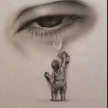

No one ever thought that the boy who used to sit on the sidewalk, drawing patterns in the dust with broken fingers, would one day turn that very dust into his legacy. That boy was Jacob Wharton, a name once whispered in pity, now spoken with pride.
His life began with loss. A mother who ended her own pain, a father who drowned in alcohol, and a childhood marked by hunger and silence. By the age of nine, Jacob had already learned what it meant to sleep on concrete and beg for bread. Each day was another chapter of survival. He wasn't a child anymore he was a shadow the world ignored.
People called him names: filthy, useless, a stain on the city’s face. And over time, he started to believe it. When society repeats a lie long enough, the heart starts to wear it like skin. Every insult stuck, every rejection became a bruise on the soul.
Nights were the hardest. Cold winds and empty stomachs. He would watch cars pass by, lights dancing like distant hopes, and wonder if anyone would ever stop. Not to throw change, but just to ask if he was okay. That moment never came.
Until one night, when a wrinkled hand rested on his shoulder as he stood on the edge of a bridge, ready to fall. An old woman with kind eyes simply said,
"If you're ready to die, first learn how to live. Then decide."
Those words weren’t poetry. They were oxygen. For the first time, someone saw something worth saving. And that spark, small as it was, refused to go out.
The next day, Jacob walked into a public library. Covered in filth, smelling of weeks on the street, yet determined. The receptionist hesitated, but a librarian named Ruth saw something else eyes full of storms and silence, but still alive.
Jacob returned every day. No mentors, no money, just borrowed books and raw hunger. He read everything. History, science, philosophy. He taught himself how to think, how to question, how to build. His body still starved, but his mind began to grow.
Years passed. He applied for a scholarship, writing an essay on "What It Means to Be Forgotten." He didn’t have an address, a school transcript, or a polished résumé. But he had pain, and he turned that pain into paragraphs so powerful they couldn’t be ignored.
He got in.
The university gave him a place to sleep and food to eat, but no one gave him peace. That, he had to earn. While others partied, he studied. While others rested, he worked. He wasn’t just learning he was rebuilding.
Then came the speech.
At a campus event focused on inequality, Jacob was asked to speak. The auditorium wasn’t expecting fireworks. But what they got was a storm. His voice carried wounds, and his words carried weight. He didn’t speak as a victim. He spoke as proof.
"The cost of being forgotten isn’t measured in dollars, it’s measured in dignity," he said.
That night, people stood in silence not because they had nothing to say, but because their hearts were full.
Today, Jacob runs an organization called "From Dirt to Dignity" offering education, food, and shelter to homeless children. The same sidewalk where he once slept now holds a mural of his face with the words:
“Your story isn’t over until you write the ending.”
The world never handed Jacob a second chance. He carved it out with broken fingers and an unbreakable will. His journey wasn’t miraculous. It was earned page by page, day by day, against everything and everyone.
Some stories are fiction.
Some are legend.
But this one?
This one is true.
Thank you very much for reading!❤️
About the Creator
Keep reading
More stories from Ashraf and writers in Motivation and other communities.
The Real Monsters Don’t Scream They Watch Silently
(A story about what true evil really looks like and what it doesn’t.) In a town nestled deep within the folds of silence, people spoke often about fear. They whispered it in classrooms, repeated it in cafés, and shouted it through glowing screens. Fear had changed its form it no longer looked like war or famine. It looked like someone with a different opinion. A stranger with a louder voice. A neighbor with the wrong bumper sticker.
By Ashraf 9 months ago in Motivation
The Quiet Mind Advantage: How Mindfulness and Performance Connect in Today’s Workplace
Mindfulness and performance have become major topics in the business world because leaders want new ways to help teams work better with less stress. Many people wonder if simple spiritual habits can lead to stronger results at work. The idea may seem unusual at first, yet many companies now explore this link with serious interest. They want to know whether calm minds lead to better decisions, higher productivity, and stronger teamwork. The growing attention suggests a real shift in how businesses view human potential.
By Evan Weiss St Louis4 days ago in Motivation


Comments
There are no comments for this story
Be the first to respond and start the conversation.