
The 10 Greatest Innovators of All Time
Visionaries Who Shaped the Modern World

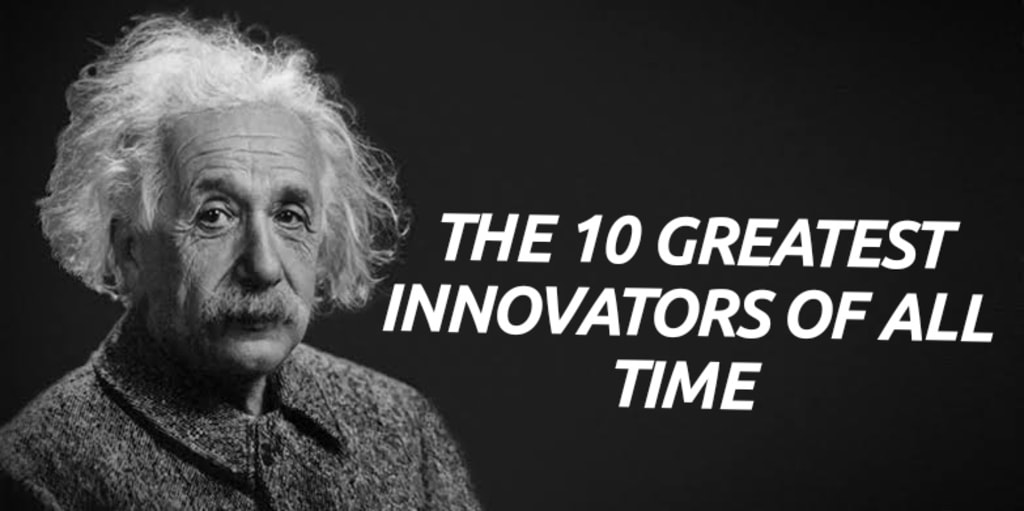
Innovation has always been the heartbeat of progress, propelling humanity forward with transformative ideas and inventions. Certain individuals, through their genius and determination, have redefined industries, improved lives, and changed the course of history. Here’s a look at ten of the greatest innovators of all time, whose contributions continue to resonate across centuries.
---
1. Leonardo da Vinci (1452–1519): The Renaissance Polymath
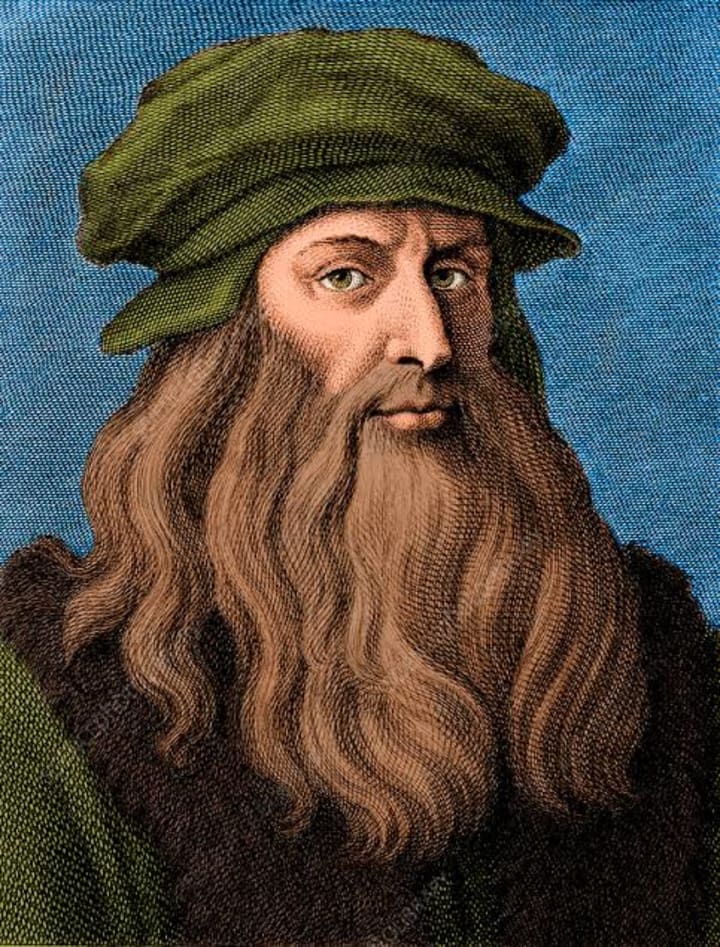
Leonardo da Vinci epitomized the concept of a “Renaissance man,” excelling as an artist, engineer, scientist, and inventor. His sketches of flying machines, armored vehicles, and anatomical studies were far ahead of his time, showcasing his visionary thinking. Though many of his designs were never built, they laid the groundwork for future innovation, earning him a place among history’s greatest thinkers.
---
2. Thomas Edison (1847–1931): The Wizard of Menlo Park
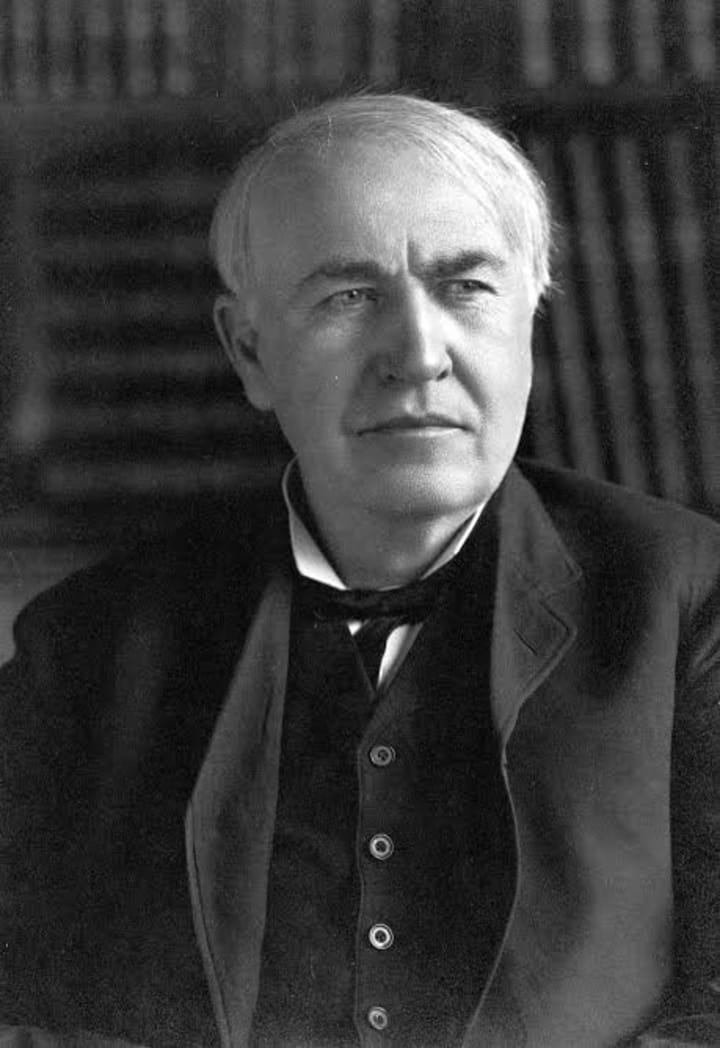
With over 1,000 patents to his name, Thomas Edison transformed the world with inventions such as the phonograph, the motion picture camera, and the practical electric light bulb. Edison’s work extended beyond individual inventions—he also pioneered large-scale electricity distribution systems, making electricity a staple of modern life. His relentless pursuit of improvement exemplifies the spirit of innovation.
---
3. Nikola Tesla (1856–1943): The Father of Modern Electricity
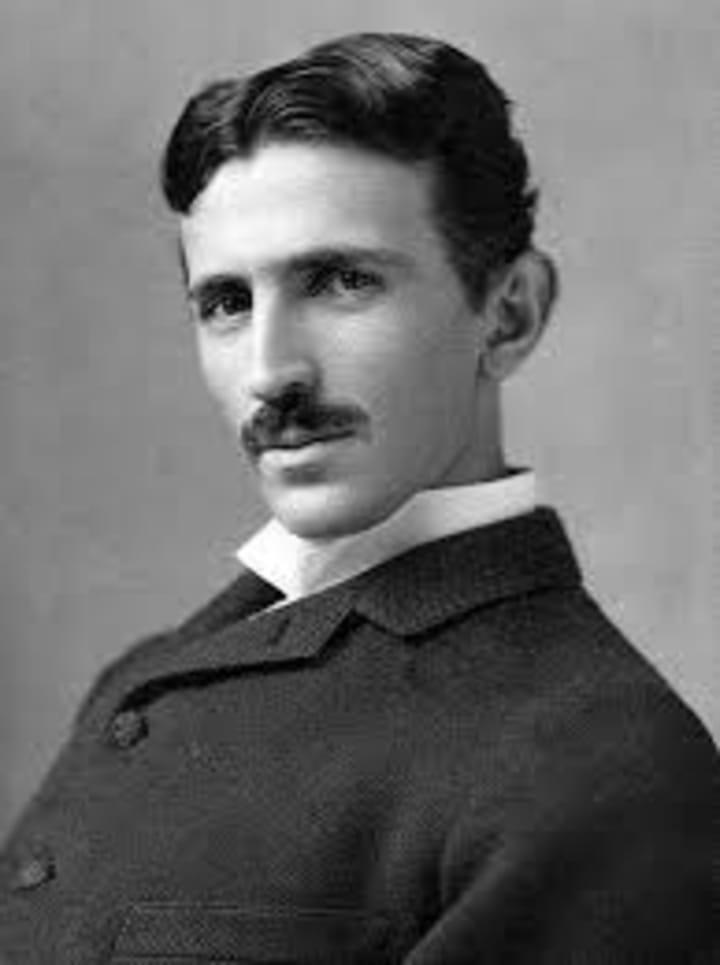
Nikola Tesla’s groundbreaking work in alternating current (AC) electricity and wireless communication changed the course of technology. While often overshadowed by contemporaries, Tesla’s innovations laid the foundation for modern electrical systems and wireless technologies. His visionary ideas, including wireless energy transmission, continue to inspire inventors and scientists today.
---
4. Marie Curie (1867–1934): Pioneer of Radioactivity
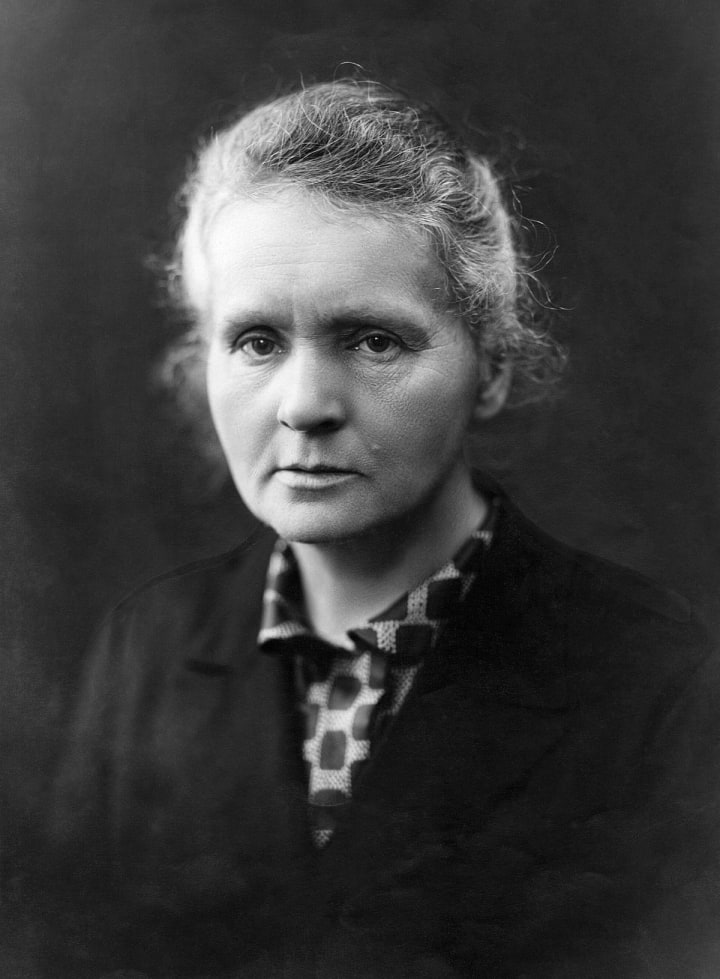
Marie Curie was the first woman to win a Nobel Prize and remains the only person to win Nobel Prizes in two different sciences (Physics and Chemistry). Her discovery of radioactive elements such as polonium and radium revolutionized medical treatments and opened the door to modern cancer therapies. Curie’s groundbreaking research laid the foundation for nuclear physics and medicine, transforming scientific understanding.
---
5. Albert Einstein (1879–1955): Revolutionizing Physics
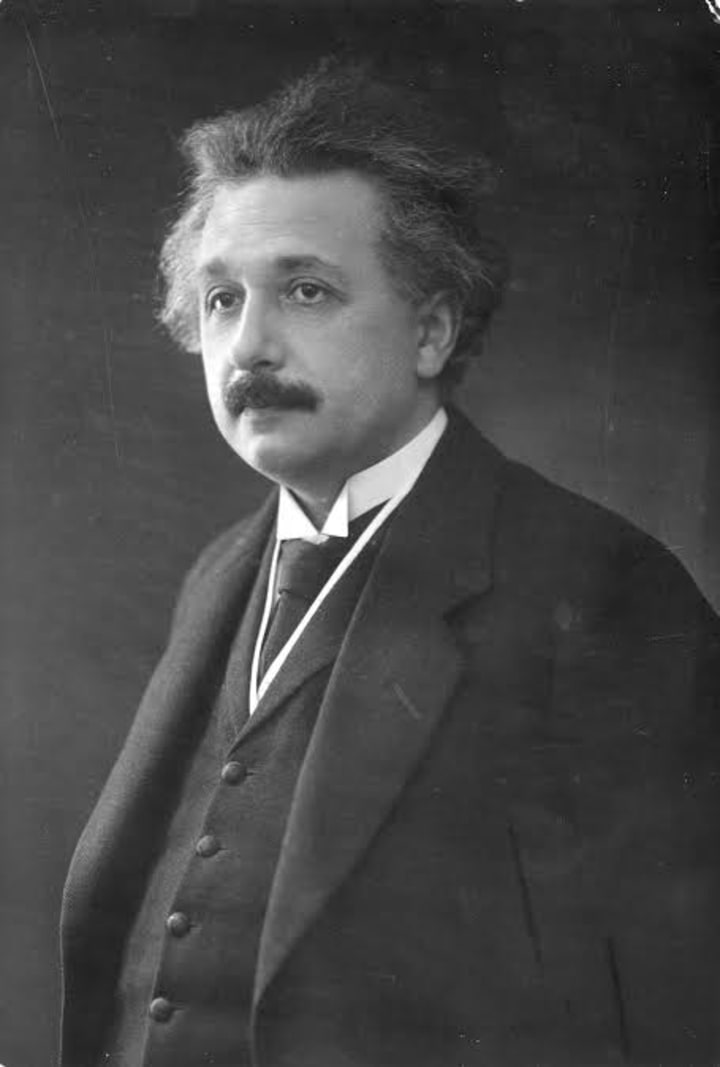
Albert Einstein’s theory of relativity reshaped the way we understand time, space, and gravity. His equation, E=mc², not only advanced theoretical physics but also led to practical applications like nuclear energy. Einstein’s contributions transcended science, influencing philosophy and our understanding of the universe. His genius continues to inspire curiosity and exploration.
---
6. The Wright Brothers (Orville and Wilbur Wright): Pioneers of Aviation
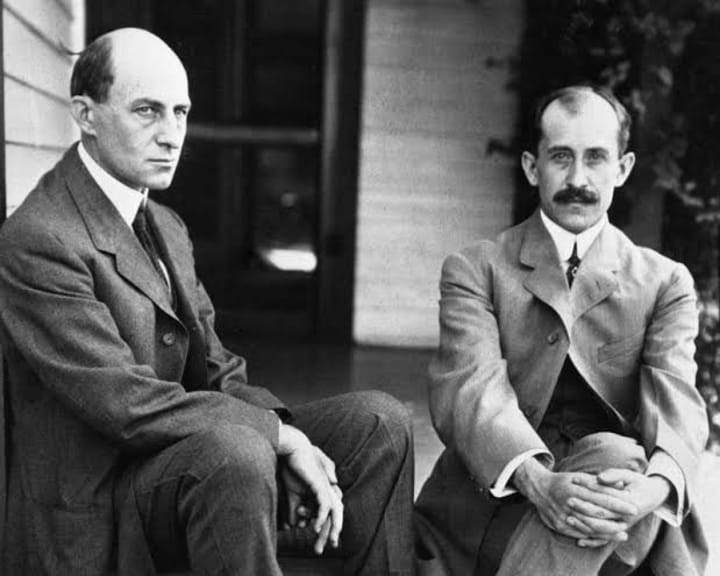
In 1903, the Wright brothers achieved the first sustained, controlled, and powered flight, changing transportation forever. Their invention of the airplane marked the dawn of a new era, making the world more connected and accessible. Their commitment to experimentation and problem-solving set a standard for innovation in aviation and beyond.
---
7. Henry Ford (1863–1947): Revolutionizing Manufacturing
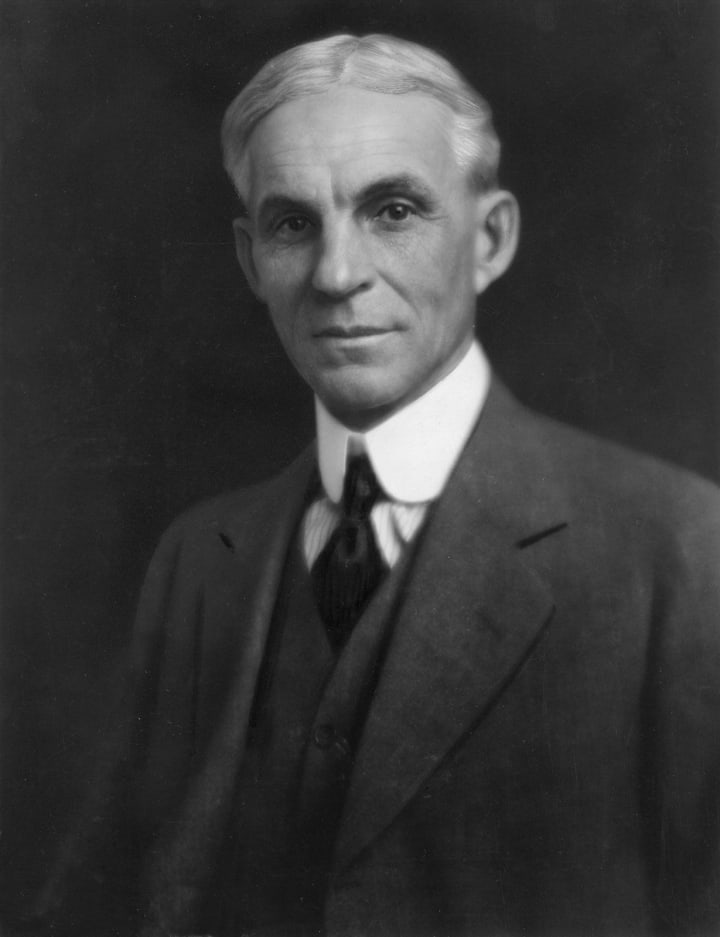
Henry Ford didn’t invent the automobile, but his introduction of the assembly line transformed manufacturing, making cars affordable for the average person. The Model T became a symbol of industrial efficiency and mobility. Ford’s innovative production techniques revolutionized industries worldwide, ushering in an era of mass production and consumer culture.
---
8. Alan Turing (1912–1954): The Father of Modern Computing
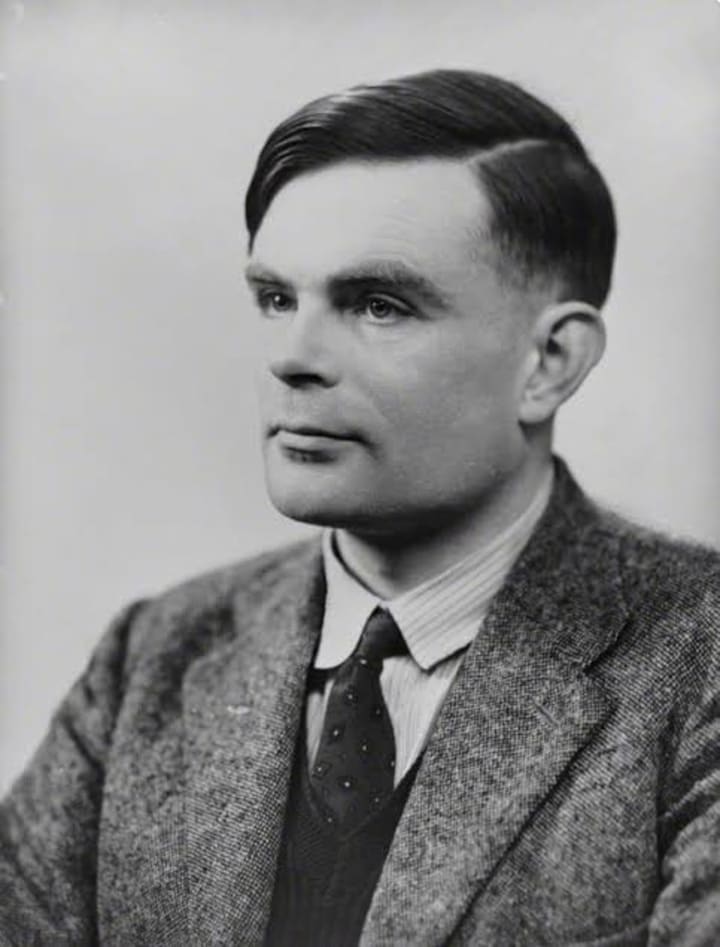
Alan Turing’s work during World War II, particularly his codebreaking efforts at Bletchley Park, helped save millions of lives and shortened the war. Beyond his wartime contributions, Turing laid the theoretical foundations for modern computing with his concept of the Turing Machine. His pioneering work continues to shape the fields of artificial intelligence and computer science.
---
9. Steve Jobs (1955–2011): The Visionary of the Digital Age
Steve Jobs revolutionized multiple industries, from personal computing with the Macintosh to mobile technology with the iPhone. His ability to blend technology with design transformed how people interact with devices. Under his leadership, Apple introduced groundbreaking products that reshaped communication, entertainment, and business. Jobs’ relentless focus on innovation and user experience redefined modern technology.
---
10. Elon Musk (1971–): Innovating the Future
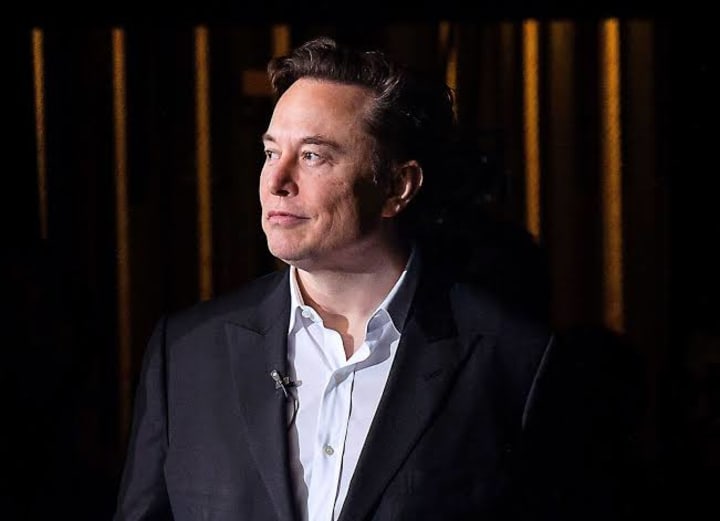
Elon Musk stands as one of the most influential innovators of the 21st century. Through companies like Tesla, SpaceX, and Neuralink, Musk has disrupted industries ranging from automotive to space exploration. His vision of sustainable energy, interplanetary travel, and brain-computer interfaces pushes the boundaries of what’s possible, inspiring a new generation of inventors.
---
The Legacy of Innovation
The legacies of these innovators remind us of the power of creativity, perseverance, and bold thinking. Each faced challenges and skepticism but persevered to leave an indelible mark on humanity. Their stories are a testament to the transformative power of innovation, inspiring future generations to dream big and strive for progress.
As we continue to tackle the challenges of our time, the lessons and contributions of these trailblazers serve as a guiding light, showing that with vision and determination, anything is possible.
Conclusion
Innovation is the cornerstone of human progress. From unlocking the mysteries of the universe to improving everyday life, these ten individuals exemplify the best of human ingenuity. Their contributions remind us that the pursuit of knowledge and creativity can change the world in unimaginable ways.
About the Creator
Keep reading
More stories from INFO INSIDER and writers in Motivation and other communities.
10 Evening Habits for a Successful Tomorrow
Success doesn’t start in the morning; it begins the night before. By cultivating productive evening habits, you can set the tone for a successful, stress-free day ahead. Whether it’s planning, self-reflection, or relaxation, these habits ensure you wake up ready to tackle your goals with energy and focus.
By INFO INSIDER about a year ago in Motivation
Rahul Shah PT: Advancing Patient Care Through Expertise and Innovation
In the evolving field of rehabilitation and physical therapy, professionals who combine advanced education, clinical expertise, and leadership play a vital role in shaping patient outcomes and the future of healthcare. Dr. Rahul C. Shah, PT, DPT, MBA stands among those dedicated professionals who have built a reputation through expertise, innovation, and commitment to evidence-based care. With nearly a decade of clinical experience and specialized certifications in orthopedic and sports physical therapy, Dr. Shah continues to make a meaningful impact in the healthcare community.
By Thetribunemedia7 days ago in Motivation
The Joy Of Sharing
Sharing Your Facebook Friend's Vocal Stories Yesterday I got a Facebook notification that my name had been mentioned, so I went to check up on it and was shocked in the most beautiful way by what was said about me as Lena Beana shared one of my stories. It was one of my fiction stories that you can read here:
By Mike Singleton 💜 Mikeydred 5 days ago in Motivation


Comments (1)
Good inventors! Great work👾 good job!