
Ten Ways to Help You Sleep Well at Night
Sleep is the only time when your body and mind can fix itself and regenerate. Here, however, it's crucial to remember that "restful" sleep is essential.

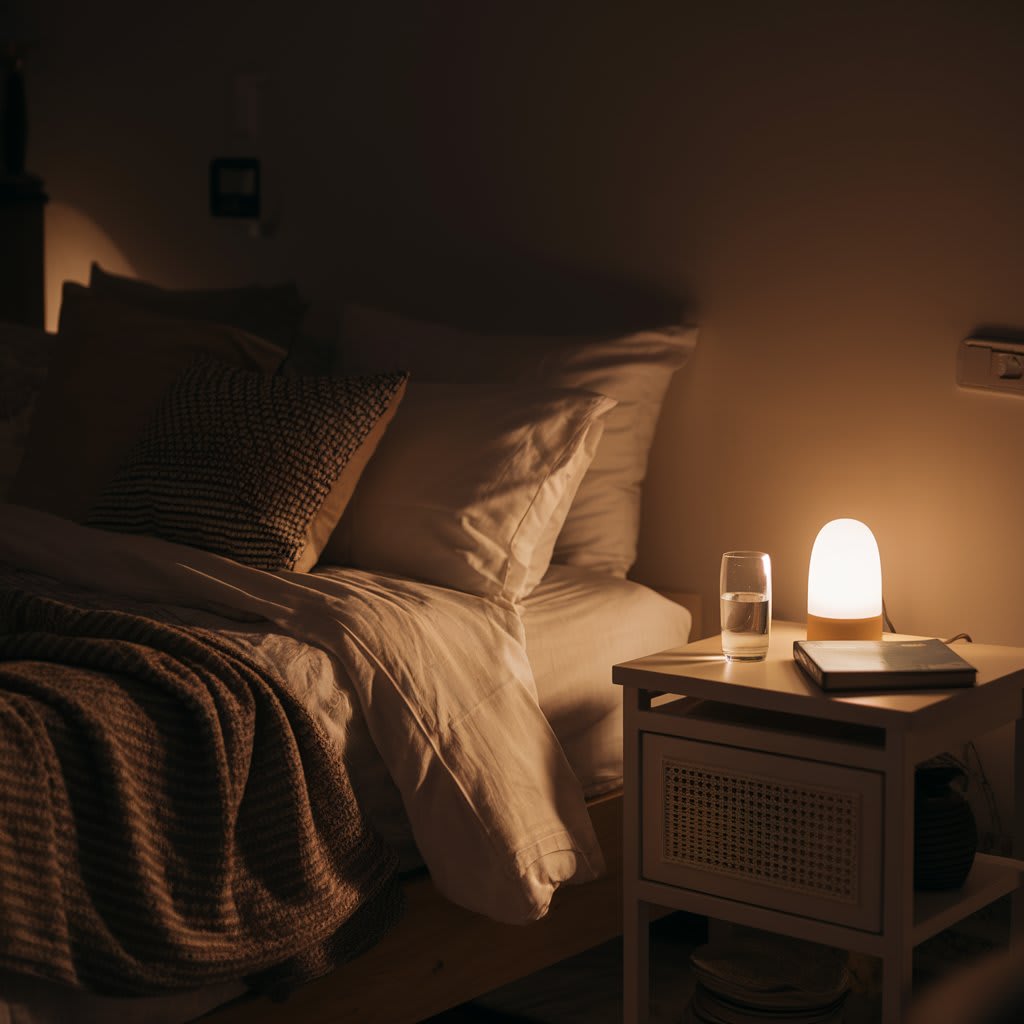
sleep, well-being, relaxation, and stress reduction
How was your sleep the night before?
When I woke up, I realized how much of an impact a good night's sleep has on your metabolism, so I wanted to share some tips with you on how to obtain a better night's sleep.
A good night's sleep, in my opinion, is one in which you wake up feeling rejuvenated and energized. When you get a good night's sleep, you seldom, if ever, think about your problems or the news, and you typically nod off within ten minutes of your head hitting the pillow (while thinking pleasant thoughts).
Additionally, whether or not you had "fun" or "positive" dreams is a crucial indicator of how well you slept the night before. Because you will definitely be tossing and turning during the night and not obtaining a "restful" sleep if your night is filled with "bad" or "stressful" nightmares.
Why is getting a good night's sleep every night so crucial? Stress during the day causes your body and mind to deteriorate and get exhausted.
Sleep is the only time when your body and mind can fix itself and regenerate. Here, however, it's crucial to remember that "restful" sleep is essential. Restful sleep is not defined as waking up every few hours or tossing and turning during the night. I just came into an article that detailed the facts regarding how snoring affects both your health and your ability to sleep. Snoring disrupts a person's sleep on average 300 times every night. That's hardly a good night's sleep! Take a minute to consider this: if you haven't been able to get a good night's sleep for the previous few weeks (or months), have been under stress recently, or have a bad mattress, you haven't given your body or brain the time it needs to heal.
As a result, you really begin each day a little less focused and with a less healthy metabolism than you did the day before.
Avoid attempting to make up lost sleep. People frequently tell me that they "catch up" on their sleep on the weekends, even when they are aware that they don't get enough during the week. Now allow me to dispel that misconception. That isn't effective! Regular sleep patterns are essential for the repair and rejuvenation of both your body and mind; without them, you're really degrading rather than reviving.
What, therefore, constitutes enough sleep?
In general, everyone should aim for eight hours of good sleep. You may be able to get by with just six hours of sleep each night if you have a really nutritious diet, exercise regularly, and take mental breaks during the day. You may also sleep like a baby and wake up feeling completely rejuvenated every day.
However, if you endure high levels of physical or emotional stress on a daily basis, you will require more than eight hours. For instance, someone who runs a marathon puts their body under a lot of stress every day; therefore, they require more than eight hours since their body requires more time to restore itself than usual. The same is true for someone who is under extreme mental stress.
What can you do, then, to assist yourself and others around you have a better night's sleep?
Ten Tips to Help You Sleep Well at Night:
1. Write down everything you need to accomplish the next day and leave the paper and pen by your nightstand in case you remember anything additional. By putting things in writing, you are signaling to your brain that those duties are no longer necessary.
2. Before going to bed, avoid watching TV or listening to the radio, especially the news, and most definitely avoid falling asleep with either device on.
3. Before going to bed, spend at least half an hour reading motivational or self-improvement books. In contrast to the stressful ideas that most people fall asleep thinking about, you want to fill your head with positive thoughts before you go to sleep so that the final thoughts you have before nodding off are positive thoughts.
4. As the body is designed to sleep in darkness, make sure the room you're sleeping in is as dark as possible. The darker the environment, the more likely it is that you'll fall asleep deeply.
5. Make the room as quiet as you can by turning off all electronics and asking everyone else to keep their voices down.
6. Avoid eating for at least three hours before bedtime. Undigested food in the stomach forces your body to concentrate on breaking down the meal instead of healing your body and mind, which is the main purpose of sleep! The body was made to break down food best when it was moving, not when it was lying down.
7. Aim to get into bed about 10:00 p.m. and get up at 6:00 a.m. According to Ayurvedic medicine, some activities are best suited for particular cycles. The body seems to be able to relax the most deeply, revitalize the most, and provide the individual with the greatest energy throughout the day when they go to bed around 10:00 pm and wake up at 6:00 am.
8. Unless your doctor specifically orders it, avoid using medications, vitamins, or plants that are meant to promote sleep. The purpose of'sleep' is to allow your body the time and resources to heal itself and get ready for the next day; most of these artificial sleeping aids only serve to dull your senses. Every system in your body, even the ones that are in charge of healing you, slows down when you use drugs to go to sleep.
9. Verify if the space has a source of fresh air. Indoor air is considered to be among the most harmful. You can only breathe in the air that surrounds you in your enclosed bedroom when you're asleep. Attempt to open a window (or just a crack if it's freezing outdoors). Because you will have access to cleaner, more oxygenated air as you sleep, the fresh air will aid in your body's self-healing.
10. Engage in light activity for 60 minutes during the day. Break it up into two to thirty-minute sessions, three to twenty-minute sessions, or six to ten-minute sessions if you don't have the time to do the entire sixty minutes at once. Walking is the finest kind of exercise when it comes to overall health and getting your body ready for a restful night's sleep.
I hope you have the most restful sleep possible today and every day.
About the Creator
Dr.Mia Charlotte Davis
Dr. Mia Charlotte Davis, Weight Loss and Healthy Living Specialist
"Your health is your most valuable asset, and I’m here to help you protect and enhance it, one step at a time." Dr. Mia Charlotte Davis
Keep reading
More stories from Dr.Mia Charlotte Davis and writers in Motivation and other communities.
"Rapid Weight Loss Techniques"
Other than physical appearance, weight influences a person in numerous ways. This might be the general quality of life, self-esteem, sadness, health hazards, and physical incapabilities. There are a number of good improvements after a person experience weight loss. It is for this reason why a lot of individuals are hunting for a weight reduction approach that can undoubtedly trim down those fats and achieve a super slim head-turner figure.
By Dr.Mia Charlotte Davisabout a year ago in Families
Influential Women LinkedIn: How the Platform Is Elevating Professional Women Worldwide
In today’s digital-first professional world, LinkedIn has become one of the most powerful platforms for thought leadership and professional networking. Among the communities gaining strong momentum on the platform is Influential Women LinkedIn, a growing space where executives, founders, entrepreneurs, and industry experts share leadership insights and professional experiences.
By influentialwomenmagazinea day ago in Motivation




Comments (1)
Great ways to sleep! Good to know! Great work!