
Techniques for Holistic Healing
Powerful act of self-healing.

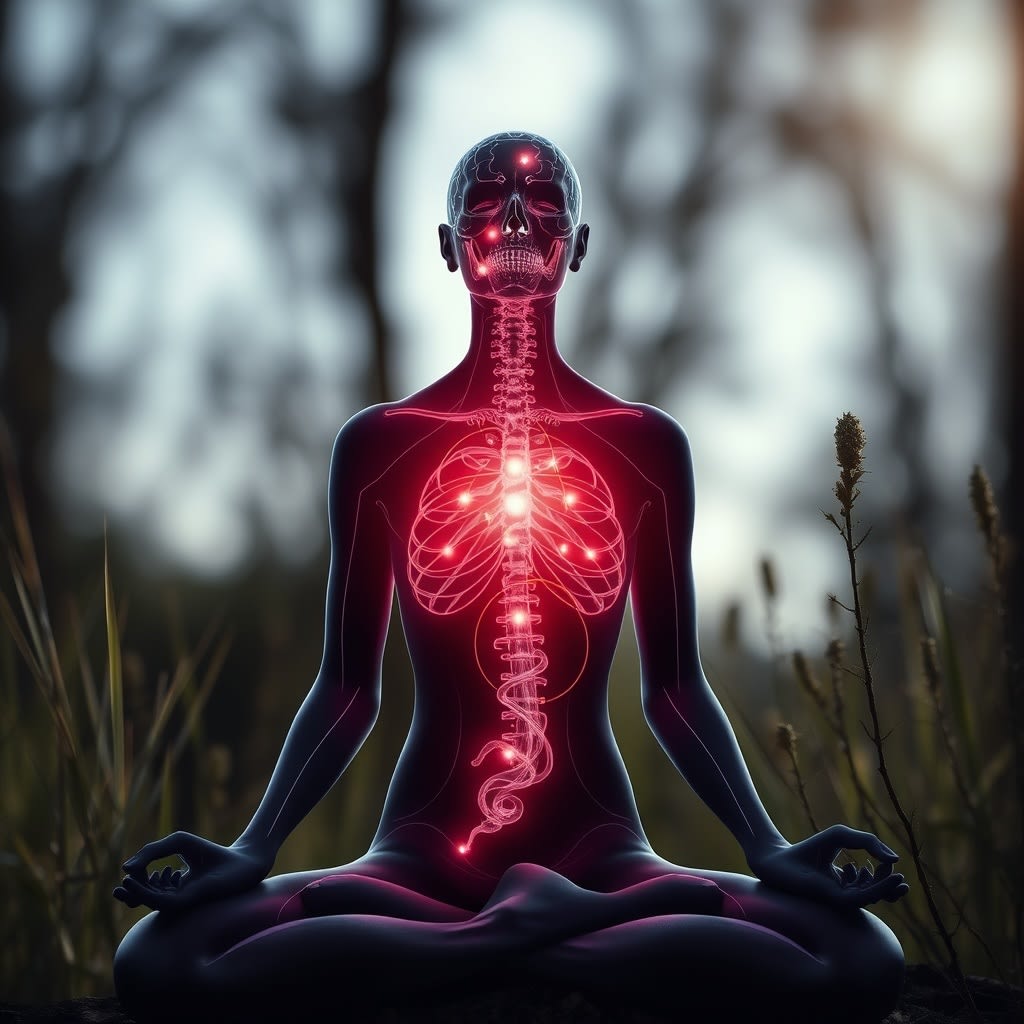
The journey toward holistic healing begins with acknowledging the profound interconnectedness of mind, body, and spirit. We've explored how our subconscious anxieties and unresolved emotions manifest as physical symptoms, a silent dialogue between our inner world and our outer experience. Now, let's equip ourselves with practical techniques to bridge this gap, fostering a harmonious relationship between these seemingly disparate aspects of our being. This involves consciously cultivating practices that promote mind-body integration, allowing us to listen to the whispers of our bodies and respond with compassion and understanding.
Mindfulness, at its core, is about cultivating present moment awareness. It’s about shifting our focus from the relentless chatter of our minds—the anxieties about the future, the regrets about the past—and anchoring ourselves in the here and now. This simple yet powerful practice allows us to observe our thoughts and feelings without judgment, recognizing them as fleeting experiences rather than absolute truths. When we cultivate mindfulness, we become more attuned to the subtle sensations in our bodies, noticing the tension in our shoulders, the tightness in our chest, or the subtle tremor in our hands. These physical sensations often reflect underlying emotional states, offering valuable insights into our subconscious processes. A simple mindfulness exercise could involve focusing on your breath, noticing the rise and fall of your chest or abdomen, feeling the air entering and leaving your nostrils. Allow yourself to simply observe, without trying to change anything. Notice the subtle sensations—the coolness of the air, the warmth of your skin, the gentle rhythm of your heartbeat. If your mind wanders, gently guide it back to your breath, without judgment. This act of gentle redirection, of returning to the present moment, is the essence of mindfulness. Practice this for even five minutes each day, and you will begin to notice a shift in your awareness, a greater connection to your body, and a reduced tendency to get swept away by your thoughts.
Meditation complements mindfulness by deepening our connection to our inner selves. Various meditation techniques exist, from focusing on the breath to guided visualizations to mantra repetition. The common thread is the cultivation of a quiet, receptive state of mind, allowing us to access deeper levels of awareness and connect with the wisdom of our bodies. Through meditation, we can gently unravel the knots of stress and tension that accumulate in our physical and emotional bodies. Guided imagery meditations, for instance, can be particularly effective in addressing specific psychosomatic issues. Imagine yourself in a peaceful, healing environment—a sun-drenched beach, a lush forest, or a tranquil mountaintop. Visualize yourself releasing your tension and anxiety into the earth, feeling a sense of calm and peace washing over you. Regular meditation practice can significantly reduce stress hormones, improve sleep quality, and enhance our overall sense of well-being, creating a more receptive environment for healing to occur. Remember, the goal isn’t to achieve a perfectly still, silent mind; the goal is to cultivate a space of non-judgmental awareness, observing the ebb and flow of thoughts and sensations without getting carried away by them.
Beyond mindfulness and meditation, other practices can effectively promote mind-body integration. Yoga, for example, combines physical postures, breathing techniques, and meditation to harmonize the mind and body. The stretching and strengthening aspects of yoga release physical tension, while the focus on breathwork calms the nervous system and promotes relaxation. Tai Chi Chuan, another gentle movement practice, fosters a sense of balance and coordination, promoting both physical and mental well-being. Qigong, focusing on cultivating and balancing the body's energy flow, addresses both physical and energetic blockages, promoting a deeper sense of vitality and connection to our inner selves. These practices are not mere physical exercises; they are pathways to deeper self-awareness and healing.
Another critical aspect of holistic healing involves nurturing our emotional well-being. Suppressed emotions, unresolved traumas, and limiting beliefs often contribute to psychosomatic illness. Journaling, for instance, offers a safe and effective way to process emotions, bringing unconscious feelings and experiences into conscious awareness. Writing down your thoughts and feelings, without the need for structure or perfection, can be incredibly cathartic. It allows you to explore your inner world, identify patterns of thinking and behavior, and gain a deeper understanding of yourself. Talking to a therapist or counselor can provide valuable support and guidance in navigating challenging emotions and resolving past traumas. Therapy provides a safe space to explore your inner landscape, gaining insight into the root causes of your physical and emotional suffering.
Furthermore, cultivating self-compassion is crucial for holistic healing. Treat yourself with the same kindness and understanding you would offer a close friend. Avoid harsh self-criticism and judgment, recognizing that everyone makes mistakes and experiences setbacks. Self-compassion involves acknowledging your suffering without getting swept away by it, accepting your imperfections, and recognizing your inherent worthiness of love and acceptance. This creates a fertile ground for healing, fostering a supportive internal environment where self-acceptance and self-love become guiding principles.
In addition to these practices, consider incorporating activities that bring you joy and a sense of fulfillment. This could involve spending time in nature, listening to music, engaging in creative pursuits, or connecting with loved ones. These activities nourish our spirit, promoting a sense of balance and well-being that supports the healing process. Remember, holistic healing is not a linear process; it's a journey of self-discovery and integration. There will be ups and downs, moments of clarity and moments of confusion. Be patient with yourself, celebrate your progress, and embrace the process.
The body is a wise teacher. It speaks to us through subtle sensations, discomfort, and physical ailments. Pay attention to these messages, not to judge or fear them, but to understand them. A persistent headache might not just be a headache; it could be signaling stress. Chronic fatigue might be your body's way of saying "rest." Unexplained pains can be a manifestation of deeper emotional unrest. Learning to listen to your body, to appreciate its wisdom, is a crucial element of holistic healing.
Finally, consider the power of forgiveness. Holding onto resentment, anger, and bitterness consumes significant emotional energy and impacts our physical well-being. Forgiveness, both of others and of ourselves, is a powerful act of self-healing. It doesn't mean condoning harmful behavior but rather releasing the grip of negativity, freeing up space for healing and growth. This journey is personal, unique to you, and deserves patience and kindness. Explore different modalities, find what resonates with you, and build your own tailored path to holistic healing. Remember, this journey is not about fixing something broken but about nurturing the innate capacity for healing and wholeness that already resides within you. It’s about honoring your mind and body, nurturing your spirit, and creating a life that is aligned with your true self. This is the path to becoming the healthiest, happiest, and most fulfilled version of yourself. Embrace the process, celebrate your progress, and remember that the power to heal lies within you.
About the Creator
Keep reading
More stories from rouji and writers in Motivation and other communities.
Nourishing Body and Mind for Transformation
The journey inward, towards the depths of our subconscious, is not a solitary confinement but a profound act of self-discovery, requiring nourishment on multiple levels. Just as a fertile garden needs sunlight, water, and rich soil to flourish, so too does our mind and body require attentive care to facilitate the transformative process of subconscious reprogramming. Neglecting this fundamental aspect undermines our efforts, hindering our ability to fully embrace the potential for positive change. Self-care, therefore, isn't a luxury but a vital component of this journey, a cornerstone upon which lasting transformation is built. It's the unwavering commitment to our overall well-being that allows us to cultivate the inner strength and resilience necessary to navigate the complexities of our inner landscape. This involves a holistic approach, nurturing not just our physical bodies but also our emotional, mental, and spiritual selves. This integrated approach creates a supportive ecosystem within which our subconscious can blossom, releasing its grip on limiting beliefs and outdated patterns.
By roujiExclusive • about a year ago
One Hard Thing
Stop me if you’ve heard this one before: You have the number, you know your schedule- you’ve even picked out the perfect day and time to make this appointment. Shoot, you’ve even picked out alternative days and times just in case their schedules can’t accommodate you!
By Taylor Rigsby5 days ago in Motivation



Comments
There are no comments for this story
Be the first to respond and start the conversation.