
Surviving the Loss of a Beloved Canine Companion: Coping with Grief
"Healing Your Heart: Navigating the Emotional Journey After Losing Your Four-Legged Best Friend"
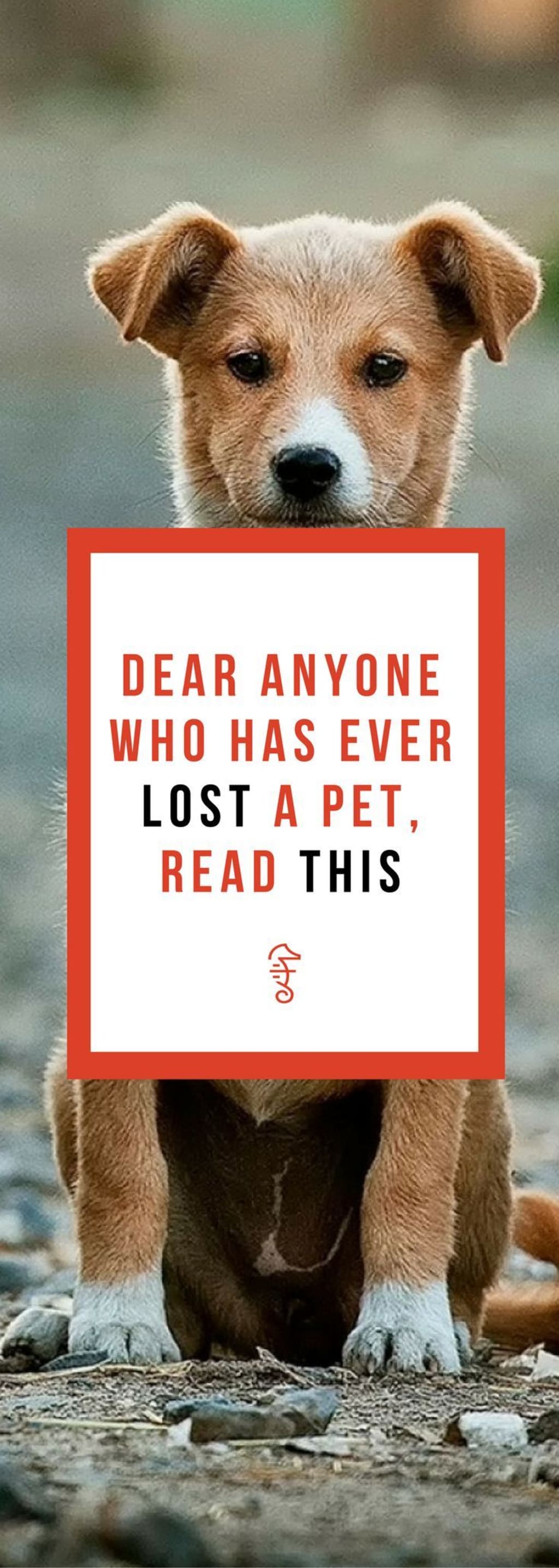
Dogs have a unique place in our hearts, and for many of us, they are more than just pets; they are members of our families. They bring us unconditional love and joy, and the bond between a person and their dog can last a lifetime. So, when the time comes to say goodbye to our beloved canine companion, the loss can be devastating. It is normal to feel a sense of grief and heartache, and the process of coping with the loss of a pet can be challenging.
For many people, the loss of a pet can feel like the loss of a family member. It is common to feel overwhelmed with emotions, from sadness to anger to guilt. Some people may feel like they have lost a part of themselves, and the grieving process can be especially difficult if the pet was a constant companion or if they passed away unexpectedly.
People have several options for dealing with the grief of losing a beloved pet. (“Pet Grief: How to Cope When Grieving Your Fur Baby”) (“Pet Grief: How to Cope When Grieving Your Fur Baby”) (“Pet Grief: How to Cope When Grieving Your Fur Baby”) Some find comfort in talking to friends and family members who have also experienced pet loss, while others prefer to turn to pet loss support groups or online communities. Many people find solace in writing about their experiences or keeping a journal, while others may choose to memorialize their pet by creating a special memory book or creating a special memorial in their honor.
Another way to cope with pet loss is to focus on the positive memories of your time together. This might involve looking through old photos, watching videos, or simply thinking back on all the happy moments that you shared with your pet. You can also honor your pet's memory by volunteering at a local animal shelter or taking part in pet-related events, such as dog walks or adoption fairs.
It is also important to take care of yourself during this tough time. This might involve seeking support from friends and family, practicing self-care activities like exercise, meditation, or hobbies, or seeking help from a mental health professional if needed.
The loss of a pet can be a painful and emotional experience, but it is also a reminder of the love and joy that they brought into our lives. With time and support, we can learn to cope with our grief and find peace knowing that our furry friends will always hold a special place in our hearts.
Acknowledge the pain: It's important to recognize that the loss of a pet can cause deep emotional pain and that it's normal to feel a range of emotions such as sadness, anger, guilt, and even depression.
Allow yourself to grieve: Don't try to suppress your feelings or ignore your grief. Allow yourself time to mourn and process your emotions.
Talk to someone: Consider talking to friends, family, or a counselor about your feelings. Talking to others who have experienced pet loss can also be helpful.
Create a memorial: Consider setting aside a special place in your home or yard to honor your pet's memory. You could also create a memorial item, such as a photo album or a special piece of art, to remember your pet.
Keep busy: Try to stay active and engage in activities that you enjoy. This can help distract you from your grief and keep your mind occupied.
Seek comfort in others: Spending time with friends and family can supply comfort and support during this difficult time.
Consider therapy or support groups: For some people, talking to a therapist or taking part in a support group can be beneficial in coping with pet loss.
Celebrate your pet's life: Reflect on the happy memories you shared with your pet and celebrate their life. Consider creating a memorial ceremony or making a donation in their honor to a pet-related organization.
Be patient: Grief is a process and it can take time to work through your emotions. Be patient with yourself and know that it's okay to still feel sadness or pain even after a period of time has passed.
Remember, everyone grieves differently, so what works for one person may not work for another. The most important thing is to find what helps you cope with the loss of your beloved pet.
In conclusion, the loss of a beloved canine companion can be a difficult and heart-wrenching experience, but there are ways to cope with the grief and honor their memory. Whether it is through talking to others, memorializing your pet, or simply focusing on the positive memories, there are steps that you can take to help heal your heart and move forward.
About the Creator
Keep reading
More stories from writers in Motivation and other communities.
One Hard Thing
Stop me if you’ve heard this one before: You have the number, you know your schedule- you’ve even picked out the perfect day and time to make this appointment. Shoot, you’ve even picked out alternative days and times just in case their schedules can’t accommodate you!
By Taylor Rigsby8 days ago in Motivation
Focus on Solutions, Not Problems
Everyone has problems. Some are loud, some are silent, and some slowly eat you from the inside. But what separates people who move forward from those who stay stuck is not the size of their problems—it’s where they place their focus.
By USA daily update a day ago in Motivation




Comments
There are no comments for this story
Be the first to respond and start the conversation.