
Summery The Art of War" by Sun Tzu
Ancient Chinese military treatise written by Sun Tzu,

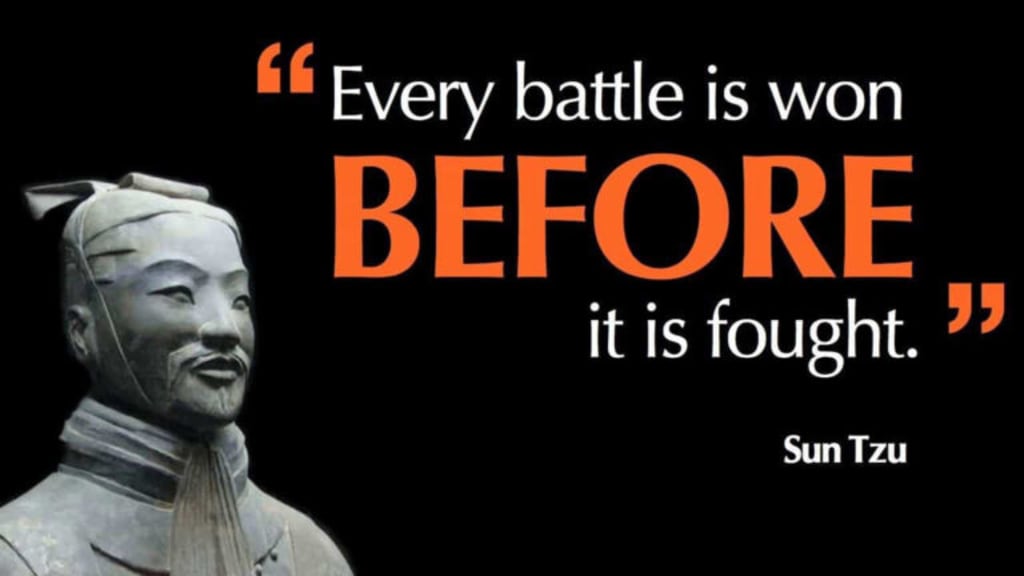
Summary of "The Art of War" by Sun Tzu (650 words)
The Art of War is an ancient Chinese military treatise written by Sun Tzu, a legendary general, strategist, and philosopher. Composed over 2,500 years ago, the book remains one of the most influential works on strategy, leadership, and warfare. Though originally meant for military commanders, its lessons are widely applied in business, politics, sports, and daily life.
1. Foundations of Strategy
Sun Tzu emphasizes that all warfare is based on deception. Victory depends on outsmarting the enemy, not necessarily overpowering them. He teaches that the best general wins without fighting — by breaking the enemy’s resistance through strategy, manipulation, and diplomacy. According to Sun Tzu, war should be the last option, pursued only when all peaceful means fail.
2. Planning and Preparation
Preparation is vital. Sun Tzu outlines five key factors for success: The Way (moral alignment of people and ruler), Heaven (weather and timing), Earth (terrain and distance), The Commander (leadership qualities), and Method and Discipline (organization and logistics). A well-prepared leader considers all these before entering battle.
He advises leaders to assess themselves and the enemy carefully. Knowing both will ensure victory; knowing only one can lead to defeat. Accurate calculations and a clear understanding of strengths and weaknesses are essential.
3. Waging War Wisely
Sun Tzu warns that prolonged warfare drains resources and morale. Quick, decisive victories are best. He highlights the importance of managing supplies, avoiding unnecessary conflict, and using captured resources instead of depleting one’s own.
4. Positioning and Advantage
The book teaches the importance of positioning in warfare. Victory comes not from brute force but from taking advantageous positions. This involves understanding the terrain, controlling key locations, and exploiting the enemy’s weaknesses while defending one's own.
He explains the concept of shih — the energy or momentum of a situation — and how skilled leaders use it to gain dominance with minimal effort.
5. Flexibility and Adaptability
A recurring theme is adaptability. There is no fixed method for victory. The general must be flexible like water — able to change direction and shape based on the battlefield. Just as water flows to the lowest point, a wise general avoids enemy strengths and attacks where they are weak.
Sun Tzu criticizes rigid strategies and praises innovation. Being unpredictable confuses the enemy and creates opportunities.
6. Deception and Psychological Warfare
Deception is central to Sun Tzu’s strategy. Misleading the enemy — about one’s strength, intentions, and location — creates confusion and opens paths to victory. “Appear weak when you are strong, and strong when you are weak,” he says.
He also explores the power of fear, morale, and manipulation in warfare. A confident, united army defeats a divided, confused one.
7. Leadership and Command
Sun Tzu describes the ideal leader as wise, courageous, disciplined, humane, and strict. A leader must inspire loyalty and obedience, make hard decisions, and act decisively. Overreaction, recklessness, or fear can lead to ruin.
He emphasizes the importance of rewarding good conduct, punishing disobedience, and maintaining order in the ranks. Discipline ensures the army operates as one force.
8. Spies and Intelligence
The final chapter focuses on espionage. Information is the lifeblood of warfare. Knowing the enemy’s plans, movements, and mindset allows a general to strike effectively. Sun Tzu outlines five types of spies and urges leaders to value intelligence above all else.
Conclusion
The Art of War is more than a military manual — it’s a timeless guide to strategic thinking. Its core principle is that war should be won with intelligence, not brute force. By mastering deception, preparation, adaptability, and leadership, one can secure victory while minimizing conflict and loss.
Even today, Sun Tzu's ideas influence modern warfare, business strategy, leadership, and negotiations. His wisdom teaches that the greatest victories are those achieved with the least struggle.
About the Creator
Keep reading
More stories from Khan Shah and writers in Motivation and other communities.
A Heart for Service: How Jeffrey Spina is Helping Neighbors in Need
When people talk about building stronger communities, they often point to organizations, government programs, or big charities. But what truly makes the difference, time and time again, are individuals who step forward with a genuine desire to help others. One such individual is Jeffrey Spina, a dedicated member of the Salvation Army, who has been making a lasting impact through his tireless service and commitment to social good.
By Jeffrey Spina7 days ago in Motivation
How to Remove Dark Circles Naturally at Home
Dark circles under the eyes are a common concern for many people. They can make you look tired, stressed, and older than you actually are. While expensive treatments and cosmetic products promise quick results, many natural remedies can help reduce dark circles safely from the comfort of your home.
By Stories Today3 days ago in Motivation
A Transparent Look at Vocal Challenges and Top Stories
Almost three years ago, we shared a resource article that served as a place for people to suggest new challenge prompts. We thought it would be a good idea to refresh that thread, and take the opportunity to answer a few common questions about top stories, how challenges are judged and how submissions are reviewed.
By Vocal Curation Team4 days ago in Resources




Comments
There are no comments for this story
Be the first to respond and start the conversation.