
Proven Weight Loss Tips: Your Guide to Success
Weight Loss Tips

It was a brisk autumn morning when Sarah decided to take control of her health. After years of yo-yo dieting and failed attempts, she knew it was time for a real change. As she laced up her sneakers and headed out for her morning walk, a sense of determination filled her heart.
Sarah had tried countless weight loss programs, but she always found herself right back where she started. This time, however, she was determined to make it work. She had done her research and was ready to put the proven strategies to the test. With a positive mindset and a willingness to embrace a healthier lifestyle, Sarah embarked on her weight loss journey, eager to finally achieve the results she had been longing for.

The road to sustainable weight loss is not always easy, but with the right approach, it can be a transformative experience. In this comprehensive guide, we'll explore the proven tips and strategies that can help you unlock your full potential and achieve your health and fitness goals. Whether you're looking to lose a few pounds or embark on a more significant weight loss journey, this article will equip you with the knowledge and tools you need to succeed.
Key Takeaways
Aim for gradual, sustainable weight loss of 1–2 pounds per week
Losing just 5% of your current weight can have significant health benefits
Embrace a balanced diet with plenty of fruits, vegetables, and fiber
Regular physical activity, including both aerobic and strength training, is crucial
Lifestyle changes and a positive mindset are essential for long-term success
Understanding the Weight Loss Journey
Starting a weight loss journey is complex. It involves understanding genetics, hormones, and calorie management. This journey to better body composition needs a detailed plan.
Common Challenges and Misconceptions
Fad diets and unrealistic goals can stop progress. They lead to frustration and make it hard to keep going. It's important to know how genetics, metabolism, and emotions affect weight. This knowledge helps set realistic goals and create lasting plans.
Setting Realistic Expectations
Having realistic goals is key to success. Losing 1–2 pounds a week is a healthy pace. Setting SMART goals helps track progress and keeps motivation high.
The Science Behind Weight Management
Weight management is all about energy balance. This means the calories you eat versus the calories you burn. Genetics, hormones, and metabolism play big roles in weight loss. Knowing these science facts helps create a plan that works for you.
"The journey of a thousand miles begins with a single step." - Lao Tzu
By tackling the weight loss journey with science and understanding, you can change your life. This path leads to better body composition and health.
Creating a Sustainable Calorie Deficit
Starting a calorie deficit is key to losing weight in a healthy way. You need to eat fewer calories than your body uses. Aim for a 500–750 calorie deficit each day. This can help you lose 1–2 pounds a week.
Eat more fruits, veggies, and lean proteins to cut calories. Don't cut calories too much, as it can harm your metabolism and muscle. Make changes you can keep up with for a long time.
Calorie needs change based on your sex, age, and how active you are. Knowing your calorie needs helps you lose weight safely and effectively.
Adding exercise to your routine can boost your weight loss. The CDC suggests 150 minutes of moderate activity and two strength training sessions a week for weight control.
For lasting weight loss, focus on a balanced diet and regular exercise. With time and effort, you can reach your weight loss goals and keep them for good.
"Sustainable weight loss is not about quick fixes, but rather a lifelong commitment to healthy habits."
The Power of Mindful Eating Habits
Mindful eating can change how we manage our weight. It means paying full attention to each bite. We focus on the taste, smell, and feelings it brings up. This way, we can better understand our relationship with food and improve our health.
Portion Control Strategies
Mindful eating helps us control our portions better. By eating slowly, we listen to our body's hunger signals. This helps us not eat too much. Using smaller plates or measuring food can also help us eat mindfully.
Mindful Eating Techniques
Mindful eating uses various techniques to connect us with our food. We eat without distractions, enjoy the meal's look and smell, and chew slowly. Even though it's not just for losing weight, it often leads to weight loss, as studies show.
Emotional Eating Solutions
Mindful eating helps us understand why we eat emotionally. By knowing our emotional triggers, we can find better ways to cope. This awareness helps us make better food choices, supporting our weight goals.
"Mindful eating is not just about the food - it's about being fully present and attentive during the entire eating experience."
Embracing mindful eating can lead to a healthier food relationship. It's recommended for diabetes education, showing its value beyond weight loss. Mindful eating focuses on our physical and emotional feelings during meals. It's different from eating without paying attention, often due to distractions.
Essential Nutrition for Weight Loss
Starting a weight loss journey means eating a balanced diet. Choose whole, unprocessed foods for their vitamins, minerals, and fiber. The Mediterranean diet is great for heart health and can lower diabetes and cancer risks. The Nordic diet, rich in fatty fish and berries, helps prevent stroke and aids in weight loss.
Adding intermittent fasting to your routine can also help. It can lower blood sugar and improve metabolism. The ketogenic diet, with its low carbs and high fats, is good for quick weight loss and blood sugar control.
Use the Harvard Healthy Eating Plate as a meal guide. It suggests half your plate for whole grains and proteins, and the rest for veggies and fruits. This ensures you get all the nutrients you need for weight loss.
For a diet plan that fits you, talk to a registered dietitian. They can make a diet that's fun, effective, and meets your needs. The Mayo Clinic Diet helps you lose 6 to 10 pounds in two weeks, then 1 to 2 pounds a week after. It encourages eating lots of veggies and fruits and offers meal ideas like overnight oats and Tuscan white bean soup.
Success in weight loss comes from making lasting changes. Focus on whole foods and healthy habits for better health and weight loss.
The Role of Protein in Fat Burning
Protein is key for losing weight and burning fat. It boosts your metabolism and helps you feel full. This can lead to eating fewer calories. Protein also burns more calories than carbs or fats, helping you lose weight.
Best Protein Sources
Choose high-quality protein sources for better fat burning. Lean meats, fish, eggs, dairy, and plant-based options like legumes and tofu are great. Adding whey protein powder can help meet your protein needs.
Optimal Protein Timing
Eat protein at every meal and snack. This keeps your body supplied with amino acids and helps burn fat all day.
Protein Requirements for Weight Loss
For weight loss, aim for 30% of your daily calories to be protein. High-protein diets can help you lose weight and keep it off.
Getting the right amount of protein from various sources can change your weight loss game. It supports fat burning and helps keep muscle mass.
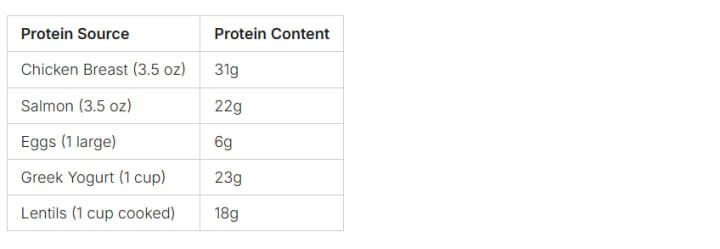
"Protein is an essential macronutrient for weight loss, as it helps preserve muscle mass, boost metabolism, and increase feelings of fullness."
Smart Carbohydrate Choices
Choosing the right carbs is key to a healthy weight. Go for healthy carbs and complex carbohydrates for lasting energy and nutrients.
Include whole grains, fruits, veggies, and legumes in your meals. These smart carbs give you energy slowly and keep you full.
Vegetables (both starchy and non-starchy) are excellent sources of smart carbs.
Fruits, such as berries, apples, and bananas, also offer complex carbohydrates along with fiber and other beneficial compounds.
Beans, lentils, and other legumes are rich in healthy carbs, protein, and fiber.
Whole grains like quinoa, brown rice, and whole wheat bread provide sustained energy and essential nutrients.
Some dairy products, such as plain yogurt, can be considered smart carb choices when they don't contain added sugar.
Refined carbs like white bread and sugary drinks are not good. They can raise blood sugar too fast and lead to energy crashes.
Switch to smart carbs for better health. Choose plain oatmeal with fruit instead of sugary cereal. Pick whole fruit over juice and enjoy popcorn with herbs instead of chips.
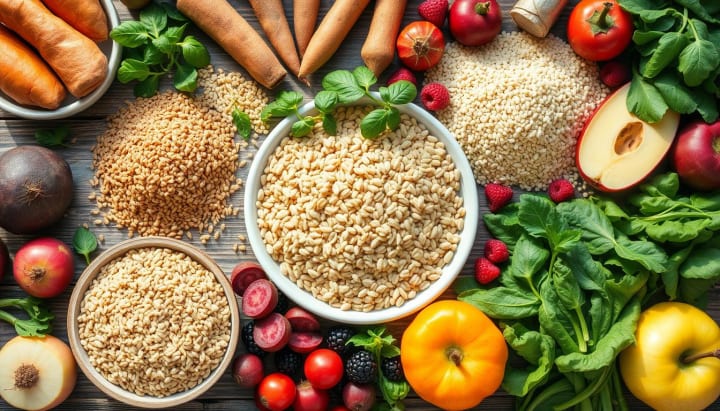
Aim for 45–65% of your calories to come from carbs. Adjust based on your needs and activity level. Smart carbs give you energy, fiber, and nutrients for weight loss.
"Choosing healthy carbs and complex carbohydrates can be a game-changer for your weight management efforts, providing long-lasting energy and keeping you feeling satisfied between meals." - Nutrition Expert
A balanced diet with smart carbs, lean proteins, healthy fats, and fruits and veggies helps with weight loss. Try different smart carbs to see what works for you.
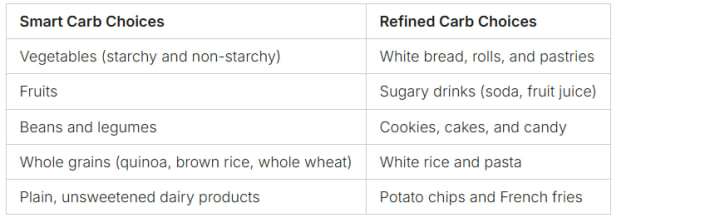
By choosing smart carbs, you fuel your body for weight loss. Try different options to find what works best for you.
Research shows the benefits of healthy carbs and complex carbohydrates. For example, whole grains can help you feel full and reduce hunger. Oats can lower blood pressure and heart disease risk due to their fiber content. Farro, an ancient wheat, is high in fiber and protein, making it a nutritious choice.
Adding a variety of smart carbs and complex carbohydrates to your diet supports weight loss. You'll enjoy sustained energy, improved satiety, and health benefits.
Healthy Fats and Weight Management
When you're trying to lose weight, the fats you eat matter a lot. Healthy fats, or essential fatty acids, are key for managing your weight. They give you important nutrients and help with hormone balance, nutrient absorption, and feeling full.
Benefits of Essential Fatty Acids
Essential fatty acids, like omega-3s and omega-6s, are great for weight management. Fat has 9 calories per gram, while protein and carbs have 4 calories each (USDA's Food and Nutrition Information Center). Eating a Mediterranean diet, rich in healthy fats, can lower your risk of being overweight or obese by almost 10% (Nutrition & Diabetes, 2019). People who follow this diet are also twice as likely to keep their weight off compared to those who don't (The British Journal of Nutrition, 2020).
Choosing the Right Fat Sources
It's crucial to pick the right fats for your diet. Adults should aim for 20% to 35% of their calories from fats, with less than 10% from saturated fats (Dietary Guidelines for Americans). Saturated fats can increase heart disease risk, but unsaturated fats can lower LDL cholesterol and heart disease risk.
Some top sources of healthy fats include:
Olive oil
Avocados
Nuts and seeds
Fatty fish like salmon, mackerel, and sardines
Yogurt
Adding these healthy fats to your diet can help with weight loss and improve your overall health.
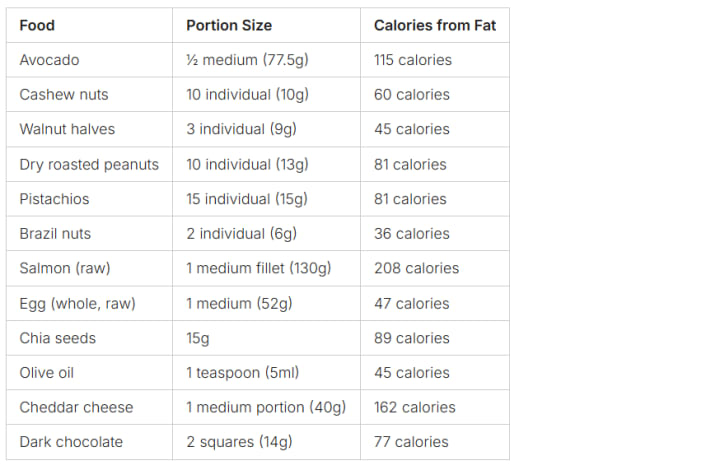
Focus on unsaturated fats and limit saturated and trans fats for better weight management and health.
"Incorporating healthy fats into your diet can support your weight loss efforts and promote overall well-being."
Weight Loss Through Exercise
Regular physical activity is key for losing weight and staying healthy. Adults should do at least 150 minutes of moderate-intensity aerobic activity or 75 minutes of vigorous-intensity aerobic activity each week. It's also important to do strength training exercises for all major muscle groups at least two times a week.
The amount of physical activity needed for weight loss varies from person to person. While exercise helps with weight loss, it's also important to watch your calorie intake and output. For effective weight loss, you might need to exercise for up to 60 minutes a day.
Moderate-intensity activities like brisk walking, light yard work, and casual biking burn about 438 calories per hour for someone weighing 160 pounds. Vigorous activities, such as jogging, swimming laps, and most competitive sports, can burn up to 606 calories per hour for the same weight. It's important to find enjoyable physical activities to make exercise a part of your lifestyle.
"To lose weight and maintain it, a high level of physical activity is necessary unless dietary changes are also implemented to reduce calorie intake."
In summary, combining regular aerobic and strength training exercises with a calorie-conscious diet is the best way to lose weight and keep it off. Start slowly and gradually increase the intensity and duration of your workouts to reach your goals.

Metabolism Boosting Strategies
Keeping your metabolism healthy is key for lasting weight control. While your genes affect how well your body uses energy, there are natural ways to boost it.
Natural Ways to Increase Metabolism
Regular exercise, especially strength training, builds muscle and boosts metabolism. Aim for 150 minutes of aerobic and resistance training each week for weight control. Standing or stepping at work can also lower health risks and improve body fat.
Drinking enough water and getting enough sleep are also vital. Not enough sleep can raise cortisol levels, making it harder to lose weight by storing fat.
Foods That Support Metabolic Health
Some foods naturally boost your metabolism. Protein-rich foods like lean meats, eggs, and legumes take more energy to digest than carbs and fats. Eating peppers, like chili peppers, can also increase calorie burn.
Drinking green tea and coffee can also help, especially for those who are less active. High-intensity interval training (HIIT) has a big impact on metabolism compared to other exercises.
By adding these metabolism-boosting strategies to your life, you can help with weight loss and improve your metabolic health.
The Importance of Sleep and Recovery
Getting quality sleep is key to managing weight. Over a third of Americans don't get enough sleep. This can mess with hormones that control hunger, making us crave more food.
People who don't sleep well choose snacks with more fat than those who do. A review of 18 studies showed sleep deprivation increases cravings for unhealthy foods. This can hurt weight loss efforts, as sleep-deprived dieters lose less fat, even eating the same calories.
Good sleep helps keep your metabolism healthy. Just 4 days of bad sleep can make it harder for your body to use insulin, dropping sensitivity by over 30%. Without proper insulin use, your body stores more fat.
It's also important to rest well between workouts. This helps your muscles recover and prevents burnout. Balancing exercise, nutrition, and rest is key to successful weight loss.
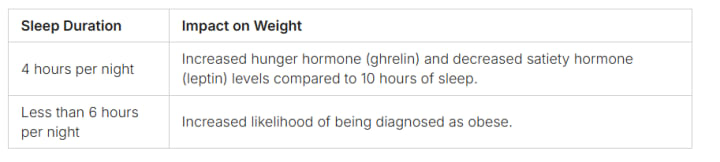
To get the sleep you need for weight loss and health, aim for 7–9 hours each night. Keep a regular sleep schedule, have a calming bedtime routine, and make your sleep space comfortable.

"Lack of sleep is one of the most overlooked factors in weight management. It's a critical component that can derail even the best-laid plans."
Hydration's Role in Weight Management
Drinking enough water is key to managing your weight. Water makes up about 60% of our bodies. It helps with many body functions that aid in losing and keeping weight off.
Water Intake Guidelines
Experts say we should drink at least 64 ounces (8 cups) of water a day. This amount can change based on how active you are and where you live. Drinking water before meals can make you feel fuller, which means you might eat fewer calories.
Switching from sugary drinks to water can cut down on calories by up to 250 per day.
Hydration Timing Strategies
Drinking water at the right times can help with weight management. Drinking two cups of water before eating can cut calorie intake by 22%. Also, drinking water all day by carrying a bottle and setting reminders can help keep your metabolism healthy.
Drinking enough water can help with weight loss in many ways. It can boost your metabolism, reduce hunger, and improve how well you exercise. Adding these water tips to your weight loss plan can help you succeed in the long run.
Research has shown that water is important for weight management, even in humans. Studies found that drinking water instead of sugary drinks can help people lose more weight and have better body shape. Also, staying hydrated can improve your brain function and physical ability, which are good for a healthy, active life.
"Drinking water is often overlooked, but it is essential for weight management and overall health. Staying hydrated can make a significant difference in your weight loss journey."
By focusing on hydration and using water strategies every day, you can achieve long-term weight management success.
Building Healthy Habits for Long-term Success
Creating healthy habits is key for lasting long-term weight loss. Instead of quick fixes, aim for gradual changes that become easy over time. Make your home a healthy space by filling it with whole foods and getting rid of junk.
Plan your meals and snacks ahead to make smart choices all day. This helps you stay on track.
Find ways to handle stress and emotions that don't involve food. Celebrate small wins like more energy, better sleep, and a happier mood. This keeps you motivated.
Ask for help from loved ones or health experts when you need it. Setting realistic goals and tracking your progress helps you stay on course. Don't be too hard on yourself when you slip up.
By taking a holistic approach to healthy habits and long-term weight loss, you can reach your goals and keep a healthy lifestyle. Remember, small, steady steps can lead to big, lasting changes in your health.
---
FAQ
What are the key strategies for sustainable weight loss?
To lose weight sustainably, start by setting realistic goals. Find what motivates you and enjoy healthy foods. Staying active is also key.
Creating a calorie deficit is important. Eat mindfully and exercise regularly. Remember, losing weight takes time and a positive attitude.
What are some common challenges and misconceptions around weight loss?
Many people face unrealistic expectations and fad diets. Aim for losing 1–2 pounds a week. This is more achievable and sustainable.
Understanding how your body works is crucial. Hormones, metabolism, and genetics all play a role. This knowledge helps you succeed in the long run.
How does a sustainable calorie deficit support weight loss?
A sustainable calorie deficit is essential for losing weight. Eat fewer calories than you burn. Aim for a 500–750 calorie deficit daily.
Eat nutrient-dense foods like fruits, veggies, and lean proteins. Avoid cutting calories too much, as it can harm your metabolism and muscle.
What are the benefits of mindful eating for weight loss?
Mindful eating helps you understand your eating habits. Use smaller plates and measure your food. Eat slowly and without distractions.
Find healthy ways to deal with stress or boredom. Keeping a food diary can help you identify patterns and triggers.
What are the key components of a balanced diet for weight loss?
A balanced diet is vital for losing weight. Focus on whole foods like fruits, veggies, lean proteins, and whole grains. Limit processed foods and added sugars.
Make sure you get enough fiber (25–30g daily) for fullness and digestive health. Getting personalized nutrition advice from a dietitian can be helpful.
How does protein support weight loss?
Protein is key for weight loss. It boosts your metabolism, helps keep muscle, and makes you feel full. Aim for 0.8–1g of protein per pound of body weight.
Include lean meats, fish, eggs, dairy, and plant-based options like legumes and tofu in your diet. Spread out your protein intake throughout the day.
What role do carbohydrates play in a weight loss diet?
Choose complex carbs over simple sugars. Focus on whole grains, fruits, veggies, and legumes. These provide energy, fiber, and nutrients.
Limit refined carbs like white bread and sugary drinks. Aim for 45–65% of your calories to come from carbs, adjusting based on your activity level.
How do healthy fats support weight management?
Healthy fats are important for weight management. They support hormone production, nutrient absorption, and fullness. Include sources like olive oil, avocados, nuts, seeds, and fatty fish in your diet.
Limit saturated and trans fats. Aim for 20–35% of your calories to come from fat, focusing on unsaturated sources.
What are the benefits of regular exercise for weight loss?
Regular exercise is crucial for weight loss and health. Aim for 150 minutes of moderate-intensity aerobic activity or 75 minutes of vigorous-intensity activity weekly.
Include strength training exercises at least twice a week to build muscle and boost metabolism. Find activities you enjoy to make exercise sustainable. Start slowly and gradually increase intensity and duration.
How can you boost metabolism naturally?
Boost your metabolism naturally through regular exercise, especially strength training. Increase your protein intake and stay hydrated. Get enough sleep.
Eat metabolism-supporting foods like green tea, chili peppers, and lean proteins. Avoid crash diets that can slow your metabolism. Consider high-intensity interval training (HIIT) for its metabolic benefits.
Why is sleep important for weight management?
Adequate sleep is crucial for weight management. Aim for 7–9 hours of quality sleep nightly. Poor sleep can disrupt hunger and appetite hormones.
Prioritize sleep hygiene by maintaining a consistent schedule, creating a relaxing bedtime routine, and optimizing your sleep environment. Allow for proper recovery between workouts to prevent burnout and support muscle repair.
How does proper hydration support weight loss?
Proper hydration boosts metabolism, reduces appetite, and supports exercise performance. Aim for at least 64 ounces (8 cups) of water daily, adjusting for activity level and climate.
Drink water before meals to promote fullness. Choose water over sugary beverages. Use strategies like carrying a water bottle and setting reminders to ensure adequate intake throughout the day.
What are some tips for building healthy habits for long-term weight loss success?
Sustainable weight loss requires developing healthy habits. Focus on gradual lifestyle changes rather than quick fixes. Create a supportive environment by stocking nutritious foods and removing temptations.
Plan meals and snacks in advance. Find ways to manage stress that don't involve food. Celebrate non-scale victories and focus on overall health improvements. Seek support from friends, family, or professionals when neede
About the Creator
Keep reading
More stories from writers in Motivation and other communities.
One Hard Thing
Stop me if you’ve heard this one before: You have the number, you know your schedule- you’ve even picked out the perfect day and time to make this appointment. Shoot, you’ve even picked out alternative days and times just in case their schedules can’t accommodate you!
By Taylor Rigsby9 days ago in Motivation
Dead and Wearing Green
She was wearing that green dress when I first saw her, five years ago to the day. Flowing meadow fabric draped over long legs, thick auburn hair flowing down her back. That smile. Of course, she is still beautiful now. But now she is no longer alive.
By Karen Cave6 days ago in Fiction




Comments
There are no comments for this story
Be the first to respond and start the conversation.