
"Pornography and Society: Understanding its Impact, Ethics, and Future"
"Psychological and Social Effects: How Pornography Shapes Minds and Relationships"

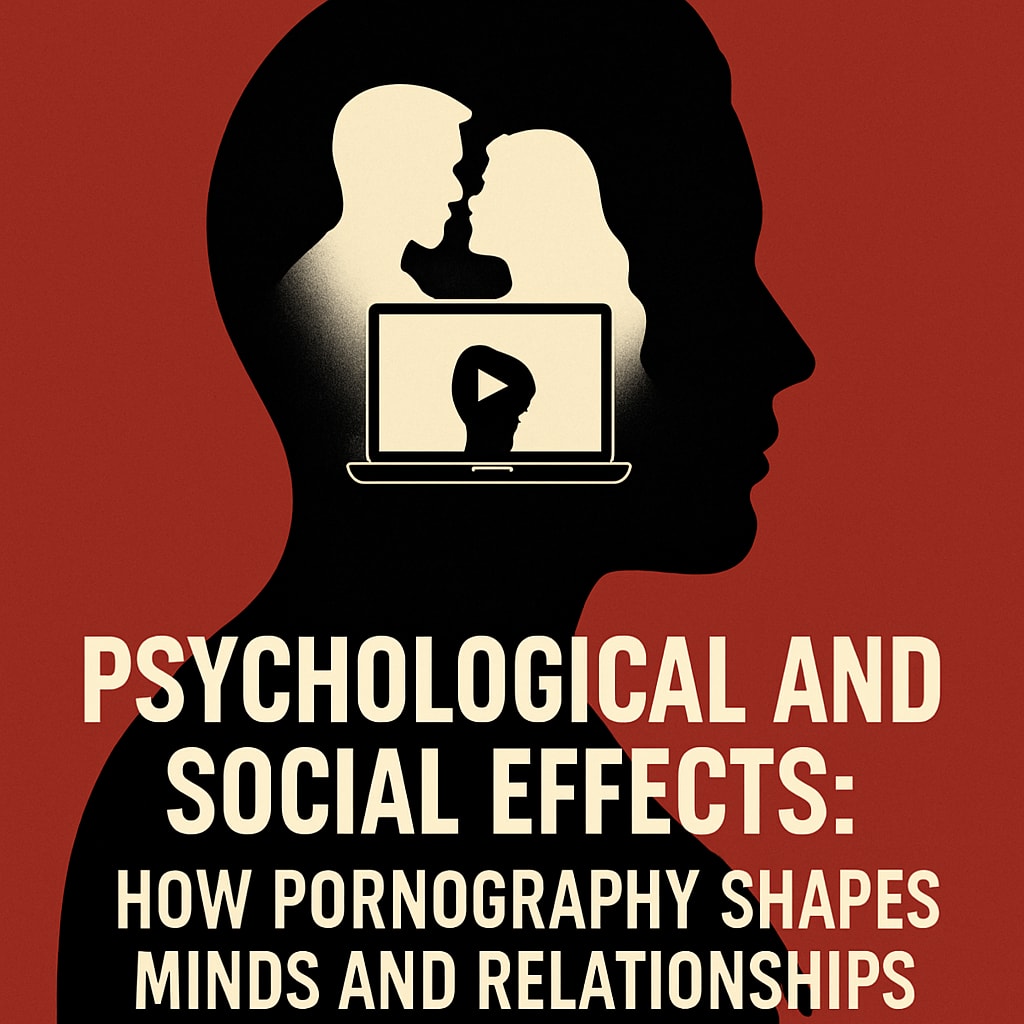
Psychological and Social Effects: How Pornography Shapes Minds and Relationships
In the modern era, pornography has become an omnipresent part of the digital landscape, deeply intertwined with the fabric of daily life. It is no longer just confined to seedy corners of the internet but is easily accessible, often just a click away. For many, pornography is an expression of personal freedom and sexual exploration, but its pervasive nature also raises concerns about its psychological and social consequences. As the consumption of adult content continues to rise, researchers, psychologists, and sociologists are increasingly examining its profound impact on individuals and relationships. While some argue that pornography is harmless or even beneficial for certain aspects of sexual education and expression, others caution about its potential to distort perceptions of intimacy, influence sexual behavior, and contribute to unrealistic expectations in relationships.
The psychological effects of pornography consumption are complex and multifaceted. On one hand, some studies suggest that it can serve as a harmless outlet for sexual desires or even a tool for learning about sexuality, especially when access to comprehensive sexual education is limited. In this context, pornography can offer individuals a means of exploring their sexual identity and desires in private. However, the problem arises when consumption becomes excessive or when it shapes an individual's sexual framework in unhealthy ways. Research has shown that frequent pornography consumption can lead to the desensitization of sexual stimuli, meaning individuals may become accustomed to more extreme or unrealistic content to achieve the same level of arousal. Over time, this could contribute to a diminished capacity for real-life sexual enjoyment, as partners may not be able to match the intense, often exaggerated scenarios depicted in pornographic media.
In addition to desensitization, the potential for addiction is a concern. While not everyone who consumes pornography becomes addicted, there is evidence to suggest that some individuals may develop compulsive viewing habits. This can lead to significant distress and interfere with daily life. Similar to other behavioral addictions, pornography addiction can create a cycle of secrecy, shame, and withdrawal from real-world interactions, making it harder for individuals to form and maintain healthy relationships. People struggling with porn addiction often experience feelings of guilt and embarrassment, further exacerbating the psychological toll. They may also find it increasingly difficult to experience intimacy or arousal in the absence of pornographic content, which can create a vicious cycle of dependency.
One of the most concerning psychological effects is the potential for distorted views on sexuality and relationships. Pornography often portrays an unrealistic and idealized version of sexual encounters, focusing heavily on physical pleasure while minimizing or ignoring emotional connection, communication, and mutual respect. In many cases, the content also reinforces harmful gender stereotypes and unrealistic expectations about body image, performance, and sexual behavior. For instance, women in pornography are frequently objectified, depicted as submissive or passive, while men are often shown as dominant and physically perfect. These portrayals can skew perceptions of gender roles and sexuality, especially for individuals who are not exposed to diverse or healthy representations of relationships. When these unrealistic ideals are internalized, they can lead to dissatisfaction with real-life sexual experiences and distorted expectations about what is normal or desirable in a partner.
The social effects of pornography consumption extend beyond the individual level and into broader societal implications. Pornography, by its nature, is often detached from the complexities of human connection, reducing sexual encounters to a mere exchange of physical pleasure. This detachment can lead to a devaluation of intimacy in real-world relationships, where emotional and physical connection are equally important. Research suggests that couples who consume pornography together may experience a decline in relationship satisfaction, as one or both partners may develop unrealistic sexual expectations. These expectations can create pressure to perform in certain ways, leading to dissatisfaction and, in some cases, relationship breakdowns.
Moreover, pornography can contribute to a culture of objectification, where individuals are seen not as whole, complex human beings but as bodies to be used for sexual pleasure. This objectification can be particularly damaging in intimate relationships, where partners may struggle to view each other as more than just sexual objects. Over time, this can erode the foundation of trust, respect, and emotional intimacy that is essential for healthy, lasting relationships. For those in committed partnerships, the consumption of pornography can sometimes lead to feelings of betrayal or insecurity, especially if one partner feels neglected or insufficient compared to the hypersexualized imagery seen in adult content.
The issue of consent is another critical social dimension of pornography. While ethical porn does exist, much of the mainstream adult industry has been criticized for exploiting performers, often under circumstances that may not reflect mutual, informed consent. This creates a troubling paradox in which consumers of pornography might internalize notions of sexual exploitation or coercion, impacting their own behaviors and attitudes toward sex. In this context, pornography does not only shape sexual expectations but may also contribute to a culture of entitlement, where consent is overlooked or misinterpreted.
Despite these negative impacts, there are ways to mitigate the harmful psychological and social effects of pornography. Education, both about healthy sexual relationships and the potential risks associated with pornography consumption, can help individuals develop a more balanced perspective. Open conversations about sexuality and intimacy can also create a foundation for mutual respect and understanding in relationships. For individuals struggling with compulsive pornography consumption, seeking professional help, such as therapy or support groups, can provide strategies to manage or overcome addiction.
In conclusion, the psychological and social effects of pornography are complex and multifaceted, influencing both individual well-being and broader societal attitudes toward sexuality and relationships. While it is essential to acknowledge that not everyone who consumes pornography experiences negative consequences, the potential for harm, especially when consumption becomes excessive or distorted, cannot be ignored. By fostering open discussions, promoting ethical consumption, and offering resources for those who struggle with addiction, society can help mitigate the impact of pornography and support healthier, more fulfilling relationships.
About the Creator
Abid khan
"Writer, dreamer, and lifelong learner. Sharing stories, insights, and ideas to spark connection."
Keep reading
More stories from Abid khan and writers in Motivation and other communities.
“How I Made $1,000 on Vocal Media in 30 Days – Without a Huge Following”
Proven Tips to Boost Views and Shares on Vocal Media Writing on Vocal Media is a rewarding experience, both creatively and financially. But creating a piece of content is only half the battle—getting people to see it is where the real challenge begins. Many talented writers pour their hearts into articles that end up lost in the sea of content. If you want your story to reach a wider audience, generate engagement, and possibly go viral, this guide offers proven, practical tips to boost your views and shares on Vocal Media.
By Abid khan8 months ago in Motivation



Comments
There are no comments for this story
Be the first to respond and start the conversation.