
Political Movements Fueled by the Pen: From Martin Luther to Modern Times
How the Pen Has Shaped Political Movements from Luther to the Digital Age

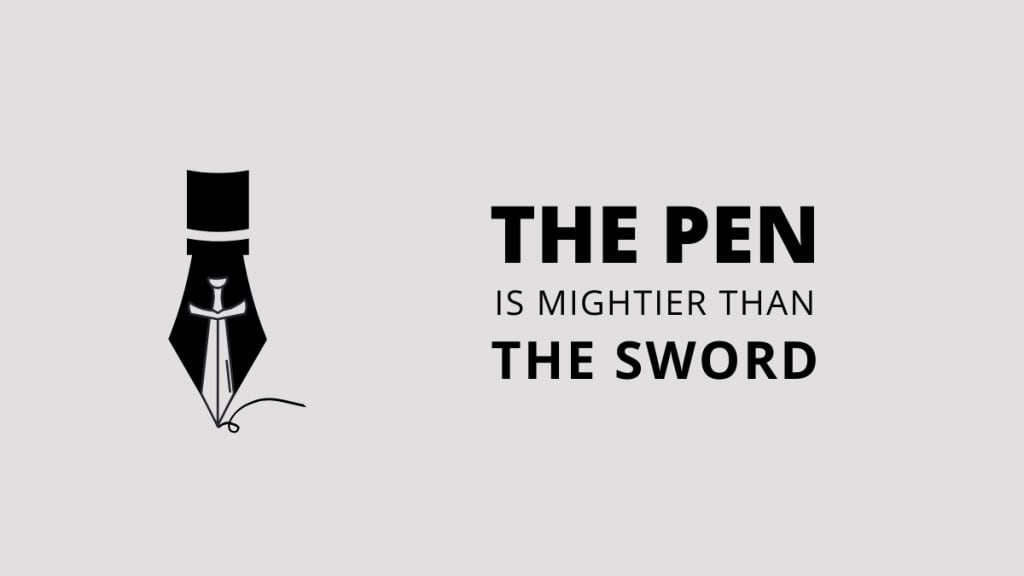
The written word has long been a potent force in shaping history. Throughout the centuries, political movements and revolutions have been powered by the pen. From the time of Martin Luther to the digital age, influential leaders and writers have used writing to challenge oppressive systems, inspire change, and ignite revolutions. This article explores the impact of written words on political movements, highlighting some of the most significant examples from history and examining how the pen continues to play a crucial role in modern political struggles.
The Pen’s Influence on Political Movements
1. Martin Luther’s 95 Theses: A Catalyst for Reformation
In 1517, Martin Luther nailed his 95 Theses to the door of the Castle Church in Wittenberg, Germany. This bold act sparked the Protestant Reformation, challenging the Catholic Church's practices and power. Luther’s writings were revolutionary and spread quickly due to the recent invention of the printing press. His words rallied people to question church authority, leading to religious and political upheaval across Europe. The pen, through Luther’s writings, brought about a major shift in both religious and political thinking.
2. The American Revolution: Declaration of Independence
The American Revolution was largely fueled by the writings of influential figures like Thomas Paine and Thomas Jefferson. Paine’s Common Sense provided a strong argument for independence from Britain, inspiring many to join the revolutionary cause. Jefferson’s Declaration of Independence articulated the principles of freedom, equality, and self-governance, solidifying the colonies’ resolve to break away from British rule. The pen, in the form of pamphlets, letters, and declarations, played a crucial role in uniting the colonies and driving them toward independence.
The Power of the Written Word in Modern Political Movements
1. The Civil Rights Movement: Written Words for Equality
In the 20th century, the Civil Rights Movement in the United States was deeply influenced by the written word. Figures like Martin Luther King Jr. used speeches, letters, and books to spread messages of equality and justice. King’s Letter from Birmingham Jail remains one of the most powerful examples of writing as a tool for social change. His words, along with the writings of other activists, helped to rally support for the movement and push for legislative changes in the fight against racial segregation and discrimination.
2. Feminism: Writing for Women’s Rights
Feminist movements throughout history have relied heavily on the written word to advocate for gender equality. In 1792, Mary Wollstonecraft’s A Vindication of the Rights of Woman challenged the societal norms that restricted women’s rights. Her work inspired future generations of feminists to continue advocating for women’s education, voting rights, and equality in all aspects of life. Later, Simone de Beauvoir’s The Second Sex became a landmark in feminist literature, urging women to break free from the limitations placed upon them by society. The written word remains a key tool in the ongoing fight for gender equality.
The Digital Age: The Pen Continues to Shape Political Movements
1. Social Media’s Role in Modern Political Change
In the 21st century, the rise of social media has revolutionized the way political movements spread. Platforms like Twitter, Facebook, and Instagram enable individuals to share ideas, organize protests, and mobilize supporters on a global scale. Movements like the Arab Spring, Black Lives Matter, and #MeToo have all used social media as a platform to raise awareness, challenge authority, and demand change. The written word in the form of posts, tweets, and hashtags continues to fuel political movements today.
2. Hashtags as Modern Slogans
In the digital age, hashtags have become a powerful form of written expression. Movements like #BlackLivesMatter and #MeToo have used simple yet powerful hashtags to spread messages of resistance and empowerment. These digital slogans serve as modern-day rallying cries, connecting people across the globe who share common goals. Just as pamphlets and pamphleteers once spread revolutionary ideas, hashtags now serve as the vehicle for spreading political messages far and wide.
The Pen in Global Activism: Writing for Change
1. The Global Impact of the Pen
Political movements today are not confined to a single nation or region. The power of the written word has a global reach. For example, Greta Thunberg’s climate activism has been fueled by her writings, including her speeches and social media posts. Thunberg’s words have inspired millions to take action on climate change, highlighting how writing continues to drive political movements worldwide. Activists around the globe use blogs, articles, social media posts, and books to spread their messages and advocate for political change.
2. Writing as Resistance
Throughout history, the written word has often been a form of resistance. Writers, journalists, and activists have used their pens to expose government corruption, fight for civil liberties, and challenge oppressive regimes. In many cases, the act of writing has been a form of protest in itself. In authoritarian societies, writers who critique the government or advocate for change often face censorship or persecution. Yet, despite the risks, the pen remains a powerful weapon in the fight for justice and equality.
The Enduring Legacy of the Pen in Political Change
1. The Pen’s Lasting Power
The pen has proven time and again to be mightier than the sword. From Martin Luther’s Theses to the works of modern-day activists, the written word has been a driving force in political change. Whether it’s through books, articles, speeches, or social media, the written word has the power to inspire action, challenge authority, and unite people in common cause. The enduring influence of the pen in shaping political movements is a testament to its ability to bring about lasting change.
2. The Future of Political Movements and Writing
As we look to the future, it is clear that the pen will continue to play a vital role in shaping political movements. The digital age has made it easier than ever for individuals to share their ideas, connect with others, and organize for change. While the tools of writing may evolve, the power of the pen to inspire action and ignite revolutions will remain unchanged. The pen will continue to be a weapon in the fight for justice, equality, and political transformation.
Conclusion
From Martin Luther’s 95 Theses to modern social media movements, the pen has consistently been a force for political change. Political movements fueled by the written word have sparked revolutions, challenged oppressive systems, and led to the advancement of human rights. As we move further into the digital age, the power of writing remains as potent as ever. The pen is mightier than the sword, and its ability to shape political movements will continue to impact history for generations to come.
FAQs
1. How did Martin Luther’s 95 Theses influence the Reformation?
Luther’s 95 Theses challenged church practices and sparked the Protestant Reformation, leading to widespread religious and political change.
2. How did the American Revolution use writing to gain support?
Writings like Common Sense and the Declaration of Independence articulated the colonies’ desire for freedom and rallied support for the revolution.
3. What role did the pen play in the Civil Rights Movement?
The Civil Rights Movement was fueled by powerful speeches and writings, such as Martin Luther King Jr.'s Letter from Birmingham Jail, which inspired change.
4. How has social media influenced political movements?
Social media has allowed for the rapid spread of political ideas, enabling movements like the Arab Spring and #BlackLivesMatter to gain traction.
5. Why is the pen still powerful in modern political movements?
The pen continues to be a tool for change, from traditional writing to digital platforms, allowing activists to organize, share ideas, and mobilize for political causes.
About the Creator
Jaison Abraham
Stay informed with iOpener.today – your go-to source for the latest news, trends, insights, and stories that matter, delivered daily for a smarter tomorrow.
Keep reading
More stories from writers in Motivation and other communities.
One Hard Thing
Stop me if you’ve heard this one before: You have the number, you know your schedule- you’ve even picked out the perfect day and time to make this appointment. Shoot, you’ve even picked out alternative days and times just in case their schedules can’t accommodate you!
By Taylor Rigsby4 days ago in Motivation
Teachers Aren't Babysitters
This has been on my mind for a while. I had so many feelings if I should place my opinion on this or not. I still have those feelings ,but then again I'm like why not say it. Here goes nothing. I feel like parents needs to stop treating teachers like they are baby sitters ( That's also including the supporting teams as well .) I am going to explain because it's very vital for it to not be miscrewed in talking about this touchy subject. Here are my facts about it.
By Erica Williams7 days ago in Motivation


Comments
There are no comments for this story
Be the first to respond and start the conversation.