
Plant Power: Health Benefits and How to Make the Switch
Discover how adopting a plant-based diet can transform your health and the planet. Learn about the benefits of this lifestyle and get easy tips on how to transition into a diet full of plant-powered goodness.

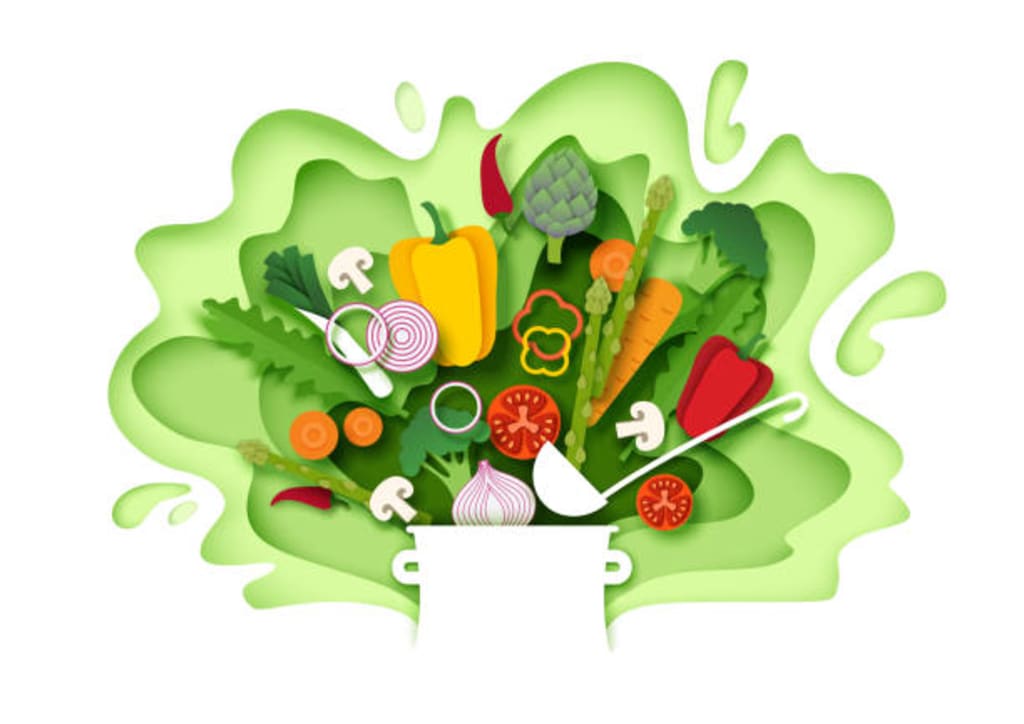
In recent years, more and more people have been turning to plant-based diets. Whether it's for health, the environment, or personal reasons, this lifestyle is gaining popularity worldwide. But what exactly is a plant-based diet, and why should you consider making the switch? Let’s explore the benefits of plant power and how to start your journey towards a healthier, greener way of eating.
What Is a Plant-Based Diet?
A plant-based diet focuses mainly on foods that come from plants. This means eating lots of fruits, vegetables, whole grains, legumes (like beans and lentils), nuts, and seeds. Unlike vegetarian or vegan diets, which exclude all animal products, a plant-based diet doesn’t have strict rules. Some people might still include small amounts of meat, fish, or dairy, but the emphasis is on plants.
The idea is simple: fill your plate with foods that grow from the earth, while reducing your intake of animal-based products. The benefits of doing this are more significant than many people realize.
Health Benefits of a Plant-Based Diet
1. Better Heart Health
One of the biggest benefits of a plant-based diet is its positive impact on heart health. Studies have shown that people who eat more plant-based foods tend to have lower blood pressure and cholesterol levels. This reduces the risk of heart disease, which is one of the leading causes of death worldwide. Eating fiber-rich foods like fruits, vegetables, and whole grains can help keep your heart strong and healthy.
2. Weight Management
If you're looking to maintain a healthy weight or shed a few pounds, a plant-based diet can help. Since plant foods are generally lower in calories and higher in fiber, they can help you feel full while eating less. You won't have to worry about counting calories if you fill your meals with colorful veggies, whole grains, and beans. These foods provide plenty of nutrients while keeping your waistline in check.
3. Lower Risk of Diabetes
Studies show that plant-based diets can lower the risk of developing type 2 diabetes. This is because plant foods are often low in fat and high in fiber, which helps to keep blood sugar levels stable. Reducing the consumption of processed meats and refined sugars can also improve insulin sensitivity, making it easier for your body to regulate blood sugar.
4. Improved Digestion
Fiber is essential for healthy digestion, and plant-based foods are full of it. Whether it's fruits, vegetables, whole grains, or legumes, these foods help keep your digestive system running smoothly. A fiber-rich diet can prevent issues like constipation and bloating, while also promoting a healthy gut.
5. Environmental Benefits
Beyond personal health, switching to a plant-based diet can have a positive impact on the planet. The production of plant foods generally requires fewer resources, such as water and land, and produces less greenhouse gas emissions compared to animal farming. By reducing your consumption of meat and dairy, you can help combat climate change and reduce your ecological footprint.
How to Make the Switch to a Plant-Based Diet
Switching to a plant-based diet doesn’t have to happen overnight. You can start small and gradually make changes that fit your lifestyle. Here are some simple tips to help you get started:
1. Add More Plants to Your Plate
Begin by adding more fruits, vegetables, and plant-based proteins to your meals. Instead of focusing on what you're cutting out, think about what you're adding. Try starting with Meatless Mondays, where you dedicate one day a week to eating entirely plant-based meals.
2. Experiment with Plant-Based Proteins
Plant-based proteins like beans, lentils, tofu, and tempeh are excellent replacements for meat. You can use them in a variety of dishes, from stir-fries to salads. These foods are packed with nutrients and can help you feel full and satisfied.
3. Make Simple Swaps
Try swapping animal-based ingredients for plant-based ones in your favorite recipes. For example, use almond milk instead of dairy milk or mashed avocado instead of butter. Small changes like these can make a big difference over time.
4. Explore New Recipes
Explore plant-based recipes that excite you. From veggie-packed pasta dishes to hearty grain bowls, there’s no shortage of delicious meals to try. Look for inspiration online, or invest in a plant-based cookbook to get creative in the kitchen.
5. Stay Balanced
While it's important to focus on plant foods, make sure you're still getting all the nutrients your body needs. Include a variety of protein sources, healthy fats, and whole grains in your diet to stay balanced and energized.
Conclusion
Switching to a plant-based diet is one of the best things you can do for your health and the environment. With countless benefits, from better heart health to a reduced ecological footprint, this lifestyle is worth considering. And the best part? You don’t have to give up all your favorite foods—just make a few changes to embrace the power of plants.
By taking small steps, experimenting with new ingredients, and focusing on balance, you can easily make the transition to a healthier, more sustainable way of eating. So, why not give it a try? Your body—and the planet—will thank you!
About the Creator
Tipu Das
Hi, I’m Tipu! I love storytelling and exploring various topics. Whether it's history, trends, or personal growth, I'm here to share insights. Join me on this journey as we discover new ideas together!
Keep reading
More stories from Tipu Das and writers in Motivation and other communities.
Why silent people are successful.
Title: Unveiling the Unspoken Power: How Introverts Pave the Way to Triumph Introduction: In a world that extols the virtues of extroversion, the unique strengths of introverted individuals often remain veiled. However, beneath their calm and contemplative exterior lies an arsenal of qualities that set them on a trajectory towards remarkable success. This article delves into eight compelling rationales that underscore how introverts flourish in a multitude of domains, showcasing how their distinctive attributes are the cornerstone of their achievements.
By Tipu Das3 years ago in Motivation
A Heart for Service: How Jeffrey Spina is Helping Neighbors in Need
When people talk about building stronger communities, they often point to organizations, government programs, or big charities. But what truly makes the difference, time and time again, are individuals who step forward with a genuine desire to help others. One such individual is Jeffrey Spina, a dedicated member of the Salvation Army, who has been making a lasting impact through his tireless service and commitment to social good.
By Jeffrey Spina7 days ago in Motivation
How to Remove Dark Circles Naturally at Home
Dark circles under the eyes are a common concern for many people. They can make you look tired, stressed, and older than you actually are. While expensive treatments and cosmetic products promise quick results, many natural remedies can help reduce dark circles safely from the comfort of your home.
By Stories Today3 days ago in Motivation
A Transparent Look at Vocal Challenges and Top Stories
Almost three years ago, we shared a resource article that served as a place for people to suggest new challenge prompts. We thought it would be a good idea to refresh that thread, and take the opportunity to answer a few common questions about top stories, how challenges are judged and how submissions are reviewed.
By Vocal Curation Team4 days ago in Resources




Comments
There are no comments for this story
Be the first to respond and start the conversation.