
Pakistan Floods 2025: A Nation’s Test of Resilience
Beyond the rising waters—voices of survival and hope in Pakistan’s ongoing climate crisis

A Country Still Struggling
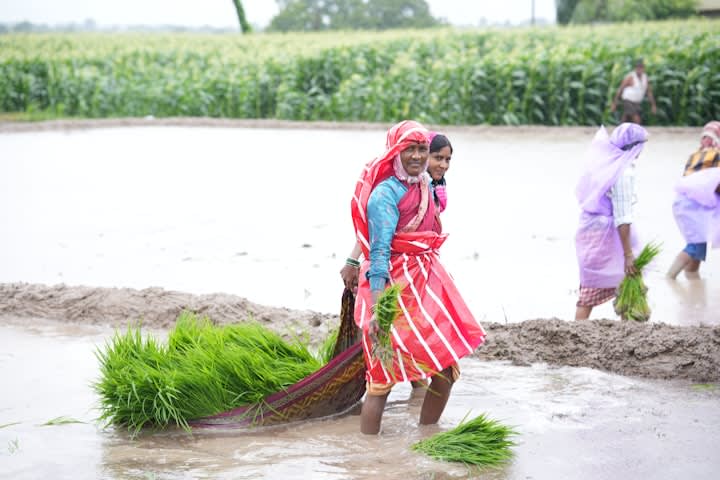
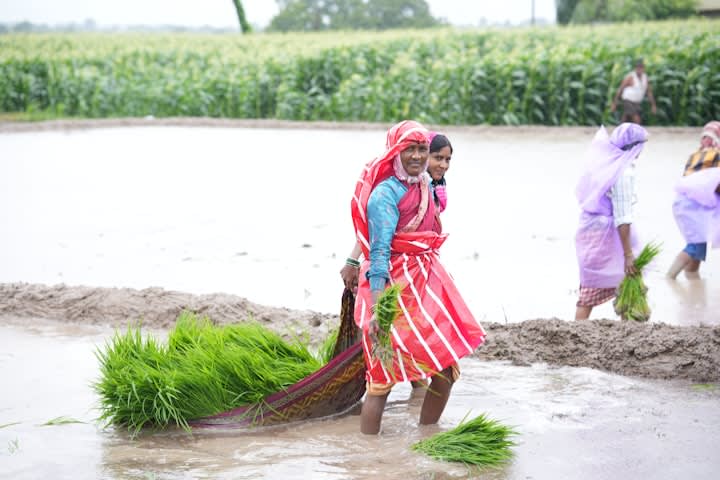
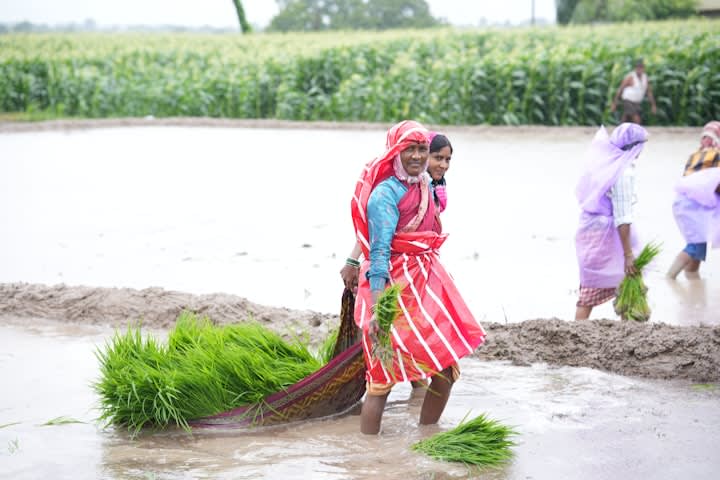
Three years after the catastrophic floods of 2022, Pakistan in 2025 is still struggling with the scars left behind. Entire regions continue to rebuild, farmers are replanting fields that once lay under water, and thousands of displaced families are still waiting for permanent housing.
The 2022 floods were among the most destructive in Pakistan’s history. More than 30 million people were affected, millions displaced, and thousands killed. While the waters eventually receded, their impact remains etched into the land and the people.
The challenge in 2025 is not only recovery—it is survival in the face of continuing climate change.
A Mother’s Unshaken Hope
In Sindh, Shazia, a mother of three, recalls the night her home collapsed under rushing water. Even today, she and her children live in a temporary shelter near Hyderabad.
Instead of surrendering, she turned tragedy into strength. Every evening, she gathers children from nearby tents and teaches them basic lessons.
“The water took my house,” she says, “but it cannot take my hope.”
Shazia’s story, three years on, symbolizes how ordinary women continue to hold communities together in the toughest circumstances.
Farmers Fighting Back
In Balochistan, farmer Ali Jan stands in his wheat fields once again. In 2022, his crops were swallowed by floodwaters. By 2025, he has replanted, though yields remain low due to damaged soil and irregular weather patterns.
“The land was broken,” he says. “But I could not give up. Even if I plant one seed, I will continue.”
For farmers like him, survival is tied to resilience. Their struggle shows that rebuilding after floods is not only about repairing homes but also about restoring food security for millions.
Lessons Still Unlearned
Experts agree that the floods of 2022 were intensified by climate change—glacial melt in the north combined with record monsoon rains. Pakistan, which contributes less than 1% to global carbon emissions, continues to pay a heavy price.
Yet, in 2025, many of the same weaknesses remain. Deforestation continues. Urban sprawl has not slowed. Drainage systems remain outdated. This means the risk of future floods is still alarmingly high.
The tragedy of 2022 should have been a turning point. But without urgent reforms, Pakistan risks repeating history.
Aid, Promises, and Delays
After the floods, the world responded with aid, pledges, and climate finance commitments. Billions were promised. Yet, in 2025, many families still live in makeshift shelters.
Relief was slow, and reconstruction even slower. Mismanagement and corruption played their part. Communities often had to rely on local volunteers more than institutions.
Still, ordinary Pakistanis became extraordinary heroes. Fishermen rescued entire villages. Students raised funds online. Doctors provided free medical care. These stories remind us that resilience is found not in governments but in people.
A Warning for the World
By 2025, climate change has made disasters more frequent globally. From floods in Asia to fires in Europe, the planet is sounding alarms. Pakistan’s story is no longer just national—it is universal.
The lessons are clear:
Preparedness saves lives: Stronger warning systems and safer housing must be prioritized.
Sustainable infrastructure: Modern drainage and flood protection are essential.
Global climate justice: Wealthier nations must deliver on their climate finance promises.
Environmental protection: Deforestation and reckless development must end.
Pakistan’s survival depends not only on national reforms but also on global responsibility.
The Human Spirit Endures
Despite the destruction, Pakistan’s people have shown remarkable resilience. Families who lost everything continue to rebuild, brick by brick. Children who grew up in tents now attend schools set up by local volunteers.
As Shazia, the mother from Sindh, reminds us: “The water took our home, but it could not take our will to live.”
In 2025, her words are not only a testimony of survival but also a call to the world: we cannot ignore climate change any longer.
Suggested Category for Vocal Media
👉 Challenges (best fit)
👉 Alternative: Motivation or Humans
✍️ About the Writer
Written by []] is a freelance writer focusing on climate change, social challenges, and stories of human resilience. His work highlights the voices of ordinary people facing extraordinary struggles.
About the Creator
Keep reading
More stories from جاوید علی and writers in Motivation and other communities.
Daily Habits That Make Your Brain Sharper
Introduction In today’s fast-moving world, our brain is under constant pressure. We juggle between work, social media, and personal responsibilities, often leaving little time to care for our mental well-being. Just like our body needs exercise to stay strong, our brain also requires daily habits to perform at its best. Sharpening your brain is not about quick fixes or magic pills—it’s about small, consistent actions that improve focus, creativity, and memory over time.
By جاوید علی6 months ago in Motivation




Comments
There are no comments for this story
Be the first to respond and start the conversation.