


What is nutrition..?
The study of nutrition focuses on how food and drink affect the body, particularly how the body uses nutrients to stay healthy, develop, and recover. The prevention of chronic diseases and the maintenance of good health both depend heavily on nutrition. To make sure the body gets all the nutrients it needs, it entails eating a balanced diet that contains a range of various foods. Carbohydrates, proteins, lipids, vitamins, minerals, and water are some of these nutrients.
Nutrition also include knowing how various foods and nutrients impact the body and how to apply this understanding to make educated dietary decisions. Understanding the function of various macronutrients, micronutrients, and other food constituents in preserving good health as well as how various dietary practices and lifestyles may affect health outcomes are part of this.
It's crucial to keep in mind that nutrition is a field that is continuously changing and that new knowledge is continually being discovered, as well as the possibility that various people may have varied nutritional demands depending on their age, gender, amount of exercise, and general health.
Why we are important to nutrition health..?
Good nutrition is crucial for development and growth. To create energy, maintain immunological function, and grow and repair tissues, the body requires a range of nutrients.
Dietary habits are crucial for preventing chronic diseases. Heart disease, diabetes, and several cancers can be reduced with a diet rich in fruits, vegetables, whole grains, and lean proteins and low in added sugars and saturated fats.
A healthy weight can be maintained with proper nutrition. The proper calorie and nutrient intake can help avoid weight gain and obesity, which can cause a variety of health issues.
Nutrition is crucial for keeping energy levels up. A diet rich in healthy fats, protein, and carbohydrates can help the body stay nourished and foster emotions of wellbeing.
Maintaining mental health requires proper nutrition. In addition to supporting brain health, a diet rich in fruits, vegetables, and seafood and low in saturated fats may reduce the incidence of dementia and other cognitive impairments.
Emotional health is maintained by nutrition. Alterations in mood and feelings of despair or anxiety can be avoided by eating a balanced diet and avoiding vitamin shortages.
Proper nutrition is necessary for top physical performance. For the purpose of increasing endurance and general physical performance, it's crucial to consume adequate amounts of carbohydrates, protein, and healthy fats.
In conclusion, healthy eating plays a critical role in preventing chronic diseases, maintaining a healthy weight, and boosting general wellbeing. It is crucial for maintaining excellent health throughout life.
What foods are naturally nutritious?

Fruits and vegetables are rich in antioxidants, vitamins, and minerals that can assist the body fend off disease.
Whole grains are a good source of carbohydrates, fiber, different vitamins, and minerals. Examples of whole grains are oats, brown rice, and quinoa.
Lean proteins: Lean proteins, such those found in fish, chicken, turkey, and tofu, are essential for sustaining life and mending tissues.
Legumes: Legumes, such beans, lentils, and peas, are a good source of fiber, protein, and a number of different vitamins and minerals.
Nuts and seeds: These are fantastic sources of protein, numerous vitamins, and minerals as well as good sources of healthy fats.
Dairy products: Cheese, yogurt, and milk all include high levels of protein, calcium, and other vital elements.
Eggs: Eggs are a complete protein source and a rich source of vitamins and minerals. They also include all nine essential amino acids.
Fish: Fishes rich in omega-3 fatty acids, which are crucial for heart health, cognitive function, and general well-being, include salmon, sardines, mackerel, and tuna.
What are the benefits of getting nutritious food..?
Preserving good health:
Eating healthfully gives the body the vital nutrients—carbohydrates, proteins, fats, vitamins, and minerals—necessary for tissue growth and repair, immune system maintenance, and energy production.
Preventing chronic illnesses:
Consuming a diet rich in fruits, vegetables, whole grains, and lean proteins and low in added sugars and saturated fats will help reduce the risk of heart disease, diabetes, and several cancers.
Keeping a healthy weight:
Eating enough calories and nutrients will help avoid weight gain and obesity, which can result in a variety of health issues.
Preserving energy levels:
Consuming a diet rich in complex carbs, lean protein, and good fats will help the body stay nourished and foster emotions of wellbeing.
Upholding cognitive function:
Consuming a diet rich in fruits, vegetables, and seafood and low in saturated fats helps maintain brain health and reduce the risk of dementia and other cognitive disorders.
Keeping your emotional health in check:
Eating a balanced diet and avoiding vitamin shortages will help you stay out of the mood-swing and sadness or anxiety-inducing zone.
Optimal physical performance:
To grow and maintain muscle mass, boost endurance, and enhance overall physical performance, a diet that contains enough carbs, protein, and healthy fats is crucial.
Boosting digestion and gut health:
Eating nutrient-dense foods that are high in fiber and other advantageous components can aid in promoting healthy digestion, beneficial gut flora, and gut health in general.
Improving skin and hair:
Eating wholesome meals that are high in vitamins and minerals will help you achieve better skin and hair in terms of both appearance and health.

Things not to do to stay healthy and nourished..
Skipping meals: Skipping meals increases the risk of overeating, tiredness, and vitamin deficits.
Eating an excessive amount of processed food: Processed foods can include high levels of added sugars, saturated fats, and sodium and are deficient in important nutrients.
Excess sugar intake: Excess sugar intake can cause weight gain, diabetes, and other health issues.
Consuming too much saturated and trans fats: These fats are connected to heart disease and other health problems.
Drinking too much alcohol: Drinking too much alcohol can harm your liver and raise your risk of getting cancer, among other health issues.
Not getting enough water: Drinking adequate water is crucial for overall health, which includes preserving energy and avoiding constipation.
Eating insufficient amounts of fruits and vegetables: Fruits and vegetables are a great source of vitamins, minerals, and antioxidants, all of which are necessary for optimal health.
Not getting enough sleep: Getting enough sleep is essential for optimum health, which includes preserving energy and reducing weight gain.
Lack of exercise: Regular exercise is essential for maintaining excellent health, which includes preserving a healthy weight and preventing chronic diseases.
Ignoring food allergies and intolerances: Ignoring food allergies and intolerances can result in major health issues and nutrient deficits.
It's crucial to remember that everyone has distinct dietary requirements, so what works for one person might not work for another. A certified dietician or a healthcare provider should be consulted for individualized dietary guidance.
Be healthy & Happy
keep your healthy how to make the food you have to see this link
About the Creator
Keep reading
More stories from chandani Ruwan Kumari and writers in Motivation and other communities.
SECRET OF THE IMMUNE
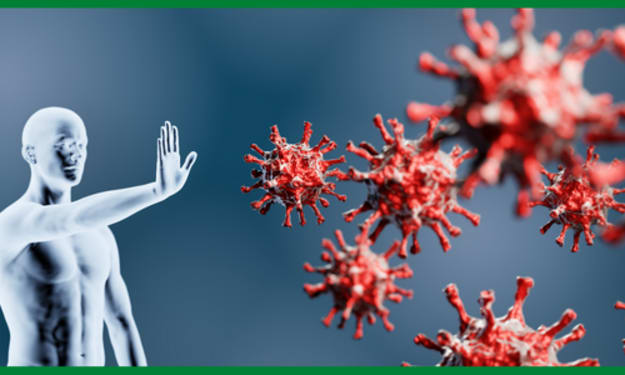
What is the immune booster..? A medication or treatment that strengthens the immune system and improves the body's capacity to fend against infections and diseases is known as an immune booster. Things like vitamins, minerals, herbs, supplements, and pharmaceuticals can fall under this category. The immune system can be strengthened using substances like vitamin C, echinacea, and probiotics. It's crucial to keep in mind that these immune boosters' efficacy can vary, and further research is required to validate it. Additionally, it's crucial to consult a medical expert before beginning any new supplements or medications, especially if you have a pre-existing disease or are already taking medication.
By chandani Ruwan Kumari3 years ago in Motivation


The Bridge He Almost Never Crossed
In a small riverside town in northern Europe, where winter stayed longer than welcome and the sun often hid behind gray clouds, lived a young man named Elias. His town was famous for its old stone bridge — a bridge that connected the quiet residential streets to the busy industrial district where most people worked. Every morning, hundreds of workers crossed it without thinking.
By Iazaz hussain7 days ago in Motivation

Comments
There are no comments for this story
Be the first to respond and start the conversation.