
Mantra meditation
what it is, benefits, and how to practice
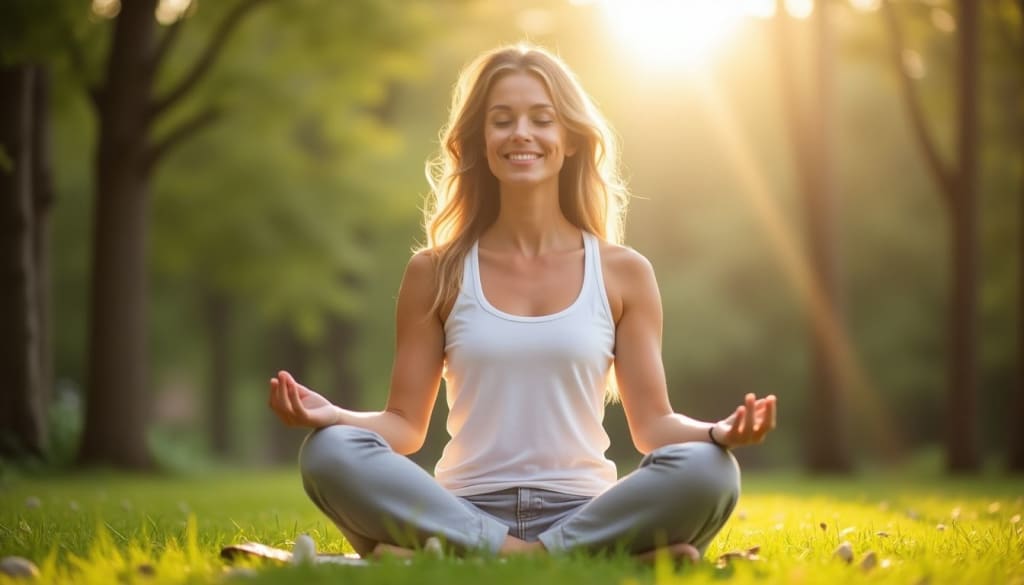
Mantra Meditation is one of those things that sounds fancy, but it's actually pretty simple. It's about repeating a word or phrase—your mantra—while you meditate. This practice has been around for ages and is known for helping people chill out and find some peace. You might be thinking, "Why would repeating a word help me relax?" Well, it gives your mind something to focus on, which can really help quiet all that background noise in your head.
Key Takeaways
Mantra meditation involves repeating a word or phrase to focus the mind.
It's an ancient practice that helps reduce stress and increase mindfulness.
Choosing the right mantra is personal and can enhance the meditation experience.
Regular practice can improve emotional well-being and mental clarity.
Integrating mantra meditation into daily life can bring long-term benefits.
Understanding Mantra Meditation
Mantra Meditation : What it is, Benefits, and How to practice
Origins and Meaning of Mantras
Mantra meditation is deeply rooted in ancient traditions, with its origins tracing back to the spiritual practices of Hinduism and Buddhism. The word "mantra" itself comes from Sanskrit, combining "man," meaning mind, and "tra," meaning tool or instrument. Essentially, a mantra is a tool for the mind, helping to transport or release it from the constant chatter of thoughts. By repeating these sacred sounds or phrases, practitioners aim to quiet their minds and achieve a state of deep focus and tranquility.
How Mantras Enhance Meditation
In the practice of mantra meditation, the repetition of a mantra serves as a focal point, anchoring the mind and preventing it from wandering. This simple act of repetition can transform a meditation session. Here's how mantras work their magic:
Focus: Mantras help concentrate the mind, making it easier to let go of distractions.
Calmness: The rhythmic repetition can induce a state of relaxation and peace.
Presence: By focusing on the mantra, practitioners are brought into the present moment, reducing stress and anxiety.
When you repeat a mantra, you're not just saying words; you're creating a vibration that resonates throughout your being, aligning your mind and body with the present moment.
Common Mantras Used in Practice
Choosing the right mantra is essential for effective meditation. While there are countless mantras to choose from, some have stood the test of time:
Om: Often considered the primordial sound, "Om" is used at the beginning and end of meditation sessions to connect with the universe's fundamental vibration.
So Hum: Translating to "I am that," this mantra is often used to align one's energy flow and promote a sense of wellbeing.
Lokah Samastah Sukhino Bhavantu: Meaning "May all beings be happy and free," this mantra is a powerful expression of compassion and goodwill towards all living things.
These mantras are more than just words; they are powerful tools that can transform your meditation practice, bringing you closer to a state of inner peace and clarity.
Benefits of Mantra Meditation
Physical and Mental Health Benefits
Mantra Meditation isn't just about chanting words; it has real effects on your mind and body. Many people experience reduced stress and anxiety after making it a regular part of their routine. As you focus on repeating a mantra, your mind starts to calm down, letting go of all that constant noise and worry. This can lead to a sense of peace and relaxation that's hard to find elsewhere.
Improved Sleep Quality: Regular practice can help you fall asleep faster and enjoy deeper rest.
Increased Focus: By concentrating on a mantra, you train your brain to stay on task, which can be helpful in daily life.
Enhanced Self-Awareness: Meditation helps you understand your thoughts and feelings better, leading to personal growth.
Emotional and Spiritual Growth
Beyond the physical benefits, mantra meditation can also boost your emotional well-being. It encourages self-compassion and acceptance, helping you to be kinder to yourself. This practice can also lead to spiritual growth, as you become more in tune with your inner self and the world around you.
Greater Sense of Calm: The repetitive nature of mantras can bring a deep sense of peace.
Strengthened Self-Compassion: Understanding your thoughts without judgment fosters kindness towards yourself.
Connection to Spirituality: Many find a deeper connection to their spiritual beliefs through regular practice.
Scientific Studies Supporting Benefits
Research into mantra meditation shows promising results. Studies have indicated that it can positively affect brain health, potentially improving memory and cognitive function. The Gayatri Mantra, for example, has been shown to align one's thoughts with universal energies, further enhancing its effectiveness.
Practicing mantra meditation can transform your mental landscape, offering a profound sense of clarity and purpose. It's not just about the words you repeat, but the journey you embark on towards inner peace and understanding.
How to Practice Mantra Meditation
Person meditating peacefully in a natural setting.
Setting Up Your Meditation Space
Creating a calming environment is the first step to successful mantra meditation. Find a quiet corner in your home where you won't be disturbed. It could be a cozy spot in your living room or a serene corner in your garden. Consider adding elements that help you relax, like soft cushions, a scented candle, or gentle music. The aim is to craft a space that feels both comforting and inviting.
Choosing the Right Mantra for You
Selecting a mantra is a personal journey. Think about what resonates with you, whether it's a word, sound, or phrase. It should feel natural and meaningful. Some people prefer traditional Sanskrit mantras like "Om" or "So Hum," while others might choose an affirmation like "I am calm." Trust your intuition to guide you to the mantra that aligns with your intentions.
Steps to Begin Your Practice
Get Comfortable: Sit or lie down in your meditation space. Ensure your body is relaxed but alert.
Set a Timer: Decide how long you want to meditate, starting with 5-10 minutes if you're a beginner.
Breathe Deeply: Start with a few deep breaths to center yourself.
Introduce Your Mantra: Begin chanting your chosen mantra, either silently or out loud, aligning it with your breath.
Focus and Redirect: If your mind wanders, gently bring your focus back to your mantra without frustration.
Conclude Gently: When your timer goes off, take a moment to sit quietly before moving on with your day.
Remember, meditation is a practice, not a perfect. Each session is an opportunity to deepen your connection with yourself and your mantra. Be patient and kind to yourself as you explore this path.
Overcoming Challenges in Mantra Meditation
Dealing with Distractions
Mantra meditation can be a peaceful experience, but distractions are bound to pop up. It's natural for your mind to wander, especially if you're new to meditation. When this happens, gently bring your focus back to your mantra. Think of it like gently nudging a curious puppy back to its path. If you find yourself getting lost in thoughts or external noises, don't get frustrated. Just acknowledge the distraction and return to your mantra. Over time, you'll find it easier to maintain focus.
Maintaining Consistency in Practice
Sticking to a regular meditation schedule can be tough. Life gets busy, and sometimes meditation feels like just another task. Start small, maybe five to ten minutes a day, and gradually increase as you get more comfortable. Set reminders on your phone or pair your meditation with a daily routine, like right after waking up or before bed. Consistency is key, and even short, regular sessions can make a big difference.
Adapting Meditation to Your Lifestyle
Meditation doesn't have to be a rigid practice. It should fit into your life, not the other way around. If sitting still is hard, try a walking meditation or use a guided session. Find a mantra that resonates with you, one that you feel comfortable repeating. Experiment with different times of day and settings until you find what works best for you. Remember, meditation is a personal journey, and it's okay to adapt it to suit your needs.
Meditation is not about achieving a perfect state of mind. It's about accepting where you are and gently guiding yourself towards peace. Every session is a step forward, even if it doesn't feel like it at the time.
About the Creator
Aman Saxena
I write about personal growth and online entrepreneurship.
Explore my free tools and resources here →https://payhip.com/u1751144915461386148224
Keep reading
More stories from Aman Saxena and writers in Motivation and other communities.
Fired at 30: The Failure That Funded Her Freedom
At 30 years old, Mia believed she had finally made it. She had the job title she worked years for. The corner desk by the window. The steady paycheck that made her parents proud and her friends quietly impressed. From the outside, her life looked stable, secure... even enviable.
By MIGrowth7 days ago in Motivation



Comments
There are no comments for this story
Be the first to respond and start the conversation.