
Is drinking too much water fatal?
Normal amount of water for during,Role of water in our body

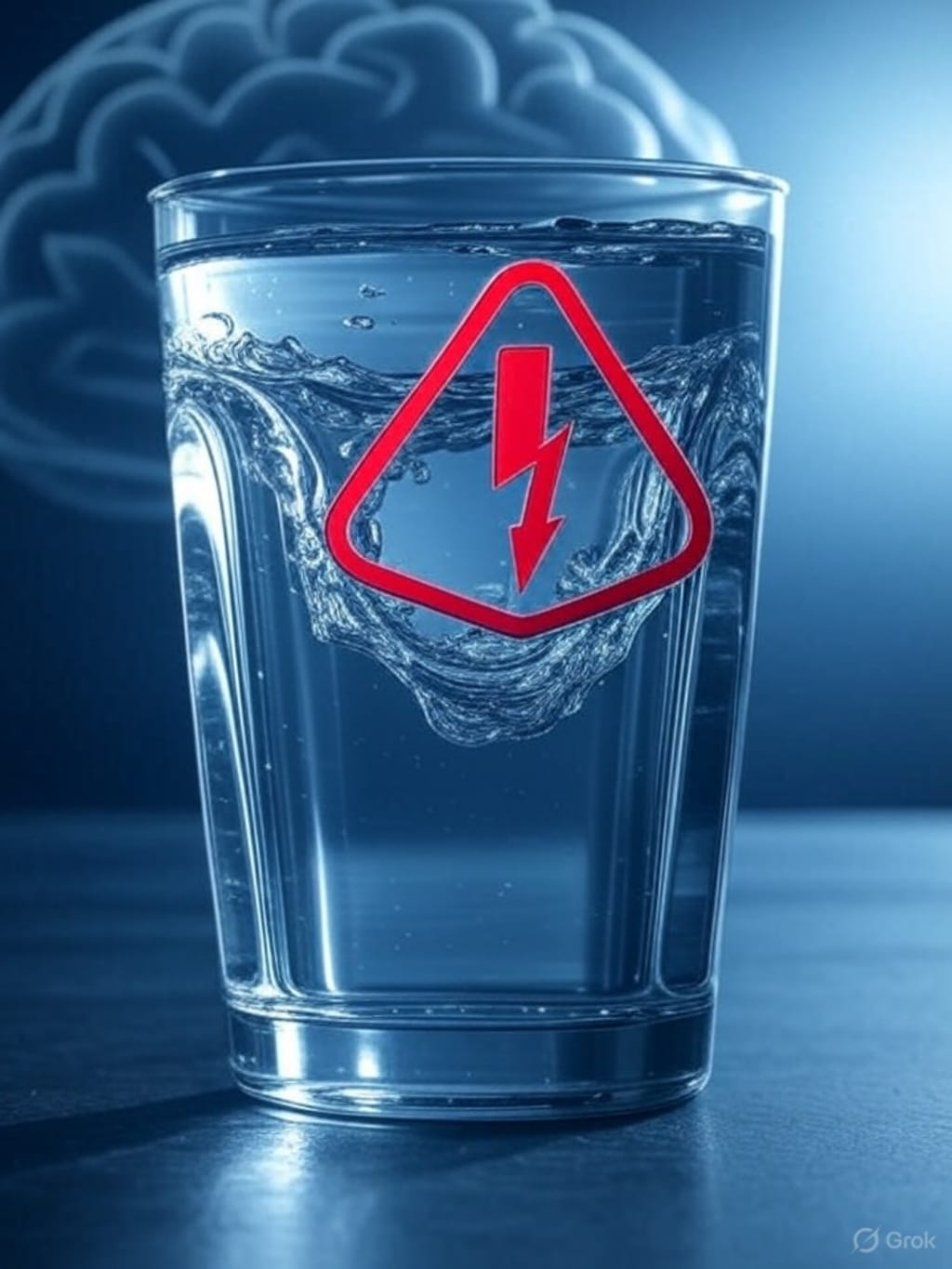
drinking too much water fatal?
Not drinking enough water can lead to dehydration, but can drinking too much water also be deadly?
About 60% of our body weight is made up of water. It is present in our cells, organs, blood, and other parts of the body.
Dr. Nedia Rodriguez Sanchez, a hydration expert at the University of Stirling in Scotland, says, “Water is a nutrient.”
“We focus on protein, vitamins, carbohydrates, and fiber, but we don’t consider water an essential nutrient in our lives.”
The Role of Water in the Body
According to medical experts, some of the key roles of water include:
Providing nutrients and oxygen to cells
Flushing bacteria out of the bladder
Aiding in digestion
Preventing constipation
Regulating blood pressure
Lubricating joints
Protecting organs
Regulating body temperature
Maintaining electrolyte (sodium) balance
What Happens If You Don’t Drink Enough Water?
The body loses water constantly. To keep the body and its organs functioning properly, this lost water must be replaced. This process is known as water balance.
If the body loses more water than it takes in, it can lead to dehydration — which may cause a number of serious health issues.
Symptoms of Dehydration:
Dark yellow and strong-smelling urine
Urinating less frequently than usual
Dizziness
Feeling fatigued
Dry mouth, lips, and tongue
Sunken eyes
According to the World Health Organization, in severe cases, dehydration can lead to confusion, rapid heart rate, and even organ failure.
Can Drinking Too Much Water Be Dangerous?
Yes, drinking too much water can also be dangerous and may have serious consequences.
Drinking excessive amounts of water in a short period can cause hyponatremia, also known as water intoxication. This happens when sodium levels in the blood drop to dangerously low levels, causing body cells to swell.
Symptoms of Hyponatremia:
Nausea and vomiting
Headache
Confusion
Low energy and fatigue
Anxiety and irritability
Muscle weakness or cramps
Seizures
In extreme cases, it can even lead to a coma or death.Some reported fatal cases involved people drinking 3–6 liters in a short time, especially without balancing electrolytes.
How Much Water Do We Really Need?
Women are generally advised to drink about 2 liters of water per day, and men about 2.5 liters. This includes not just water intake, but fluids from all sources — including food.
Most foods contain water — fruits, vegetables, rice, and even nuts. For example, watermelon is about 92% water.
However, these recommendations are not the same for everyone.
Professor John Speakman from the University of Aberdeen in Scotland was part of a global study monitoring the water intake of over 5,000 people in 23 countries.
“Men between the ages of 20 and 60 may need about 1.8 liters of water per day,” says Professor Speakman.
“Women of the same age group may require around 1.5 to 1.6 liters daily.
By the age of 85, a person may only need about 1 liter per day.”
How much water a person needs depends on various factors — including body weight, physical activity, age, gender, and environmental conditions.
“If you live in a hot and humid place, your water needs will be much higher than someone living in a cold and dry area,” he explains.
Thirst is the body’s natural signal that it needs more water.
Urine color is also a good indicator of hydration levels.
Light yellow urine means the body has sufficient water, while dark yellow may signal dehydration.
Water is one of the most essential substances for all forms of life on Earth. It is a clear, colorless, odorless, and tasteless liquid in its pure form. Chemically, water is made up of two hydrogen atoms and one oxygen atom (H₂O).
Water covers about 71% of the Earth's surface, mostly in oceans, seas, rivers, and lakes. It also exists underground and in the atmosphere as vapor. Only about 3% of Earth's water is fresh, and a very small portion of that is usable for drinking and agriculture
About the Creator
Keep reading
More stories from Real content and writers in Motivation and other communities.
Top 10 High-Paying Jobs that will be in demand in the future
Top 10 Future Jobs That Could Change Your Life As we move deeper into the digital age, technology, sustainability, and data are transforming the global job market. Two professions, Artificial Intelligence and Machine Learning are leading the charge and are expected to see explosive growth over the next five years. But they’re not alone. Here are 10 careers of the future that could redefine your destiny.
By Real content8 months ago in Motivation
A Historic Declaration
We the People of the Husbands of the United States of America, in Order to form a more perfect Union, and I mean you...with me...establish Justice, insure domestic Tranquility, provide for the common defence, promote the general Welfare, and secure the Blessings of Liberty to ourselves, after Puberty, do ordain and establish this Declaration of Co-Dependence.
By Gerard DiLeo4 days ago in Humans



Comments
There are no comments for this story
Be the first to respond and start the conversation.