
I'm No Expert: Nintendo's Pricing Precedent.
I'm No Expert: Nintendo's Pricing Precedent and Why It Works
Introduction
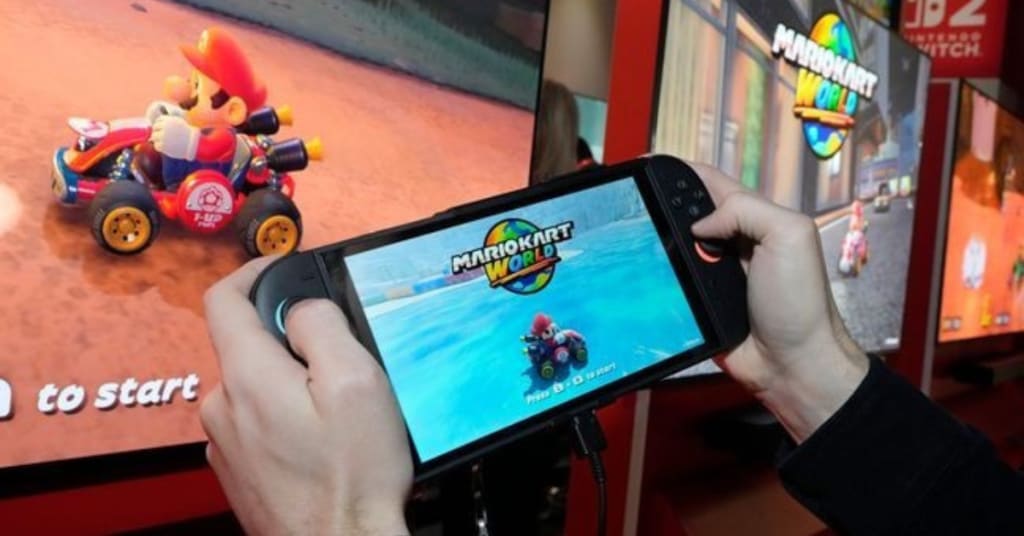
When it comes to game design, hardware innovation, or, most recently, pricing strategy, Nintendo has always followed its own rules. While competitors like Sony and Microsoft engage in aggressive discounts and frequent sales, Nintendo maintains a stubbornly high price point for its first-party games, even years after release.
Nintendo's reputation for value retention has been bolstered by this strategy, despite the fact that it has left budget-conscious gamers frustrated. How does Nintendo's strategy actually work to its advantage, and why does it refuse to lower prices?
The Nintendo Pricing Phenomenon
1. Prices for first-party games rarely drop. Unlike PlayStation or Xbox titles, which often see deep discounts within months of release, Nintendo’s major franchises (Zelda, Mario, Pokémon) rarely go on sale. Games like The Legend of Zelda: Breath of the Wild (2017) still retail near their original $60 price years later.
Why?
1. Value Perceived: Nintendo views its games as "evergreen"—enduring experiences as opposed to merely disposable entertainment. Lack of Competition: Because Nintendo exclusives do not directly compete with games developed by third parties, they do not require price reductions to remain relevant. Physical & Digital Parity: Nintendo avoids devaluing its games by keeping digital prices high, unlike Steam or PlayStation Store flash sales.
2. The "Nintendo Tax": Re-releases and Second-Hand Editions Even in the used game market, Nintendo titles hold their value. A copy of Mario Kart 8 Deluxe (2017) still sells for 40−50 used, whereas a used Call of Duty game from the same year might go for $5.
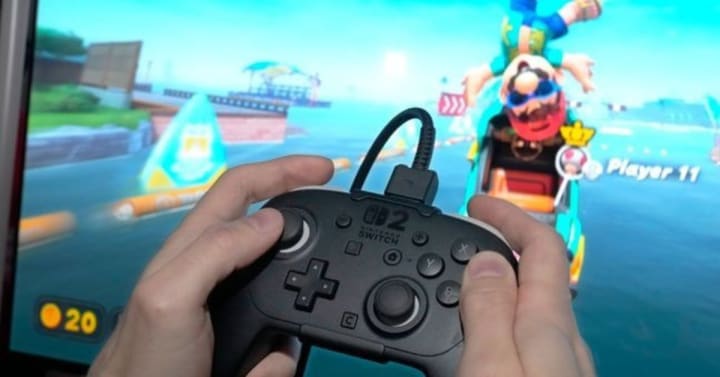
Additionally, Nintendo makes money from re-releases: Skyward Sword HD and other remasters typically launch at retail price. Rarely are classic games offered at significant discounts on Switch Online or as "Switch Ports." 3. Hardware that can't be depreciated Nintendo consoles also resist price drops. The Switch, seven years after launch, still sells near its original $300 MSRP, unlike the PlayStation 5 and Xbox Series X, which have seen bundled discounts.
Why does this work?
Appeal to Families and Casuals: Parents who purchase Switches for their children are not as concerned about cost as avid gamers. Unique Form Factor: No direct competition in the hybrid console space means no pressure to undercut rivals.
Why Gamers Accept (or Tolerate) Nintendo’s Pricing
1. Quantity versus quality With only a few microtransactions, Nintendo's first-party games are polished, complete experiences. Instead of paying for a game that is not finished and needs patches, gamers feel they are getting a premium product.
2. Brand loyalty and nostalgia For decades, Nintendo has worked to connect with its fans emotionally. Fans are willing to pay a premium for Mario, Zelda, and Pokémon because they trust the brand.
3. No FOMO (fear of missing out) Since Nintendo games rarely drop in price, there’s no incentive to wait for a sale. Gamers make a purchase knowing that they won't be cheated in the future.
The Downsides of Nintendo’s Strategy
While Nintendo’s pricing model works for its bottom line, it frustrates budget gamers:
Older games have steep entry fees for newcomers. When competing with Nintendo's classic games, independent developers face challenges. Digital sales are lackluster compared to Steam or PlayStation Store.
Conclusion: Is Nintendo’s Pricing Fair?
Both a strength and a weakness of Nintendo is its refusal to adhere to industry pricing standards. It preserves brand value and ensures developers get paid fairly, but it also locks out cost-conscious players.
Because fans continue to pay it, the "Nintendo Tax" will not change for the time being.
About the Creator
Keep reading
More stories from writers in Motivation and other communities.
One Hard Thing
Stop me if you’ve heard this one before: You have the number, you know your schedule- you’ve even picked out the perfect day and time to make this appointment. Shoot, you’ve even picked out alternative days and times just in case their schedules can’t accommodate you!
By Taylor Rigsby11 days ago in Motivation
‘Superhuman’ Teen Swims for Hours to Save Family Stranded Off Australian Coast
In a world where viral headlines often focus on conflict, politics, or disasters, stories of extraordinary human courage stand out as powerful reminders of what people are capable of in moments of crisis. One such story recently emerged from Australia, where a teenage boy was described as “superhuman” after swimming for hours through rough ocean waters to save his stranded family. The dramatic rescue has captured global attention, not only for the physical endurance required but also for the emotional strength and quick thinking shown by the teenager. It is a story of bravery, instinct, and the unbreakable bond of family. The Incident: A Family in Peril at Sea The incident occurred off the Australian coast, where a family found themselves stranded in dangerous conditions. The sea was rough, and their boat was unable to return safely. With limited communication options and rising danger, the situation quickly turned into a life-threatening emergency. Among the stranded family members was a teenage boy who made a decision that would later be called heroic: he chose to swim for help. This was not a short swim. It was an hours-long battle against strong currents, fatigue, and the vastness of the ocean. The teen’s goal was simple but daunting—reach shore and alert authorities before it was too late. A Test of Physical and Mental Strength Swimming for hours in open ocean conditions is something even trained athletes would find extremely challenging. The teen faced cold water, exhaustion, waves, and the constant risk of being pulled away by currents. What makes this story extraordinary is not just the physical feat, but the mental resilience behind it. Fear, uncertainty, and fatigue can overwhelm even experienced swimmers. Yet, the teenager pushed forward, driven by the knowledge that his family’s lives depended on him. Experts say that such endurance requires not only physical fitness but also mental toughness. Panic can be deadly in open water, but staying calm can mean survival. The Rescue Effort After hours of swimming, the teen finally reached a point where he could raise the alarm. Authorities were notified, and rescue teams were dispatched to locate the stranded family. Thanks to his determination, the family was found and brought to safety. Officials later praised the teen’s courage and described his actions as “superhuman,” a term reflecting the extraordinary nature of what he achieved. The family’s survival is a testament to how one person’s courage can change the outcome of a dangerous situation. Why This Story Resonated Worldwide Stories like this resonate because they remind people of human potential in moments of crisis. In an era dominated by technology and social media, acts of raw bravery feel deeply authentic and inspiring. The teenager did not act for fame, recognition, or reward. He acted out of love and responsibility. That authenticity is what makes the story powerful. Social media users, news outlets, and communities around the world shared the story, praising the teen’s heroism and calling him a real-life hero. The Science Behind Survival in Open Water Surviving hours in open water is no small feat. The human body can quickly lose heat, energy, and strength. Hypothermia, dehydration, and muscle fatigue are common risks. Open water swimmers train for years to handle such conditions. They learn techniques to conserve energy, manage breathing, and stay oriented. For a teenager to endure such a challenge without professional training is remarkable. Experts say adrenaline and survival instinct can push people beyond what they think is possible. In extreme situations, the body can tap into hidden reserves of strength and endurance. Family, Responsibility, and Heroism At the heart of this story is family. The teen’s decision to swim for help was driven by his love for his family members and his sense of responsibility. Heroism often emerges in ordinary people when they are faced with extraordinary circumstances. This teen did not plan to become a hero; he simply refused to give up. His actions highlight an important truth: courage is not about being fearless, but about acting despite fear. Lessons From the Ocean This incident offers valuable lessons about preparedness, communication, and safety at sea. While the teen’s bravery saved lives, it also underscores the dangers of ocean travel and the importance of safety equipment. Experts recommend carrying emergency communication devices, life jackets, and navigation tools when traveling by boat. While heroism can save lives, prevention and preparation are always the first line of defense. A Symbol of Human Resilience The story of the “superhuman” teen is more than a dramatic rescue—it is a symbol of human resilience. It shows how ordinary people can rise to extraordinary challenges when it matters most. In a world often filled with negative news, stories like this provide hope. They remind us that courage, compassion, and determination still exist, and that individuals can make a powerful difference. Conclusion: A Real-Life Hero in the Making The teenage boy who swam for hours to save his family may not see himself as a hero, but the world certainly does. His actions saved lives, inspired millions, and demonstrated the incredible strength of the human spirit. As the story continues to spread, it serves as a reminder that heroism is not limited to movies or history books. Sometimes, it comes from a teenager facing the ocean, choosing courage over fear, and swimming into the unknown to protect those he loves.
By Abid Ali3 days ago in Motivation
Choose Your Own Adventure: St Helena Station
*****Preface***** I have been obsessed with Choose Your Own Adventure stories since I was a kid. I credit them with my love of reading and writing. I've been struggling to get my own kids to embrace words the same way I have but they love video games and our occasional Dungeon's and Dragon's game... which gave me an idea. I'll write an interactive story. So far its working; my middle son loves it and can't wait for the next section to come out.
By Sandor Szaboa day ago in Fiction
📢 Raise Your Voice Thread: 02/05/2026
Our “Raise Your Voice Threads” are hosted most alternating Thursdays at 12PM ET to offer creators more avenues to uncover exceptional stories on Vocal. As we are continuously searching for fresh creators and inspiring stories, this thread provides an opportunity to exchange and discuss the stories that have moved and motivated us on Vocal.
By Raise Your Voice by Vocalabout 8 hours ago in Resources



Comments
There are no comments for this story
Be the first to respond and start the conversation.