
How To Never Get Angry Or Bothered By Anyone
And one day, you'll realized something powerful
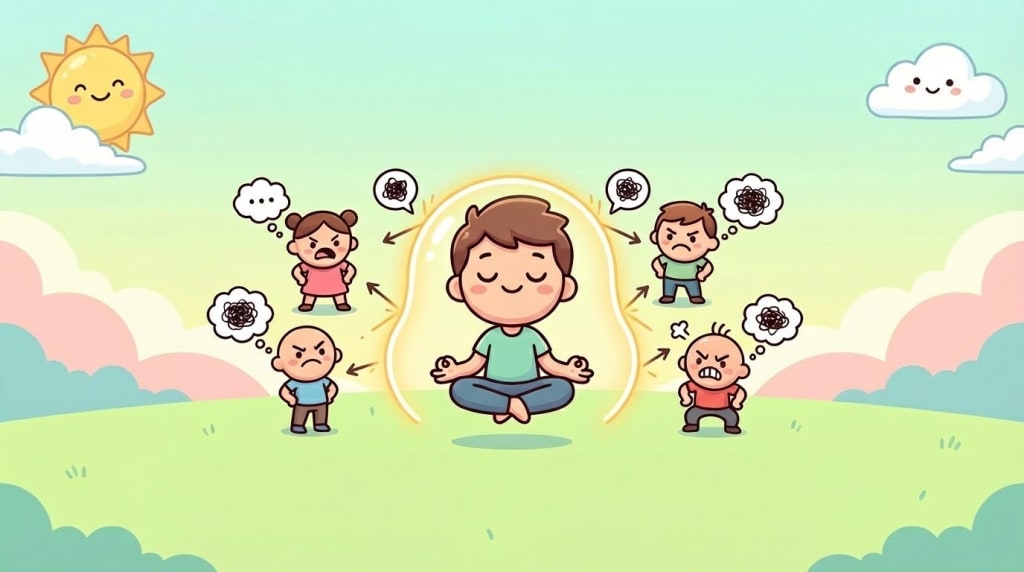
Have you ever noticed how one careless comment can ruin your entire day? A driver cuts you off, a coworker makes a sarcastic remark, or someone sends a cold message and suddenly, hours later, you’re still irritated. It feels automatic, uncontrollable. But neuroscience tells a different story.
Here’s the truth: the emotional surge we call anger only lasts about 90 seconds in the body. After that, what keeps it alive isn’t chemistry it’s thinking. We replay the moment, imagine better comebacks, and tell ourselves stories about disrespect or betrayal. The emotion fades, but the story feeds it back to life.
Understanding this changes everything.
You Are Not a Remote Control
People often say, “They really know how to push my buttons.” But buttons don’t work unless they’re connected to something. No one can trigger an emotion that doesn’t already have a wire inside you.
Those “buttons” are usually old wounds, unmet needs, or deeply held values. When someone triggers you, they aren’t creating the emotion they’re revealing it. A dismissive tone might echo a past experience of being ignored. A joke might reopen an old insecurity.
When you see this, you stop blaming others for your reactions and start reclaiming control. You are no longer a remote control reacting to every press. You become the operator.
What Anger Is Really Protecting
Anger often gets misunderstood. It feels powerful, loud, and decisive—but it’s rarely the real emotion. Anger is usually a bodyguard, protecting something more vulnerable underneath.
Hurt. Fear. Shame. Disappointment.
When someone criticizes you and you snap back, the anger is easier to feel than the hurt of not feeling valued. When a loved one forgets something important and you explode, the anger is masking the fear of not mattering.
Addressing anger alone keeps conflicts alive. Addressing the emotion beneath it opens the door to connection. “I felt ignored” invites understanding. “You never care” invites defensiveness.
The Space Where Freedom Lives
Between what happens to you and how you respond, there is a brief space. Most people don’t notice it but that space is where freedom lives.
In that moment, you can pause. You can choose not to send the message. You can take a breath before speaking. You can ask yourself one powerful question: “What response would I respect later?”
This choice point is the difference between reacting on impulse and responding with intention. People who seem calm under pressure aren’t emotionless they’re skilled at using this space.
Become the Observer, Not the Storm
Emotions feel overwhelming when we believe we are them. But there is a part of you that can observe without being swept away.
Instead of saying, “I’m angry,” try, “I notice anger rising.” That small shift creates distance. You’re no longer inside the storm you’re watching it pass.
From this observer position, emotions lose their power to hijack your behavior. You can feel everything without becoming everything.
Difficult People as Teachers
What if the most challenging people in your life aren’t there to break you but to train you?
The critical boss might be teaching resilience. The passive-aggressive friend might be pushing you to set boundaries. Each interaction becomes practice, not punishment.
This doesn’t excuse bad behavior but it does return your power. You stop asking, “Why are they doing this to me?” and start asking, “What skill is this situation asking me to build?”
Protecting Peace Without Building Walls
Healthy boundaries aren’t about shutting people out. They’re about deciding what you allow in.
You can be kind and firm. You can care without absorbing. You can say, “I want to talk about this, but not like this.” Boundaries protect your energy so you can show up better not disappear.
The Real Transformation
Emotional mastery isn’t about never getting triggered. It’s about recovering faster and choosing better.
Start small. Notice the 90 seconds. Find the pause. Watch the story. Practice one skill consistently.
Over time, what once controlled you will simply pass through you.
And one day, you’ll realize something powerful:
Other people didn’t change you did.
About the Creator
Keep reading
More stories from Akmal95Jr and writers in Motivation and other communities.
Norris Reaches His Biggest Dream And Win on His Own Terms
Lando Norris has long been one of the brightest and most captivating talents in Formula 1. Ever since he stepped into the sport, he has shown a rare combination of raw speed, technical awareness, and a personality that fans instantly connected with. But despite all the hype surrounding his potential, his journey to that long-awaited first victory was anything but simple. For years, supporters followed him through near-misses, heartbreaks, and races where he came painfully close to victory, only for circumstances to slip through his fingers. When the historic moment finally arrived, Norris described it as “a win I earned my way” a statement that captures not just the emotion of that day, but the essence of who he is as a driver.
By Akmal95Jrabout a month ago in Motivation
Looking back: 2025 was a beast
It's difficult to know how to start this. I've suggested that it's been a tough one from my title and in many ways, it has; however, there is an argument that it's not been that extraordinary at all, merely this wonderful thing we call "life" with all its climaxes and pitfalls.
By Rachel Deeming24 days ago in Motivation
Wild Card Weekend Recap: What Happens Now?
I think I figured out why I love Wild Card Weekend so much. It's because it's the first playoff anything of the calendar year. The NFL season starts in the fall, and once upon a time, the champion was crowned either on or slightly before New Year's. The evolution of the NFL schedule has resulted in the playoffs starting just into the New Year, and currently, the final week of the season falls on the first weekend of the New Year, with Wild Card Weekend coming a week after that. So yes, chronologically, the NFL's Wild Card Weekend serves as the first playoff anything of the calendar year.
By Clyde E. Dawkins3 days ago in Unbalanced



Comments
There are no comments for this story
Be the first to respond and start the conversation.