
How to Manage Your Time in 2025
How to Manage Your Time in 2025

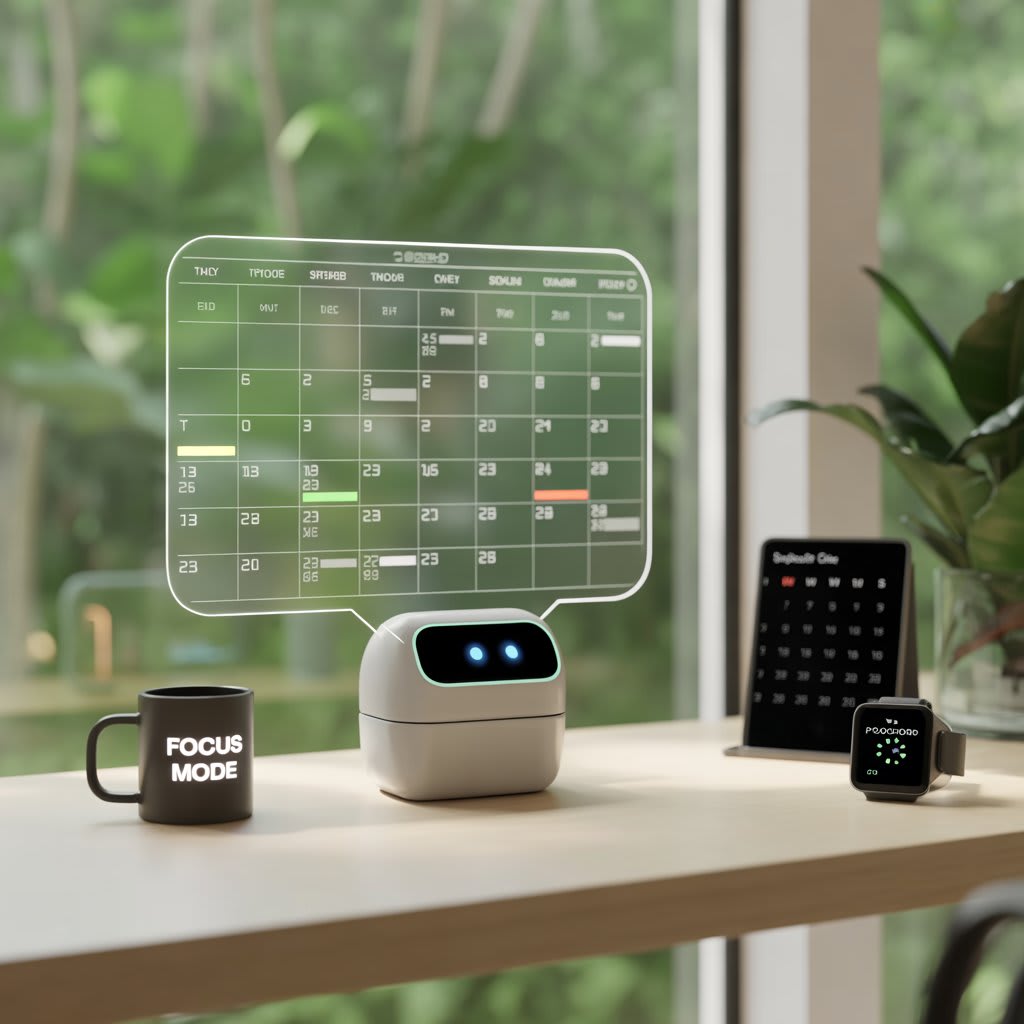
Managing time in 2025 isn’t just about checking off to-do lists—it’s about creating a lifestyle that supports clarity, creativity, and results. In a world run by AI tools, remote work, endless notifications, and side hustles, mastering time has become a survival skill. Success belongs to those who treat their hours like currency and invest them wisely.
The digital era has brought countless advancements, but also greater distractions. Time management in 2025 demands more than traditional routines—it requires adaptive systems, intentional planning, and the courage to say “no.” With the right mindset and tools, anyone can turn chaotic days into productive, balanced, and fulfilling experiences.
Why Time Management Matters More Than Ever
In 2025, personal and professional lines continue to blur. Students juggle online and offline learning. Freelancers work across time zones. Parents build careers while working from home. With so much overlap, efficient time management has become the key to staying grounded.
You no longer just manage your tasks—you manage your energy, your mental bandwidth, and your digital environment. Every minute counts. Those who don’t set boundaries end up overwhelmed, while those who do gain the freedom to achieve more with less stress.
Begin with Purpose-Driven Planning
Before you plan your week, define your priorities. What matters most this month? What are your non-negotiables? Time is easily wasted when your goals are unclear. The most productive people in 2025 use values-driven planning to stay on track.
Instead of reacting to every notification or task, they proactively build schedules that align with what truly matters. Use a Sunday night session to outline your weekly priorities. Categorize them into health, relationships, finances, and growth. Then structure your calendar around those.
Adopt the Power of Time Blocking
Time blocking is no longer just a productivity hack—it’s the gold standard in 2025. This method involves dedicating specific time slots to different types of work, reducing the mental clutter of multitasking. Morning hours can be for deep focus, afternoons for meetings, and evenings for family or rest.
Apps like Motion or Sunsama automate this process by scheduling tasks based on your focus levels and preferences. Whether you’re a creative, executive, or student, time blocking allows you to protect your energy and eliminate decision fatigue.
Use AI Tools to Automate Repetitive Tasks
The future of time management is AI-powered. Tools like Reclaim.ai, Notion AI, and Clockwise sync your calendars, suggest optimal focus hours, and even auto-schedule breaks based on your energy cycles. These tools prevent burnout and allow you to delegate minor decisions to smart systems.
From auto-generating reports to scheduling content, automations reduce human effort. In 2025, the most successful professionals aren’t the busiest—they’re the best at using technology to do the heavy lifting while they focus on strategic thinking.
Apply the 80/20 Rule to Everything
The Pareto Principle (80/20 rule) is more relevant in 2025 than ever before. It suggests that 80% of results come from 20% of your actions. Analyze your week and identify which tasks yield the most value. Double down on those, and either eliminate or delegate the rest.
If you’re an entrepreneur, your top-performing offers deserve most of your time. If you’re a student, focus on subjects that define your GPA. The smartest way to manage time is to focus only on what moves the needle—and let go of busywork.
Build a Distraction-Free Digital Workspace
Your environment either supports or sabotages your productivity. Digital clutter—too many tabs, apps, and notifications—kills focus. In 2025, it’s essential to create a distraction-free digital space. Use full-screen mode for work apps, silence notifications, and uninstall time-wasting apps during your focus hours.
Browser extensions like StayFocusd or Freedom limit access to distracting websites. Creating digital boundaries helps you stay in a state of flow longer, which is essential for completing meaningful work in less time.
Implement the Two-Minute Rule
A timeless technique gaining traction in 2025 is the two-minute rule. If a task takes less than two minutes, do it immediately. Replying to an email, scheduling a meeting, or noting an idea should not sit in your inbox.
This small rule prevents your task list from ballooning and builds momentum throughout the day. When done consistently, it clears your mental space and frees your focus for more significant priorities.
Break Work into Pomodoro Cycles
Pomodoro time cycles are still powerful in 2025. This technique involves working for 25 minutes followed by a 5-minute break. After four cycles, take a longer 15-30 minute break. These micro-sprints reduce fatigue and train your brain to maintain focus.
Incorporating this into your daily routine boosts mental agility and helps you track your productivity in a measurable way. Apps like Focus To-Do and Pomofocus provide smart timers and visual reminders that make the Pomodoro method seamless.
Learn to Prioritize Tasks with the Eisenhower Matrix
The Eisenhower Matrix is a timeless decision-making tool that helps you distinguish between what’s urgent and what’s important. In 2025, it’s an essential part of productivity training across industries.
Urgent tasks get immediate attention. Important but non-urgent ones are scheduled. Anything that’s not urgent or important is either delegated or deleted. Mastering this matrix keeps you focused on long-term goals instead of constantly reacting to pressure.
Use Visual Planners for Better Clarity
Modern time management is visual. Planners like Trello, ClickUp, or digital bullet journals are used in 2025 to visualize weekly and monthly timelines. Color-coded labels help categorize personal, professional, and self-care tasks.
Seeing your week at a glance prevents overlap, helps you balance commitments, and gives you a sense of accomplishment as you check things off. Visual planning is especially useful for neurodivergent individuals or creatives who prefer design-based thinking.
Create Theme Days for Focus and Flow
In 2025, many professionals use themed days to streamline their workload. For example, Mondays for planning, Tuesdays for deep work, Wednesdays for meetings, and Fridays for review. This reduces context switching and allows you to stay in one mental zone throughout the day.
Themed days work best when paired with consistent time blocks. If you’re a content creator, assign one day for writing, one for editing, and another for posting. This rhythm creates momentum and makes it easier to predict your week.
Track and Reflect Weekly for Better Results
The most overlooked time management habit is reflection. At the end of each week, spend 20 minutes reviewing what you accomplished, what distracted you, and where you improved. Use that data to adjust your approach for the next week.
Apps like Notion, Reflect, or Daylio allow you to track productivity patterns and journal your progress. Regular reflection builds self-awareness and gives you the insight to build better habits over time. Growth comes not from working harder—but from working wiser.
Prioritize Wellness and Recharge Time
Time management in 2025 goes beyond productivity—it includes energy, mental health, and rest. Smart professionals schedule rest just like work. This means daily movement, mindful breaks, screen-free evenings, and time spent doing what refuels your spirit.
A 15-minute walk, breathing exercise, or short nap can reset your focus. In this fast-paced world, rest isn’t laziness—it’s strategy. You can't pour from an empty cup, and no time management system works if your energy is consistently depleted.
Say “No” to Protect Your Time
One of the most powerful time-saving habits is the ability to say no. In 2025, declining unnecessary meetings, requests, or social obligations is a common practice among top performers. Every yes you give someone else is a no to your own goals.
If something doesn’t align with your priorities, it’s okay to respectfully decline. Boundaries create space for growth, focus, and peace. Use email templates or calendar blockers to manage expectations and protect your most productive hours.
Embrace Progress, Not Perfection
Time management in 2025 isn’t about being perfect—it’s about being consistent. You’ll have messy days and moments of distraction, and that’s okay. The goal is not to control every hour, but to be intentional with most of them.
Celebrate small wins. Adapt when things change. And always remember: it’s better to do 80% of your schedule with grace than aim for 100% and burn out. Consistency builds results, and compassion keeps you going.
Final Thoughts: Take Control Before Time Controls You
In 2025, those who control their time control their lives. With smarter tools, intentional planning, and healthy boundaries, you can create a life where your days reflect your values and your work reflects your potential. Time management isn’t about doing more—it’s about doing what matters.
So, how are you managing your time this year? Have you tried any of these methods, or do you have your own system that works? I’d love to hear your experience—what’s your biggest challenge or breakthrough in mastering time management in 2025?
About the Creator
Lana Rosee
🎤 Passionate storyteller & voice of raw emotion. From thoughts to tales, I bring words to life. 💫
Love my content? Hit Subscribe & support the journey! ❤️✨
Keep reading
More stories from Lana Rosee and writers in Motivation and other communities.
How to Convert Bad Habits into Good Habits
Habits are the invisible architecture of daily life. From brushing your teeth to scrolling endlessly on social media, habits define who you are and how you function. While good habits lead to productivity and well-being, bad habits often sneak in like uninvited guests, refusing to leave. But what if you could turn those negative patterns into positive rituals that serve your goals and dreams?
By Lana Rosee8 months ago in Motivation
The Allure of Indoor Rock Climbing
Indoor rock climbing has surged in popularity over the past decade, attracting enthusiasts of all ages and skill levels. From casual fitness seekers to serious athletes, people are discovering the physical and mental benefits of climbing in a controlled environment. Unlike outdoor climbing, indoor gyms provide a safe, accessible space to develop skills, push limits, and experience the thrill of reaching the top. The sport combines strategy, strength, and focus, making it a unique and rewarding way to stay active.
By Keith Brautigam6 days ago in Motivation
Stop Making Excuses. Someone Is Already Doing What You Think Is Impossible
The Brutal Truth About Excuses : Right now, somewhere in the world, someone with fewer advantages than you is doing the exact thing you believe is impossible. They might have less money. Less education. Less support. Yet they are moving forward while many others remain stuck in the same place — not because they lack potential, but because they are trapped in a cycle of excuses. Excuses are comforting. They protect us from failure and embarrassment. But they also quietly steal our potential. The uncomfortable truth is that the biggest obstacle for most people is not lack of ability. It’s hesitation.
By Shahid Zamana day ago in Motivation


Comments
There are no comments for this story
Be the first to respond and start the conversation.