
How Important Is Money To You?
Exploring the True Value of Wealth Beyond Dollars and Cents

Money — the silent engine of our lives. For some, it’s a means to survive. For others, it’s a scoreboard of success. And for many, it’s both a blessing and a curse. But the real question isn’t whether money is important — it’s how important it should be.
When I was younger, I believed money was the key to happiness. I grew up in a small neighborhood where the wealthier kids had the latest sneakers, ate at fancy restaurants, and traveled during school breaks. I thought that if I could just earn enough, I could live like them — free, happy, untouchable.
That belief stuck with me into adulthood. I studied hard, got a decent job, and chased every promotion like it was oxygen. My bank balance grew, but so did my anxiety. The more I earned, the more I wanted. A better phone. A bigger apartment. More stylish clothes.
But here’s the part no one told me: the finish line always moves. I’d buy something, feel a quick thrill, and then… nothing. Just an emptiness asking, “What’s next?”
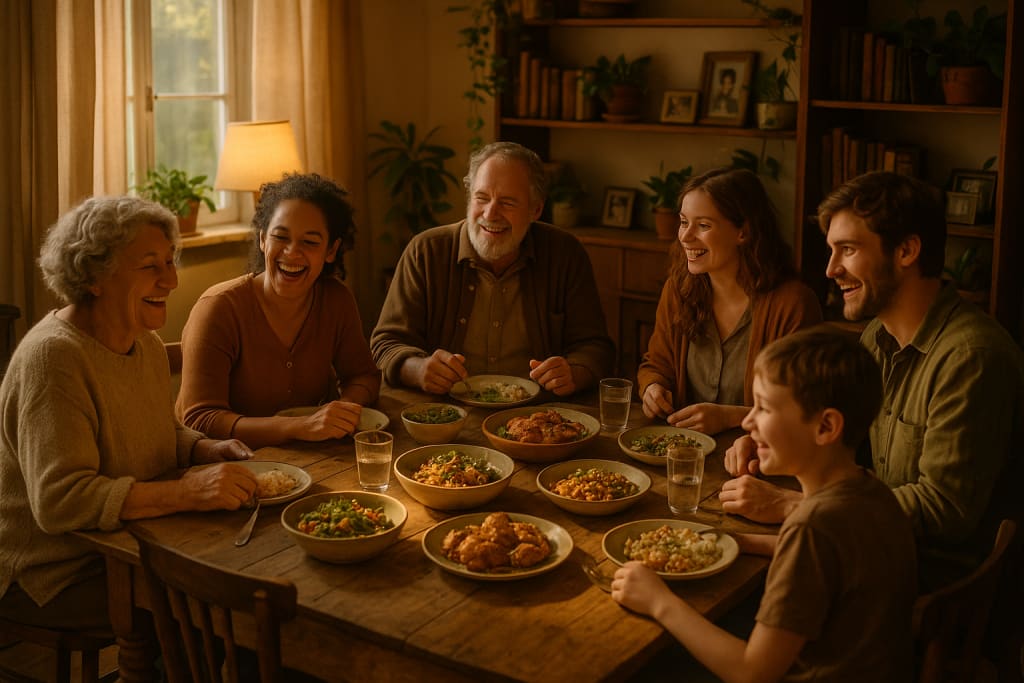
It wasn’t until my grandmother passed away that my perspective started to shift. She lived on a modest pension, never owned a car, and her furniture was older than me. Yet, her house was always full — not of expensive things, but of people. Family, friends, neighbors. Every Sunday, she hosted dinners with a table crowded with mismatched chairs, steaming dishes of homemade food, and laughter that spilled into the street.
When she was gone, we all realized something. She had left us nothing in terms of material wealth — no big inheritance, no luxury items — but she had given us something far more valuable: a sense of belonging, love, and the kind of memories you couldn’t buy.
That’s when I started questioning my relationship with money. I didn’t quit my job and move to a cabin in the woods — this isn’t one of those stories. I still work, still save, and still enjoy nice things. But I began to ask myself with every purchase: Is this adding to my life, or just filling a gap for a moment?
I started investing more in experiences than in possessions. Instead of upgrading my car, I used the money to travel with my parents before they got too old for long trips. Instead of chasing the latest gadget, I paid for guitar lessons, something I had always wanted to try. And instead of eating at the trendiest restaurant, I invited friends over and cooked.
Here’s what I learned: money is important — but only up to a point. Studies have shown that beyond a certain income level (enough to cover comfort, safety, and a little leisure), the link between money and happiness flattens. More doesn’t necessarily mean better; it just means… more.
Money can give you choices. It can give you security. But it can’t give you meaning, purpose, or love. Those come from connections with people, from using your time in ways that matter, and from pursuing things that make you feel alive.
One evening, I was sitting with an old friend, talking about life. He asked me, “If you lost all your money tomorrow, what would you still have?” At first, the question scared me. But then I thought about it: I’d still have my family, my friends, my health (hopefully), my skills, and my memories. And that realization was strangely freeing.
Because here’s the thing: money is a tool, not the destination. If we treat it as the measure of our worth, we’ll never feel “rich” enough. But if we treat it as a resource to build the kind of life we value, then even a modest amount can feel like wealth.
So, how important is money to me now? Important enough to respect it, but not enough to let it define me. I see it as the fuel for the journey, not the destination itself. The best things I’ve ever had — laughter with friends, quiet mornings with coffee, a hug from someone I love — cost nothing at all.
And maybe that’s the secret: when you stop making money the center of your life, you finally start feeling truly wealthy.
About the Creator
WAQAR ALI
tech and digital skill
Keep reading
More stories from WAQAR ALI and writers in Motivation and other communities.
The Seed For Success & Failure Is Born In Everyone
The seeds of failure and success are born in all of us, and both are watered by what we were taught as children. As we grow and mature, our actions, choices, decisions, and intentions provide sustenance, along with fate, destiny, and what we want. Then one will take over! Annelise Lords
By Annelise Lords 5 days ago in Motivation




Comments
There are no comments for this story
Be the first to respond and start the conversation.