
Factors Affecting Hypertension: Key Influences
Hypertension, or high blood pressure, is a common health issue affecting millions globally.
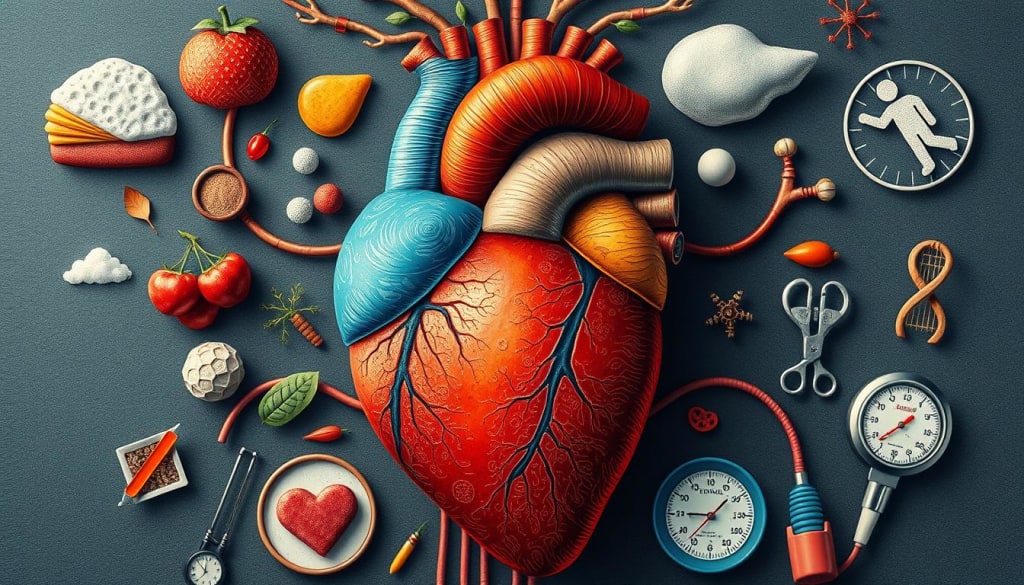
Factors Affecting Hypertension: Key Influences
High blood pressure, or hypertension, is a big health issue worldwide. It affects millions of people. Knowing what can change blood pressure is key to good heart health. This article will look at the main things that can affect blood pressure. It aims to help readers manage their hypertension better.factors affecting hypertension:A detailed illustration of a human
Key Takeaways
Lifestyle factors, such as diet, exercise, and stress management, play a significant role in regulating blood pressure.
Dietary choices, particularly sodium and salt intake, can have a profound impact on hypertension.
Non-modifiable factors, including age, family history, and body weight, also contribute to the development of high blood pressure.
Stress and its management can greatly influence an individual's blood pressure levels.
Genetic factors can predispose certain individuals to hypertension, highlighting the importance of regular checkups and monitoring.
Understanding Hypertension: What Is It and Why It Matters
Hypertension, or high blood pressure, is a common health issue affecting millions globally. It happens when blood pressure against artery walls is too high. This puts a lot of strain on the heart and blood vessels.
Definition and Prevalence
Hypertension is when your blood pressure is 130/80 mmHg or higher. The CDC says nearly half of U.S. adults have it, but many don't know.
Health Risks Associated with Hypertension
High blood pressure can cause serious health problems. These include cardiovascular disease, stroke, and kidney disease. People with hypertension are at higher risk for heart attacks and heart failure.
Managing blood pressure is key to staying healthy. It's important to understand hypertension and its risks. This knowledge helps in taking steps to control high blood pressure.Lifestyle Factors Influencing Blood PressureYour daily habits and lifestyle choices can greatly affect your blood pressure. From exercise to stress management, many factors play a big role in your heart health. Let's look at how these lifestyle choices can impact your blood pressure and what you can do to stay healthy.
Exercise and Blood Pressure
Regular physical activity is a key way to manage blood pressure. Activities like brisk walking, jogging, or cycling can lower your blood pressure. They make your heart work better and reduce blood vessel strain.
Stress Management and Hypertensio
Chronic stress can raise your blood pressure. Stress hormones can increase your blood pressure. Techniques like meditation, deep breathing, or yoga can help manage stress and keep your blood pressure stable.
Alcohol Consumption and Hypertension
Too much alcohol can lead to high blood pressure. Drinking in moderation or avoiding alcohol can help lower your blood pressure. It also reduces the risk of hypertension-related health problems.
Smoking and Hypertension
Smoking can also affect your blood pressure. Quitting or avoiding smoking can improve your heart health and lower your blood pressure.
Lifestyle Factor Impact on Blood Pressure
Regular Exercise Lowers blood pressure by improving heart efficiency and reducing strain on blood vessels
Stress Management Helps regulate blood pressure by reducing the release of stress hormones
Moderate Alcohol Consumption Can help lower blood pressure when consumed in moderation
Quitting Smoking Improves cardiovascular health and can lead to a reduction in blood pressure
By choosing wisely about your lifestyle factors, you can manage your blood pressure and lower your risk of heart problems. Remember, even small changes can greatly improve your heart health.Dietary Choices and Their Impact on Hypertension
Keeping a healthy diet is key to managing high blood pressure. Two important parts of our diet are sodium intake and healthy eating habits.
Sodium and Salt Intake
Too much sodium can raise blood pressure. Studies show cutting down on sodium can lower blood pressure. Aim for no more than 2,300 milligrams of sodium a day. For those with high blood pressure, try to stay under 1,500 milligrams.
To control sodium, read food labels, avoid processed foods, and choose fresh ingredients. Use herbs, spices, and lemon juice instead of salt to add flavor without sodium.
Healthy Eating Habits
Eat more fruits, vegetables, and whole grains for nutrients and fiber that help with blood pressure.
Pick lean proteins like poultry, fish, and legumes over fatty meats.
Reduce saturated and trans fats to lower hypertension risk.
Drink plenty of water to stay hydrated.
By changing your diet and eating healthier, you can manage your blood pressure. This can also lower your risk of hypertension-related health issues.Food Item Sodium Content (mg per serving)
Canned Soup 800-1,200
Processed Meats (e.g., bacon, sausage) 350-450
Fast Food Burger 900-1,100
Canned Vegetables 200-400
Fresh Fruits and Vegetables 0-50
The table shows how much sodium is in processed foods versus fresh foods. Choosing fresh foods can greatly reduce sodium intake and help keep blood pressure healthy.
Non-Modifiable Factors Affecting Hypertension
Many factors contribute to high blood pressure, but some are beyond our control. These non-modifiable factors are key to understanding and managing this health issue.
Age and Family History
Our risk of high blood pressure goes up as we get older. Age is a major risk factor, with most older adults affected. Also, having a family history of hypertension increases your risk.
Weight and Body Mass Index
Weight and body mass index (BMI) affect blood pressure. While we can manage our weight, genetics often play a part. Studies show a clear link between higher weight or BMI and blood pressure.
While lifestyle choices matter, non-modifiable factors like age, family history, weight, and BMI are crucial. Knowing these can help in preventing and managing high blood pressure.
Stress and Its Impact on Hypertension
Stress is a big factor in high blood pressure. It can really hurt our heart health. This can lead to high blood pressure and serious health problems.
When we're stressed, our body goes into fight-or-flight mode. This means our blood vessels get smaller and our heart works harder. This can make our blood pressure go up. If we're stressed a lot, it can cause long-term high blood pressure.
But, there are ways to deal with stress and keep our blood pressure down. Exercising regularly, meditating, and having a good work-life balance can help. These activities can make us feel better and keep our blood pressure healthy.
Also, talking to a therapist can help a lot. They can teach us how to handle stress better. By finding ways to deal with stress, we can keep our heart healthy and avoid serious problems.
"Stress is not something that can be eliminated entirely from our lives, but with the right strategies, we can learn to manage it effectively and protect our overall health."
It's important to make stress management a part of our daily life. Taking care of ourselves and using proven ways to cope can help. This way, we can keep our blood pressure in check and feel better overall.
Genetic Factors and Hypertension
Genetics can greatly affect a person's risk of getting high blood pressure, or hypertension. Family history and genetic predisposition are key in this area.
Research shows that people with a family history of hypertension are more likely to get it too. This is because some genetic factors make them more prone to high blood pressure. This is true even if they eat well and exercise regularly.
Also, certain genetic variations can make someone more likely to get hypertension. These genes can be passed down from parents to their kids. This leads to a pattern of high blood pressure in families.
Genetic Factor Impact on Hypertension
Renin-Angiotensin-Aldosterone System (RAAS) Genes Regulates blood pressure, genetic variations can disrupt this system and lead to hypertension.
Adrenergic Receptor Genes Involved in the regulation of blood pressure, genetic variations can contribute to hypertension.
Sodium-Handling Genes Responsible for sodium and fluid balance, genetic variations can affect this process and increase blood pressure.
It's crucial to remember that genetic factors don't mean you'll definitely get hypertension. What you eat and how much you exercise also matter a lot. But, if you have a family history of hypertension, watch your blood pressure closely. Try to live a healthy lifestyle to reduce your risk.
Conclusion
Hypertension, or high blood pressure, is influenced by many factors. Lifestyle choices like diet and exercise play a big role. So do non-modifiable elements like age and genetics.
By choosing healthy foods and staying active, you can help keep your blood pressure in check. Also, managing stress in a healthy way is important. Regular health check-ups can uncover genetic or family history factors that might affect your blood pressure.
Managing blood pressure well requires a mix of lifestyle changes and medical advice. This approach helps protect your heart and lowers the risks of hypertension. Remember, taking care of your heart is up to you. Start making healthy choices today.
FAQ
What are the key factors that can influence the development of hypertension?
Several factors can affect blood pressure. Lifestyle choices like diet, exercise, and managing stress are important. Age, family history, and genetics also play a role.
How does diet impact blood pressure levels?
Diet is crucial for blood pressure. High sodium can raise blood pressure. But, eating fruits, vegetables, and whole grains can help keep it healthy.
What is the relationship between stress and hypertension?
Stress can increase blood pressure and risk of hypertension. Managing stress through exercise, meditation, and relaxation can help control blood pressure.
How do non-modifiable factors like age and family history affect hypertension?
Age and family history can raise the risk of hypertension. As people get older, their risk grows. A family history of high blood pressure also increases the risk.
What are some lifestyle changes that can help manage hypertension?
A healthy lifestyle is key to managing blood pressure. Regular exercise, a healthy weight, and a balanced diet are important. Limiting alcohol and quitting smoking also helps.
About the Creator
Keep reading
More stories from Mayowa Clement and writers in Motivation and other communities.
What is the Best Investment Advice for a 26-Year-Old Earning 70,000 INR per Month
At the age of 26, receiving a monthly income of 70,000 INR is an impressive accomplishment. This financial benchmark paves the way for numerous opportunities in investing and wealth accumulation. Nevertheless, exploring the investment field can feel overwhelming, particularly for young professionals who might lack extensive experience in financial management. In this blog post, we will delve into the top investment recommendations particularly suited for a 26-year-old earning 70,000 INR each month, discussing different investment options, strategies, and advice to assist you in establishing a stable financial future.
By Mayowa Clementabout a year ago in Education
One Hard Thing
Stop me if you’ve heard this one before: You have the number, you know your schedule- you’ve even picked out the perfect day and time to make this appointment. Shoot, you’ve even picked out alternative days and times just in case their schedules can’t accommodate you!
By Taylor Rigsby4 days ago in Motivation




Comments
There are no comments for this story
Be the first to respond and start the conversation.