
Effective Techniques for Managing Stress and Anxiety: From Mindfulness to Time Management
Exploring Relaxation Techniques, Sleep Management, and Mindfulness Practices for Achieving Emotional Well-being

Summary:
Managing stress and anxiety is important for maintaining overall physical and mental well-being. Several effective techniques can be used to manage stress and anxiety, including relaxation techniques, time management, and good sleep habits.
Exercise:
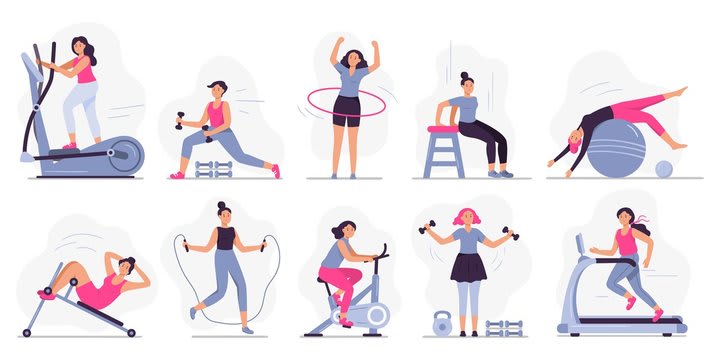
- Regular physical activity can help reduce stress and anxiety by releasing endorphins, which are chemicals in the brain that improve mood and reduce stress.
Releasing Endorphins:
- Exercise releases endorphins, which are chemicals in the brain that improve mood and reduce stress.
Improving Sleep:
- Regular exercise can help improve sleep quality, which can be beneficial for reducing stress and anxiety.
Reducing Tension:
- Physical activity can help to reduce muscle tension, which can be a common symptom of stress and anxiety.
Giving You a Distraction:
- Exercise can provide a distraction from stressors and worries, allowing you to focus on something else for a while.
Relaxation Techniques
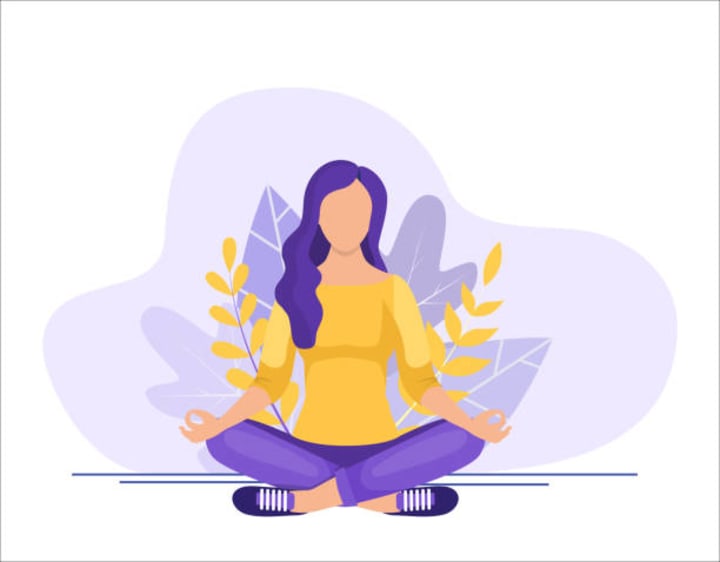
- Techniques such as deep breathing, meditation, and yoga can help calm the mind and reduce anxiety.
Deep Breathing:
- Deep breathing exercises can help to slow down the heart rate and reduce muscle tension.
Progressive Muscle Relaxation:
- Progressive muscle relaxation involves tensing and then relaxing different muscle groups, which can help to reduce muscle tension and improve relaxation.
Yoga:
- Yoga combines physical postures, breathing exercises, and meditation, which can help to reduce stress and anxiety.
Meditation:
- Meditation involves focusing the mind on a particular object, thought, or activity to increase awareness and reduce stress and anxiety.
Time Management:
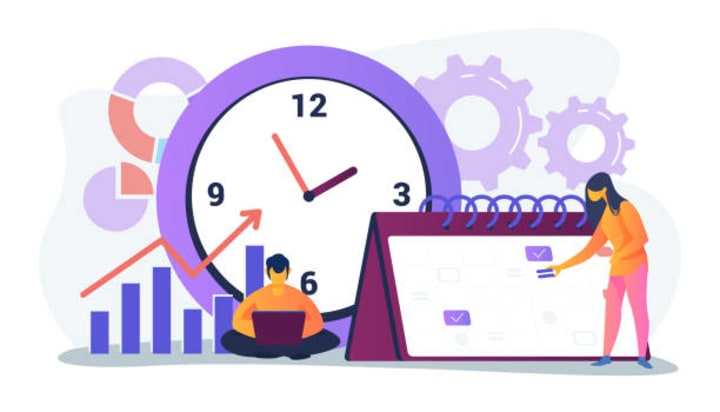
- Prioritizing tasks, setting realistic goals, and learning to say "no" can help reduce stress by making it easier to manage time and responsibilities.
Prioritizing Tasks:
- Identifying which tasks are most important and focusing on them first can help to reduce stress by ensuring that the most important tasks are completed.
Setting Realistic Goals:
- Setting goals that are attainable and within your control can help to reduce stress by providing a sense of accomplishment and a clear direction.
Learning To Say "no":
- Saying "no" to non-essential activities can help to reduce stress by allowing you to focus on the most important tasks and responsibilities.
Creating a Schedule:
- Creating a schedule for your day, week or month can help you to stay organized and on track, reducing stress and anxiety caused by feeling overwhelmed.
Good Sleep:
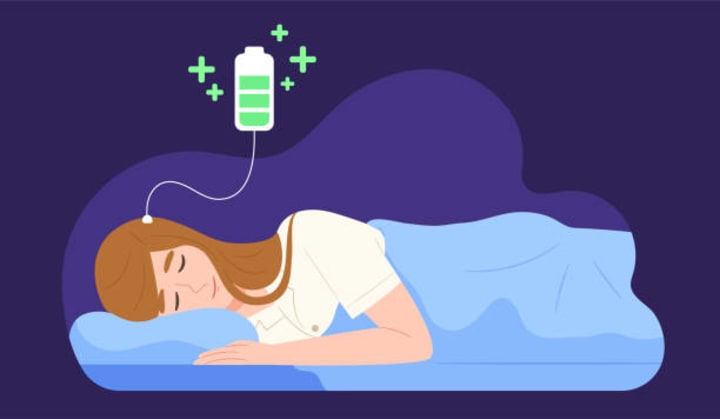
- Getting adequate sleep can help reduce stress and anxiety by allowing the body and mind to rest and recharge.
Establishing a Consistent Sleep Schedule:
- Going to bed and waking up at the same time every day can help regulate the body's internal clock and improve sleep quality.
Creating a Bedtime Routine:
- Establishing a bedtime routine, such as reading or listening to calming music, can help signal to the body that it's time to sleep.
Keeping the Bedroom Dark, Cool and Quiet:
- A dark, cool, and quiet environment can help create optimal conditions for sleep.
Avoiding Caffeine and Alcohol:
- Consuming caffeine and alcohol can interfere with sleep, so it's best to avoid them at least a few hours before bedtime.
Mindfulness:
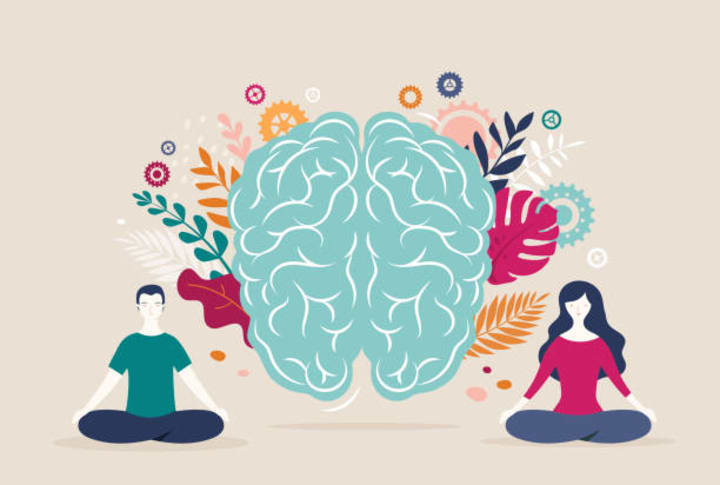
- Mindfulness practices such as meditation, yoga, or tai chi can help individuals stay in the present moment, which can help reduce stress and anxiety.
Mindfulness-based Stress Reduction (MBSR):
- MBSR is a program that teaches individuals how to be more present in their daily lives and how to respond to stress more healthily.
Mindfulness-based Cognitive Therapy (MBCT):
- MBCT is a therapy that combines mindfulness and cognitive therapy to help individuals with anxiety and depression.
Mindful Breathing:
- Mindful breathing is a mindfulness practice that involves paying attention to the breath as it goes in and out to help focus the mind and reduce stress and anxiety.
Body Scan:
- Body scan is a mindfulness practice that involves focusing attention on different parts of the body to release tension and improve relaxation.
Conclusion:
In conclusion, managing stress and anxiety is an ongoing process that requires a combination of self-care and professional support. Some effective strategies for managing stress and anxiety include exercise, mindfulness practices, and cognitive-behavioral therapy.
About the Creator
Keep reading
More stories from Dinesh Kumar Mani and writers in Motivation and other communities.
The Benefits of Moderate Alcohol Consumption: Improved Heart Health, Reduced Inflammation, and More
Summary: Moderate drinking refers to the consumption of alcohol in amounts that are considered safe and beneficial for overall health. This typically includes one to two drinks per day for men and one drink per day for women. For a standard drink, it is defined as 12 ounces of beer, 5 ounces of wine, and 1.5 ounces of spirits. It's important to note that excessive alcohol consumption can lead to negative health effects and should be avoided.
By Dinesh Kumar Mani3 years ago in Longevity
Suraj Shivbaran Singh: Driving Business Success Through Marketing Strategy and Client Engagement
Suraj Shivbaran Singh is an Indian sales and marketing professional recognized for his expertise in business development, marketing strategy, and customer relationship management. His career highlights a strong commitment to helping organizations expand their reach, strengthen brand identity, and connect effectively with clients through strategic marketing initiatives.
By Thetribunemedia4 days ago in Motivation
Becca
"Everything is so... flat." Denille said stupidly as she looked around her new neighborhood. She looked around at the muted desert where even the smallest sign of life seemed to have given up. The plant life was shrubs that were half cooked by the heat and where there should have been a lawn, a mess of white rocks laid glistening in the sun. Even the sky looked stretched thin, like the sun had ironed it smooth. She’d moved from Riverside, where at least there were hills, but here in Barstow, everything felt baked and brittle.
By Sara Wilson7 days ago in Fiction


Comments
There are no comments for this story
Be the first to respond and start the conversation.