
"Creating and Sticking to a Budget: My Story"
"How I Took Control of My Finances and Found Freedom"

Introduction
I used to avoid checking my bank account like it was a horror movie. Every swipe of my card was followed by a silent prayer, and every end-of-month bill brought a wave of anxiety. I wasn’t living extravagantly, but I also had no clue where my money was going. My financial habits were a mix of wishful thinking and impulse purchases, and I constantly found myself scrambling to get by.
The turning point came one rainy Tuesday when my debit card was declined—for a $3 coffee. Embarrassed and frustrated, I realized it was time to stop guessing and start planning. That’s when I began my personal budgeting story, and it changed everything. If you're wondering how to create a budget that actually works and how to stick to it, here’s my real experience—what worked, what didn’t, and how you can do it too.
Why I Needed a Budget
Before budgeting, my approach to money was chaotic. I lived paycheck to paycheck, didn’t track expenses, and thought saving money was something I’d “do later.” I avoided conversations about financial planning because they felt overwhelming and out of reach.
Things hit rock bottom when I overdrafted my account three times in one month. It wasn’t just financially damaging—it was emotionally exhausting. I felt out of control, ashamed, and stuck. That moment forced me to confront my habits and start building a plan. I didn’t want to feel like a victim of my own spending anymore—I wanted financial freedom.
How I Created My Budget
Creating a budget from scratch was intimidating at first, but once I broke it down into small steps, it became manageable. Here's exactly what I did:
1. Tracked Every Expense
For one month, I wrote down every single expense—yes, even the $2 gum. This helped me understand where my money was actually going. Spoiler: I was spending way more on food delivery than I thought.
2. Chose the Right Tools
I started with a simple monthly budget planner using Google Sheets. Eventually, I switched to the Mint app for automated tracking, and later experimented with YNAB (You Need A Budget), which really helped with saving money every month through goal setting.
3. Created Categories That Fit My Life
I broke my budget into clear categories: Rent, Utilities, Groceries, Transportation, Debt Payments, and Fun. I made sure to include a small buffer for unexpected costs—because life happens.
4. Prioritized Needs Over Wants
The hardest part was cutting back on non-essentials. I gave myself limits for dining out and online shopping but didn’t eliminate them entirely. A restrictive budget is hard to maintain. The key was simple financial planning steps that still allowed for joy.
Sticking to the Budget
Making a budget is the easy part—staying consistent with a budget is the real challenge. Here’s what helped me keep it up:
1. Weekly Check-Ins
Every Sunday, I spent 15 minutes reviewing my spending. It helped me course-correct before things spiraled and kept me aware of my habits.
2. Visual Goals
I created a visual savings tracker for paying off my credit card debt. Seeing progress kept me motivated and reminded me why I started.
3. Accountability Partners
I told a close friend about my goals and we started monthly “money talks” over coffee. Having someone to share wins and setbacks with made budgeting feel less lonely.
4. Automated Savings
Even when I could only spare $20, I set up automatic transfers into a savings account. It added up quickly and made saving money every month a habit instead of an afterthought.
Challenges I Faced and How I Overcame Them
There were definitely bumps along the way. I struggled with FOMO—missing out on dinners and trips my friends were taking. Sometimes I slipped and overspent.
The key was not giving up after one mistake. I viewed each setback as part of the learning curve. I adjusted my budget monthly to reflect reality, not perfection. If I overspent in one category, I reduced spending in another. Budgeting mistakes and fixes became part of the process—not the end of it.
What I’ve Learned + Tips for Others
Top Lessons:
Awareness is everything. Until you know where your money goes, you can’t control it.
Start small. A simple budget is better than none.
Progress over perfection. One bad week doesn’t ruin your journey.
Celebrate milestones. Paid off a credit card? Treat yourself (within reason).
Your budget is a living document. Adjust it as your life changes.
If you're just starting out, don’t aim for the perfect plan. Begin by tracking your expenses and identifying one small change you can make. Use tools that simplify the process, and don’t be afraid to make your budget personal—it should reflect your values, not just your bills.
Conclusion / Call to Action
Budgeting turned my financial chaos into clarity. It helped me reduce debt, grow savings, and feel in control of my future. It wasn’t easy, but it was worth every uncomfortable moment.
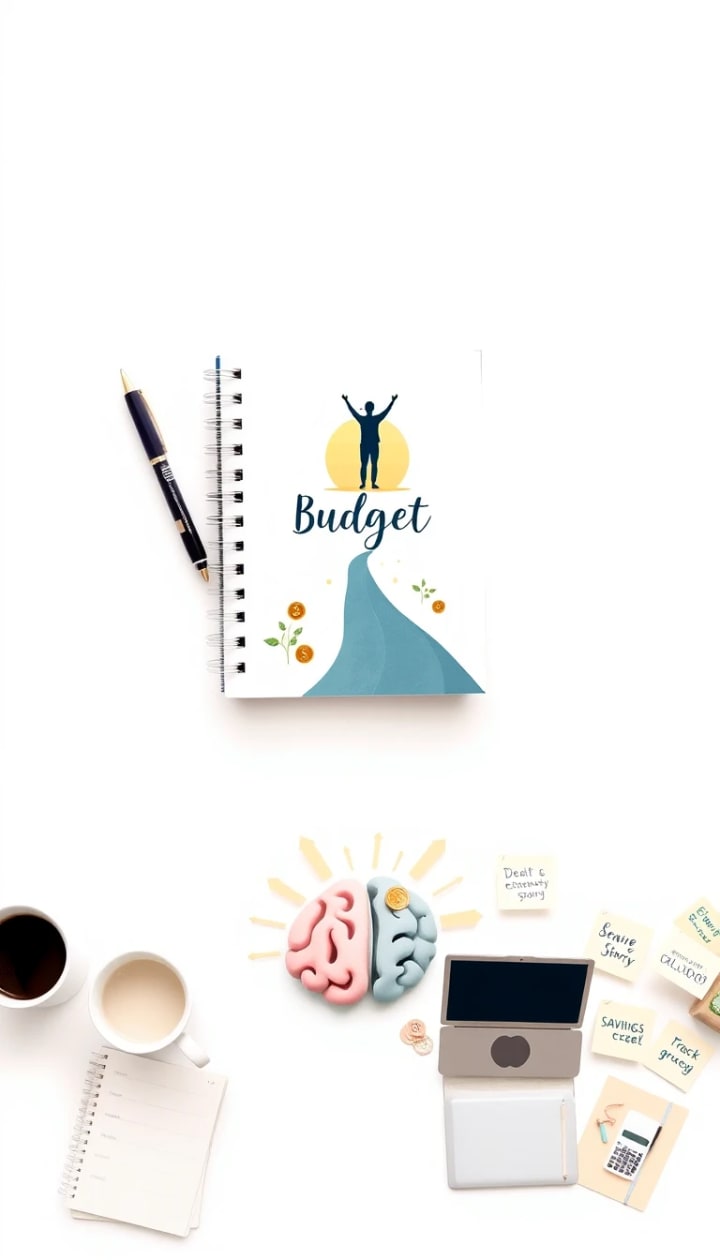
If you're on the fence about starting your own budget, take the first step today—track your spending for one week. That’s all it takes to start your personal finance journey.
I'd love to hear your experiences. Are you starting a budget? Have tips of your own? Share your real budgeting story—let’s grow and learn together.
About the Creator
Shamshair Khan Hasan Zai
I share content on health, business, travel, motivation, and simple ways to earn money—focused on hope growth, and practical advice to help you live a better, more successful life.
Keep reading
More stories from Shamshair Khan Hasan Zai and writers in Motivation and other communities.
"From Broken to Brave: A True Story of Hope"
From Broken to Brave: A True Story of Hope Introduction We all encounter moments in life when we feel utterly broken — when the weight of adversity threatens to crush our spirit, and hope seems like a distant dream. Feeling broken is a universal experience, a raw and painful chapter that many endure but few talk about openly. Yet, within the depths of that brokenness lies a powerful opportunity: the chance to become brave.
By Shamshair Khan Hasan Zai10 months ago in Motivation
Small Decisions, Big Growth: Navigating Adulthood at the Supermarket
Whenever I step into the supermarket, I’m instantly drawn to the produce aisle. The air is cool, infused with a gentle citrus aroma that drifts around the vibrant displays of fruit. I pause, listening to the soft clink of baskets as shoppers weave past. Apples have always been my favourite snack—the ritual of choosing a few is one I rarely skip. As I reach out, the skin of an apple is slick with condensation and promises a satisfying crunch.
By Sarah Xenos5 days ago in Motivation


Comments (1)
*"If you liked my story, kindly tap the heart (❤) button. Your support keeps me inspired to write more!"*