
Conversations Within: The Power and Purpose of Self-Talk
Self-talk, is it normal?

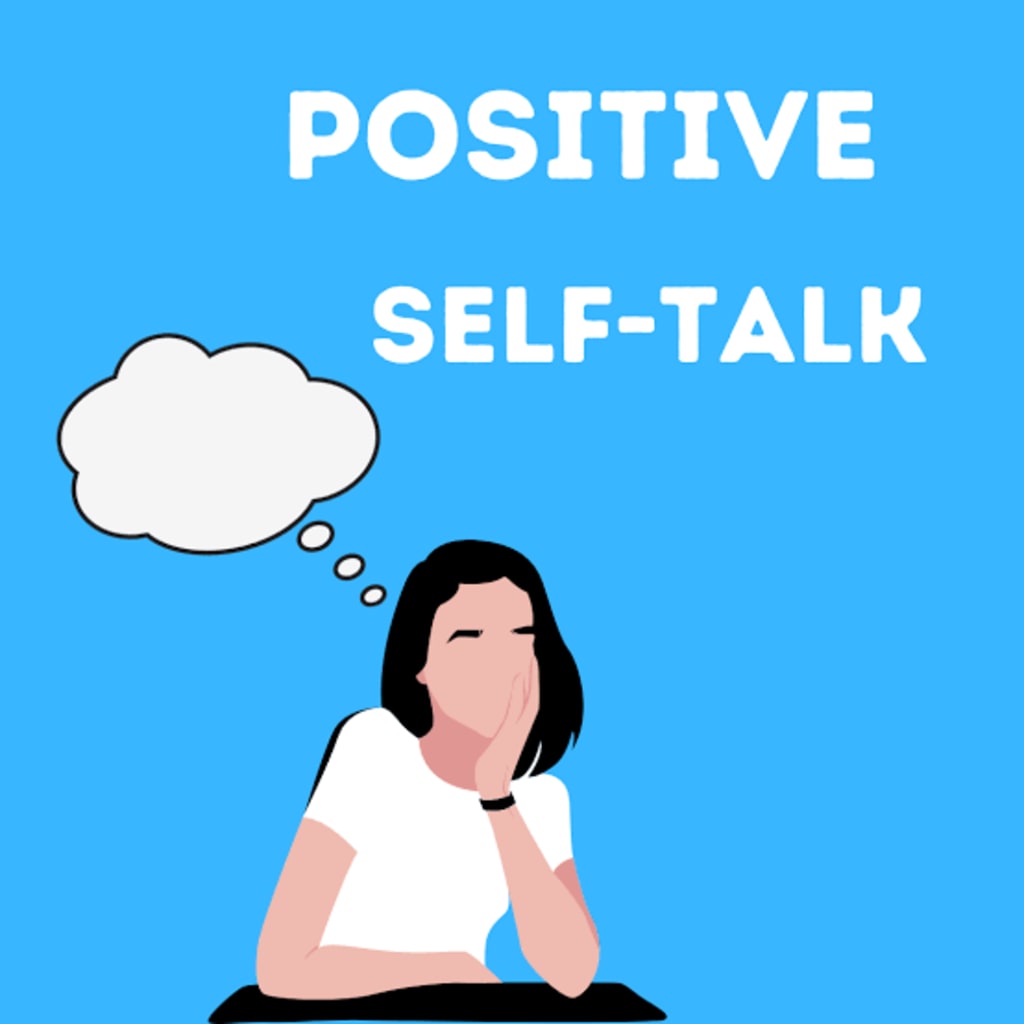
As you stand before the mirror, toothbrush in hand, a sudden thought strikes you - "I need a haircut... unless?" Hastily leaving the house, your hand reaches for the familiar jingle of keys, only to find emptiness. Frustration boils over, and you exclaim, "I can't do anything right!" But just in time, your gaze shifts, and you spot your neighbor observing you. The embarrassment of being caught in this monologue washes over you. Society sometimes labels self-talk as a sign of instability, yet decades of psychological research reveal its naturalness. It turns out, talking to oneself is not just normal, but an essential aspect of human behavior.
Dubbed as inner speech or self-talk, it's the silent narration that echoes within your mind, different from recalling facts or imagining scenarios. This vocalized self-dialogue is a conversation with yourself or about different aspects of your life. From simple personal reflections like "I need to improve my free throw" to everyday contemplations such as "The gym is crowded today; I'll return tomorrow," this self-conversation serves various purposes. Interestingly, while most self-talk is internal, speaking out loud is also part of this phenomenon, as seen in children who chatter while at play.
Originating in the vocalized dialogues of childhood, self-talk evolves, shifting from external discussions to internal musings. These inner discussions become invaluable tools, aiding in planning, navigating challenges, and fostering motivation. However, comprehending self-talk poses challenges as it's a spontaneous behavior often executed without conscious intention. Researchers continue to explore questions such as why some people engage in more self-talk than others, what brain areas are active during self-dialogue, and how this differs from typical conversation.
Regardless, the influence of self-talk on attitude and performance is undeniable. Self-dialogue that's motivational or instructional enhances focus, self-esteem, and task accomplishment. Consider collegiate tennis players who improved concentration and accuracy by integrating instructional self-talk during practice. Paralleling conversations with friends that alleviate stress, conversing with oneself can aid emotional regulation. The concept of distanced self-talk involves addressing oneself as if in dialogue with another person. Shifting from "I'll conquer this exam" to "Caleb, you're prepared for this test!" proves particularly beneficial in reducing stress during anxiety-inducing situations like public speaking.
However, the spectrum of self-talk holds both positive and negative potential. Constructive self-dialogue empowers, but persistent negative self-talk can be toxic. While self-criticism surfaces occasionally, excessive negativity breeds harm. Heightened negative self-talk in children and adults is often linked to anxiety, while incessant self-blame and rumination amplify feelings of depression.
Enter cognitive behavioral therapy (CBT), a psychological approach aimed at tempering the tone of self-talk. Cognitive behavioral therapists equip individuals with strategies to identify negative thought patterns and substitute them with impartial or compassionate reflections. Over time, these techniques bolster mental well-being, highlighting the therapeutic potential of managing self-talk.
So, as you engage in inner conversations, remember the importance of kindness. The inner voice accompanying you throughout life is a loyal companion, shaping your perceptions and emotions. Embrace its potential and nurture a positive self-dialogue that resonates with growth and understanding.Self-talk, the silent dialogue within, is more than mere words—it's a guiding force. It shapes attitudes, propels action, and nurtures resilience. Positive self-talk elevates confidence, aids focus, and fuels motivation. Like a trusted friend, it offers solace during stress, enhancing emotional balance. On the other hand, unchecked negativity can breed self-doubt and hinder progress. Cognitive behavioral therapy harnesses self-talk's power to foster mental well-being. Recognizing its impact is the first step towards harnessing its potential. Embrace self-talk consciously, for its influence ripples through every aspect of life, steering thoughts, decisions, and growth.
About the Creator
Andra Ama
A multi-talented writer, speaker, and beauty entrepreneur, who crafts compelling narratives. With a passion for creativity, self-expression, and positive change, has left a significant impact in various fields.
Keep reading
More stories from Andra Ama and writers in Motivation and other communities.
The Last Voice Message
It was a quiet Sunday evening when Daniel’s phone vibrated on the kitchen table. He had just returned home after a long day at work, the kind of day that left your mind empty and your body tired. Outside, the sky was fading into deep shades of blue, and the city lights were slowly flickering on. Daniel poured himself a cup of coffee and glanced at his phone. 1 New Voice Message. The notification made him pause. He frowned slightly when he saw the sender's name. Lucas. Daniel’s heart skipped. Lucas had been his best friend since childhood. They had grown up together, shared secrets, dreams, and countless late-night conversations. But Lucas had died three days ago. A car accident on a rainy highway. The kind of sudden tragedy that leaves people staring at the floor during funerals, unsure what words could possibly make sense. Daniel had stood there at the funeral home, staring at the closed casket, trying to convince himself it wasn’t real. And now… A voice message from Lucas. Daniel stared at the screen, his coffee forgotten. Maybe it was an old message delayed by the network. Maybe Lucas had sent it earlier and it only just arrived. That had to be it. Still, his hands felt strangely cold as he pressed play. For a moment, there was only static. Then a familiar voice spoke. “Hey, Daniel… if you're hearing this, something probably went wrong.” Daniel froze. Lucas’s voice sounded calm, but there was something unusual in it. A strange heaviness. “I’m recording this because… well, I have a feeling something bad might happen tonight.” Daniel felt his chest tighten. Lucas continued. “You know how I always trust my gut. And right now it’s screaming at me.” A quiet laugh followed. “But you’ll probably call me dramatic.” Daniel remembered saying exactly that many times. Lucas had always been the intuitive one. The message continued. “I’m driving back from the lake house right now. It’s raining pretty hard, and the roads are terrible.” Daniel’s grip on the phone tightened. The accident had happened on that same road. Lucas paused for a few seconds before speaking again. “I didn’t want to call because I’d probably just sound paranoid. But there are things I’ve been meaning to say for a long time.” The rain could be heard faintly in the background of the recording. “First… thank you.” Daniel blinked, confused. “For sticking by me all these years. You’re more than a friend, man. You’re family.” Daniel swallowed hard. Lucas’s voice softened. “I know I don’t say stuff like this often, but you deserve to hear it.” Daniel suddenly felt a deep ache in his chest. The kind of ache that only comes from words that arrive too late. Lucas continued. “And there’s something else…” The sound of a windshield wiper swept across the background. “If anything ever happens to me… don’t let Mom stay alone in that house. She pretends she’s strong, but she’s not as tough as she acts.” Daniel closed his eyes. Lucas always worried about his mother. “Visit her sometimes. Even if she says she’s fine.” The message went quiet for a moment. Then Lucas spoke again, slower this time. “And Daniel… there’s one more thing.” A faint rumble of thunder echoed through the recording. “You keep putting your life on pause.” Daniel frowned slightly. “You always say you’ll chase your dreams later. Later when you have more money. Later when things are safer.” Lucas sighed. “Stop waiting.” The rain in the recording grew louder. “You wanted to write stories. You wanted to travel. You wanted to start that podcast we talked about.” Daniel’s throat tightened. “Life doesn’t wait for the perfect moment.” Lucas chuckled softly. “And clearly… neither does fate.” Daniel felt a chill run down his spine. “I guess what I’m trying to say is… don’t waste time the way I did.” The car engine could be heard revving slightly. “If you’re hearing this, it probably means I never made it home.” Daniel’s eyes filled with tears. There was a long pause in the recording. Then Lucas spoke one last time. “But I’m not scared.” Daniel leaned closer to the phone. “I’ve had a good life.” The rain softened slightly in the background. “And I had a great friend.” Daniel wiped his eyes. “Take care of yourself, okay?” A faint smile crept into Lucas’s voice. “And hey… if there’s Wi-Fi in the afterlife, maybe I’ll send you another message someday.” Then the recording ended. Silence filled the kitchen. Daniel sat there, staring at the screen long after the message had finished. Outside, the wind rustled softly through the trees. For the first time since the funeral, Daniel let the tears fall freely. But mixed within the sadness was something unexpected. Clarity. Lucas had known something might happen, and instead of fear, he had chosen to leave behind words that mattered. Daniel slowly stood up and looked out the window at the city lights stretching into the distance. For years he had postponed his dreams. Waiting. Delaying. Convincing himself there would always be more time. But Lucas’s final message echoed in his mind. Life doesn’t wait for the perfect moment. Daniel picked up his phone again. Not to replay the message. But to open a blank document. At the top of the page, he typed the title of his first story. “The Last Voice Message.” And for the first time in a long while, Daniel began to write.
By Sahir E Shafqat5 days ago in Motivation


Comments
There are no comments for this story
Be the first to respond and start the conversation.