
Building Finacial Freedom 2024
Five Best Books to Inspire Your Financial Journey.

Introduction
Ever since the start of the COVID-19- pandemic, many of us lost our jobs and have had to find new ways to make money. This has led to a surge in online businesses and content creation on social media platforms. Nowadays, many people, myself included, aspire to achieve financial freedom and build wealth. However the path to achieving these goals can often feel confusing and overwhelming. So where do you start? I have compiled a list of several excellent books that can guide anyone interested in this journey. This article highlights five essential books: "The Science of Getting Rich" by Wallace D. Wattles, "The Psychology of Money" by Morgan Housel, "Atomic Habits" by James Clear, "Rich Dad Poor Dad" by Robert T. Kiyosaki, and "The 4-Hour Workweek" by Timothy Ferriss. Each of these books offers unique insights and practical tips for attaining financial success.
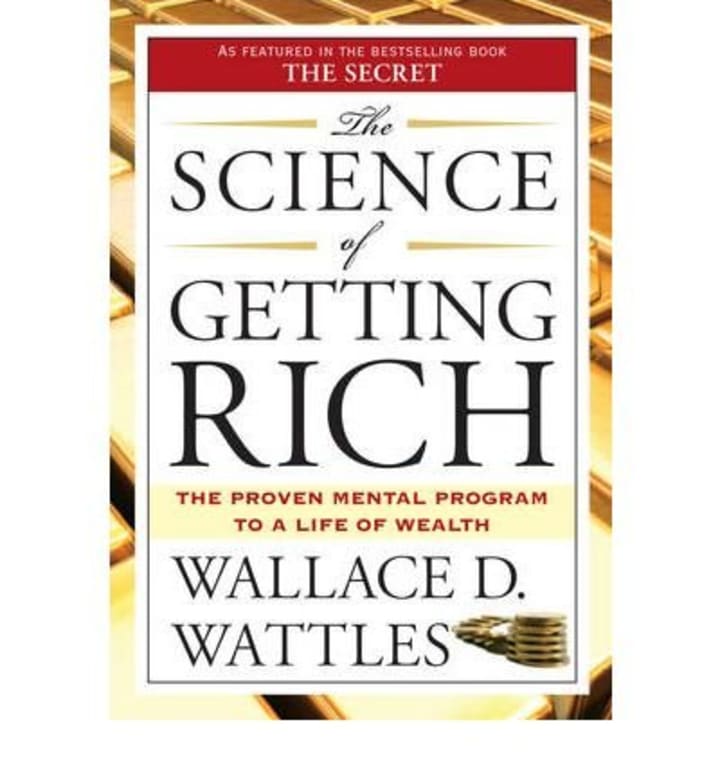
The Science of Getting Rich by Wallace D. Wattles
Overview
First published in 1910, The Science of Getting Rich is one of the earliest self-help books about wealth. Wallace D. Wattles shares a philosophy that combines positive thinking with practical steps to become wealthy.
Key Concepts
The Thinking Stuff: Wattles believes that everything in the universe is made of a substance that responds to our thoughts. By thinking positively and clearly about what you want, you can attract wealth into your life.
Definiteness of Purpose: It’s important to have a clear goal for what you want to achieve. Without a specific goal, it’s hard to make progress.
The Importance of Gratitude: Practicing gratitude can help you attract more good things into your life. When you appreciate what you have, you open yourself up to receiving more.
Acting in a Certain Way: It’s not enough to just think positively; you also need to take actions that align with your goals.
Impact on Wealth Building
Wattles’ book encourages a proactive approach to creating wealth. His focus on positive thinking and gratitude can change how you view money and motivate you to take action toward your financial goals.
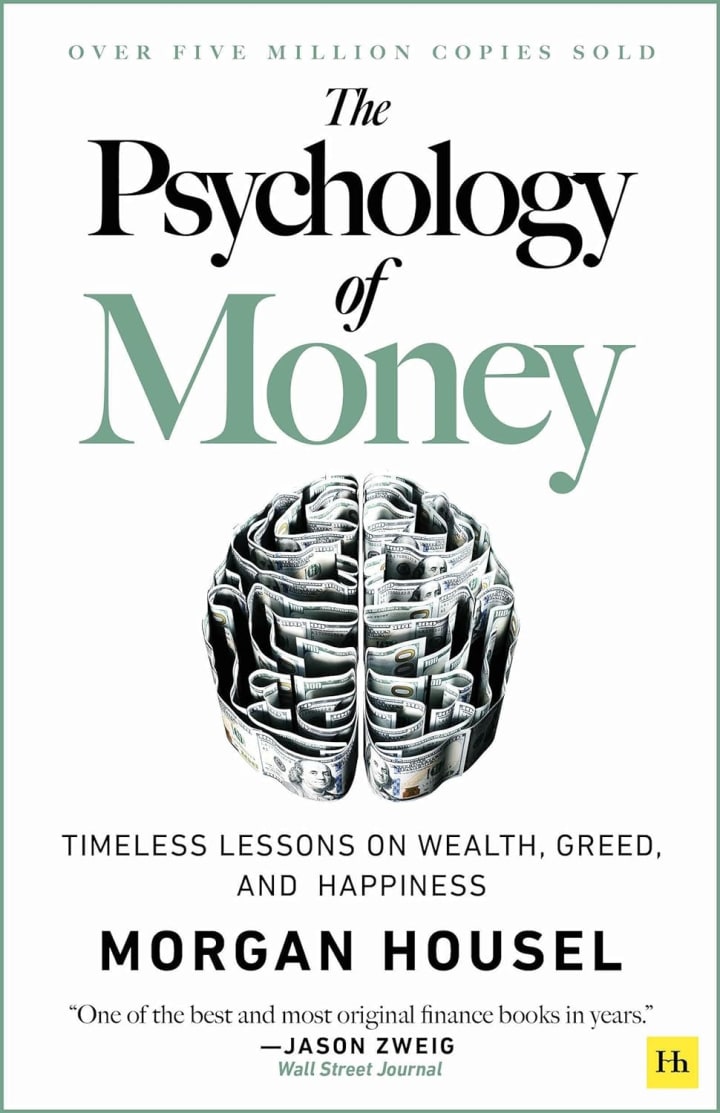
The Psychology of Money by Morgan Housel
Overview
The Psychology of Money explores the emotional side of money management. Morgan Housel shares stories and lessons about wealth, greed, and happiness, showing how our feelings affect our financial decisions.
Key Concepts
Behaviour Matters More Than Knowledge: Housel emphasizes that how we behave with money is often more important than what we know. Our emotions can lead us to make poor financial choices.
Think Long-Term: It's essential to take a long-term view of your finances. Patience is key to seeing your investments grow over time.
Wealth vs. Riches: Housel explains that being rich (having a high income) is not the same as being wealthy (having assets that create income). Focusing on building wealth is crucial.
The Power of Time: Time is one of the biggest factors in accumulating wealth. Starting early and letting your investments grow can make a significant difference.
Impact on Wealth Building
This book reminds readers that understanding their emotions and behaviours around money is just as important as financial knowledge. By adopting a long-term perspective and focusing on building true wealth, you can make smarter financial decisions.
Overview
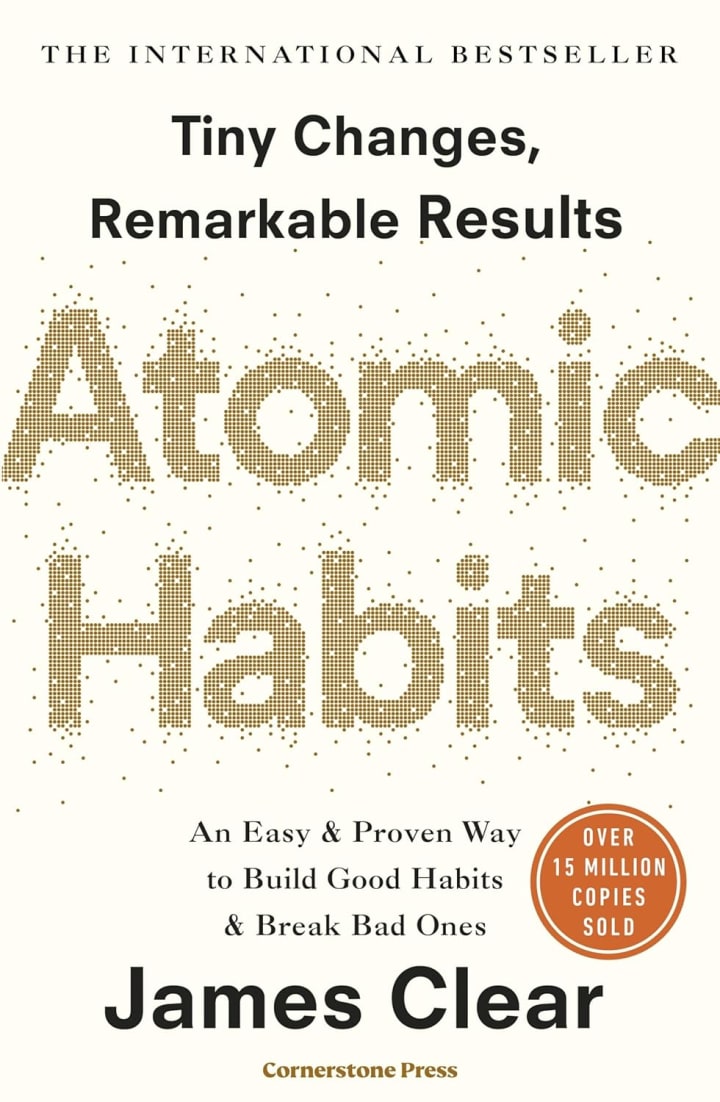
In Atomic Habits, James Clear provides a guide to building good habits and breaking bad ones. Although it's not solely about finance, its lessons are highly applicable to building wealth.
Key Concepts
Small Changes Matter: Clear argues that even a small improvement every day can lead to significant results over time. This principle applies to financial habits like saving and investing.
Identity-Based Habits: Instead of just focusing on goals, Clear suggests adopting identities that align with those goals. For example, think of yourself as a saver instead of just someone who wants to save money.
The Four Laws of Behavior Change:
Make it Obvious: Set clear cues for your new habits.
Make it Attractive: Pair good habits with rewards.
Make it Easy: Reduce obstacles to good habits and create barriers to bad ones.
Make it Satisfying: Reward yourself for sticking to good habits.
Environment Design: Your environment influences your habits. Setting up a space that supports good financial practices can make a big difference.
Impact on Wealth Building
Atomic Habits teaches readers how to create lasting financial habits that lead to wealth. By focusing on small, consistent changes and aligning your identity with your financial goals, you can make wealth-building a part of your daily routine.
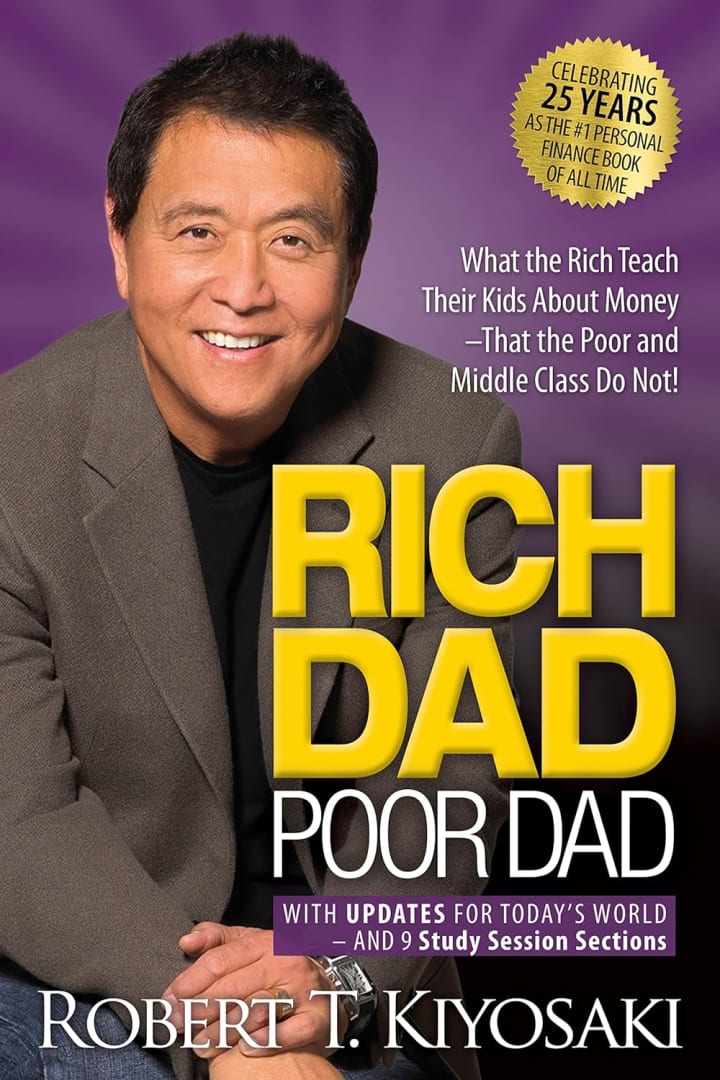
Rich Dad Poor Dad by Robert T. Kiyosaki
Overview
Rich Dad Poor Dad has inspired millions since it was published in 1997. Robert Kiyosaki shares the lessons he learned from his "rich dad" (his best friend’s father) and compares them to the teachings of his "poor dad" (his biological father). The book focuses on a new way of thinking about money.
Key Concepts
Financial Education: Kiyosaki stresses the importance of understanding money, investments, and economic principles. The more you know, the better decisions you can make.
Assets vs. Liabilities: A key lesson is knowing the difference between assets (things that put money in your pocket) and liabilities (things that take money out). Building wealth involves acquiring assets.
The Rat Race: Kiyosaki describes the "rat race," where people work hard for money but struggle to get ahead. To escape this cycle, you need to change your mindset and strategies.
Entrepreneurship and Investing: Kiyosaki encourages readers to consider starting a business or investing as ways to create wealth. Relying only on a job can limit your financial potential.
Impact on Wealth Building
This book has become a foundational guide for many who want to understand money and entrepreneurship. Kiyosaki's insights challenge conventional thinking, inspiring readers to seek financial education and take control of their financial futures.
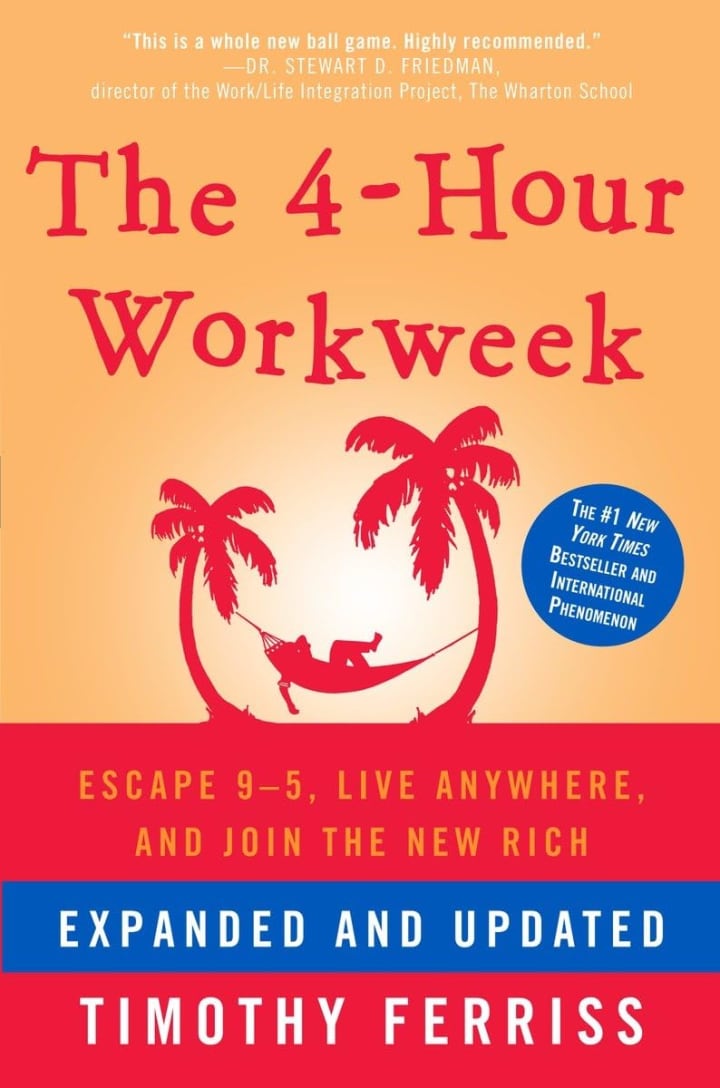
The 4-Hour Workweek by Timothy Ferriss
Overview
In The 4-Hour Workweek, Timothy Ferriss encourages readers to rethink the way they work and live. He suggests that people can escape the traditional 9-to-5 job and create a life filled with freedom and adventure.
Key Concepts
Define Your Goals: Ferriss stresses the importance of knowing what you truly want in life, whether it’s financial independence, travel, or personal fulfillment.
The New Rich: The "New Rich" (NR) are people who prioritize time and experiences over money. Wealth should be about creating a fulfilling lifestyle, not just accumulating money.
Outsourcing and Automation: Ferriss advocates for outsourcing tasks to save time and focus on what really matters. This principle can be applied to both business and personal life.
Mini-Retirements: Instead of waiting until old age to enjoy life, Ferriss encourages readers to take short breaks throughout their lives. This approach helps balance work and personal enjoyment.
Impact on Wealth Building
The 4-Hour Workweek challenges the traditional ideas of work and
in applying the knowledge gained from these books, you can cultivate a mindset and strategy that many people swear has led to financial success and also enhances your overall happiness and fulfillment. I am still working on achieving my goals, and I am hoping I will get there too.
About the Creator
Thandi Wilson
I am a passionate writer with a keen interest in exploring a wide range of topics. I love using writing as a way to connect with readers. I grew up reading and writing stories that my grandmother shared with me around a warm fire as a child
Keep reading
More stories from Thandi Wilson and writers in Motivation and other communities.
Best Mini Refrigerators for Small Places.
Introduction Mini fridges have become a staple in modern households, offering a compact and convenient solution for storing beverages, snacks, and perishables. Whether you're outfitting a small dorm room, setting up a home office, or just need extra storage in your kitchen, mini-fridges are a versatile option. They are particularly useful in tight spaces where a full-size refrigerator would be impractical.
By Thandi Wilsonabout a year ago in Lifehack
One Hard Thing
Stop me if you’ve heard this one before: You have the number, you know your schedule- you’ve even picked out the perfect day and time to make this appointment. Shoot, you’ve even picked out alternative days and times just in case their schedules can’t accommodate you!
By Taylor Rigsby4 days ago in Motivation
How to Detach Without Hating Them
Detachment is one of the hardest emotional skills to learn, especially when you genuinely cared about someone. Many people believe the only way to move on is to hate the person who hurt them. But hatred doesn’t heal — it only keeps you emotionally tied to the same pain you’re trying to escape.
By Millicent Chisom7 days ago in Motivation



Comments
There are no comments for this story
Be the first to respond and start the conversation.