
12 Top Signs of Poor Diabetes Control or Insulin Resistance on Your Skin
Skin Patches: Lipoidica Necrobiosis
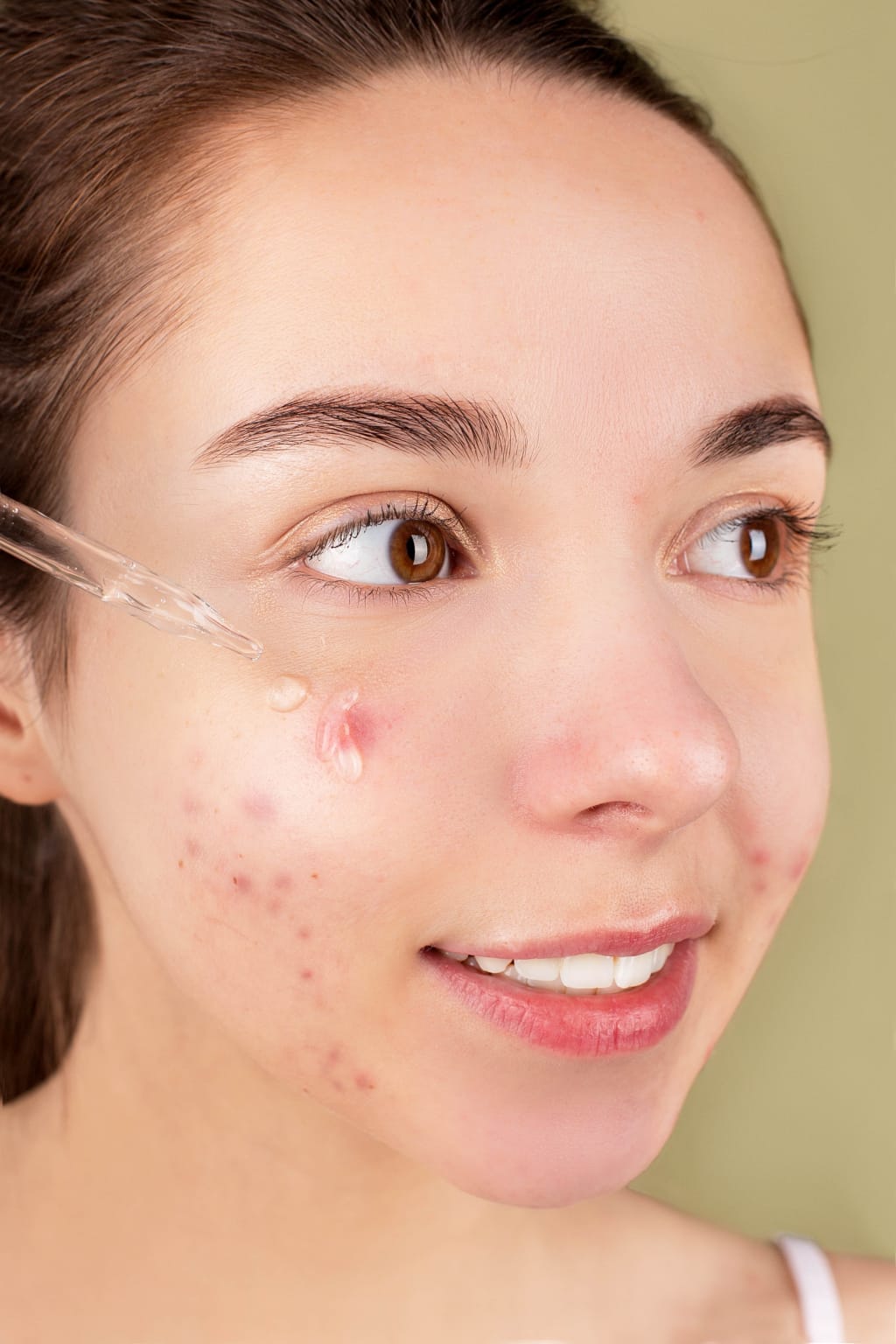
Have you been diagnosed with insulin resistance or type 2 diabetes? Many individuals may not even be aware that they have diabetes until they notice certain signs on their skin. Timely identification and treatment of skin infections are crucial to prevent further complications. In this article, we will discuss 12 signs that indicate poor diabetes control or insulin resistance on the skin. As an endocrinologist specializing in diabetes, I will provide valuable insights into these manifestations and offer tips on self-care. Remember, it's important to consult your diabetes doctor and dermatologist if you notice any of these signs.
Table of Contents
Skin Patches: Lipoidica Necrobiosis
Velvety Feeling: Acanthosis Nigricans
Hardening and Thickening: Digital Sclerosis
Blisters: Bullosis Diabeticorum
Skin Infections and Impairments
Itchy, Dry, and Discolored Skin: Dermopathy
Yellow Bumps: Diabetic Xanthoma
Hair Loss: Diabetic Alopecia
Nail Changes: Onychomycosis
Skin Ulcers: Diabetic Foot Ulcers
Darkening Skin: Eruptive Xanthomatosis
Bacterial Infections: Styes and Boils
1. Skin Patches: Lipoidica Necrobiosis
Lipoidica necrobiosis is a condition characterized by yellow, reddish, or brown patches on the skin. Initially, small raised firm bumps resembling pimples appear, which eventually transform into hard patches. These patches often have a porcelain-like finish and may exhibit visible blood vessels. The affected skin can be inflamed and irritated. Necrobiosis lipoidica is associated with uncontrolled diabetes, and timely action is necessary to improve diabetes management.
2. Velvety Feeling: Acanthosis Nigricans
Acanthosis nigricans manifests as dark, velvety patches of skin, commonly found on the back of the neck, underarms, and groin. It is often an early indicator of diabetes or insulin resistance, including pre-diabetes. Excessive insulin in the body leads to this condition. If you notice these dark patches, it is advisable to consult your healthcare provider for proper diagnosis and effective diabetes management.
3. Hardening and Thickening: Digital Sclerosis
Digital sclerosis refers to the hardening and thickening of the skin, primarily affecting the fingers and toes. Inadequate management of diabetes can lead to this condition. The skin on the back of the hands becomes tight, waxy, and may feel like pebbles. The affected skin can expand to the forearms, upper back, shoulders, and neck. If you experience these symptoms, inform your diabetes doctor for better control of your diabetes.
4. Blisters: Bullosis Diabeticorum
While uncommon, individuals with diabetes may develop large or grouped blisters on the skin. These blisters typically appear on the hands, feet, legs, or forearms and resemble burn blisters. Unlike regular blisters, these are usually painless. It is essential to report such blisters to your doctor to prevent infections and receive appropriate guidance on managing your diabetes effectively.
5. Skin Infections and Impairments
People with diabetes are more prone to skininfections and impairments due to compromised immune function and high blood sugar levels. Common skin infections include yeast infections, impetigo, and cellulitis. If you experience symptoms such as redness, swelling, itching, dryness, or discharge on your skin, especially between your toes, around nails, or on your scalp, it's crucial to seek timely treatment. Poorly controlled diabetes can make these infections challenging to treat, emphasizing the importance of proper diabetes management.
6. Itchy, Dry, and Discolored Skin: Dermopathy
Dermopathy is a skin condition characterized by itchy, dry, and discolored patches. These patches usually appear on the shins and resemble age spots. Although the exact cause is unknown, it is believed to be associated with poor blood circulation and high blood sugar levels. Proper diabetes control and maintaining good skincare practices can help alleviate the symptoms of dermopathy.
7. Yellow Bumps: Diabetic Xanthoma
Diabetic xanthoma refers to the development of small, yellowish bumps on the skin. These bumps commonly appear on the buttocks, hands, feet, and back. They are caused by deposits of fat under the skin and are usually harmless. However, they can indicate poor diabetes control or high cholesterol levels. Consulting with your healthcare provider can help determine the underlying cause and guide you towards appropriate management strategies.
8. Hair Loss: Diabetic Alopecia
Hair loss can occur as a result of diabetes, leading to a condition known as diabetic alopecia. This condition may cause thinning or patchy hair loss on the scalp, eyebrows, or other parts of the body. High blood sugar levels and poor circulation can contribute to hair loss in individuals with diabetes. Implementing a well-balanced diet, managing stress, and controlling blood sugar levels can help minimize hair loss.
9. Nail Changes: Onychomycosis
Onychomycosis refers to fungal infections of the nails, commonly affecting the toenails. People with diabetes are more susceptible to these infections due to compromised immune function and reduced blood circulation. Nail changes associated with onychomycosis include thickening, discoloration, crumbling, and detachment. Seeking professional treatment from a podiatrist or dermatologist is crucial to prevent further complications.
10. Skin Ulcers: Diabetic Foot Ulcers
Diabetic foot ulcers are open sores that develop on the feet, primarily caused by poor circulation and nerve damage. Individuals with diabetes may have reduced sensation in their feet, making it difficult to detect and treat ulcers. Proper foot care, including daily inspection, regular moisturization, and wearing appropriate footwear, is essential to prevent and manage diabetic foot ulcers. Seeking immediate medical attention for any signs of infection or non-healing wounds is crucial.
11. Darkening Skin: Eruptive Xanthomatosis
Eruptive xanthomatosis is a rare condition characterized by small, yellowish-red bumps with a surrounding halo of reddened skin. These bumps may be itchy and appear on the buttocks, elbows, knees, or feet. Eruptive xanthomatosis is often associated with poorly controlled diabetes and elevated triglyceride levels. Achieving optimal blood sugar and lipid control, along with lifestyle modifications, can help manage this condition effectively.
12. Bacterial Infections: Styes and Boils
Individuals with diabetes are more prone to bacterial infections such as styes and boils. Styes are infections of the eyelid glands, causing a red, tender bump on the eyelid. Boils, on the other hand, are deep skin infections that form lumps filled with pus. These infections can occur anywhere on the body but are more common in areas prone to frictionor sweat buildup. Maintaining good hygiene, avoiding touching or rubbing the affected areas, and seeking medical attention for proper treatment are crucial steps in managing these bacterial infections.
Conclusion
Monitoring the condition of your skin is essential for individuals with insulin resistance or type 2 diabetes. The 12 signs discussed in this article can serve as important indicators of poor diabetes control or insulin resistance. By recognizing these signs early on, you can take proactive steps to improve your diabetes management and prevent further complications. Remember to consult your healthcare provider, diabetes doctor, or dermatologist for accurate diagnosis, personalized advice, and effective treatment options.
FAQs (Frequently Asked Questions)
Can these skin manifestations occur in individuals with type 1 diabetes? Yes, while type 2 diabetes and insulin resistance are more commonly associated with these skin manifestations, individuals with type 1 diabetes may also experience them.
Are these skin conditions reversible with proper diabetes management? With proper diabetes control and management, many of these skin conditions can improve or be prevented. However, the extent of improvement may vary depending on individual factors.
Are these skin manifestations exclusive to diabetes or insulin resistance? While these skin conditions are more commonly observed in individuals with diabetes or insulin resistance, they can also occur due to other factors or underlying medical conditions. Proper diagnosis is essential for accurate identification.
Can self-care practices help alleviate these skin manifestations? Yes, self-care practices such as maintaining good hygiene, moisturizing the skin, avoiding excessive scratching, and practicing proper foot care can help alleviate some of these skin manifestations. However, consulting with healthcare professionals is recommended for comprehensive management.
Is it necessary to see a dermatologist in addition to a diabetes doctor? Depending on the severity and specific manifestations, consulting a dermatologist alongside a diabetes doctor can provide specialized insights and treatment options for skin-related concerns.
About the Creator
Keep reading
More stories from Noor Ul Shafiq and writers in Motivation and other communities.
Fruits You Should Be Eating And You Shouldn’t If You Are Diabetic
Hello readers and welcome back to Bestie! Did you know that 11% of the American population has diabetes? Being a diabetic is a difficult job. You have to control what you eat along with getting ample amounts of exercise. Diabetic or not, for a balanced diet, it is important to eat fruit every day. Contrary to popular belief, there are some fruits that contain unhealthy amounts of sugar, which cause a spike in blood sugar levels. Finding a diabetes-friendly fruit that can help keep your blood sugar in a healthy range is difficult. Is there a way? Here are the best and worst fruits to eat if you have diabetes. Stay attended to learn everything about the good and bad fruits for diabetes.
By Noor Ul Shafiq3 years ago in Motivation
One Hard Thing
Stop me if you’ve heard this one before: You have the number, you know your schedule- you’ve even picked out the perfect day and time to make this appointment. Shoot, you’ve even picked out alternative days and times just in case their schedules can’t accommodate you!
By Taylor Rigsby18 days ago in Motivation
Simple Strategies to Build Wealth With Confidence
Building wealth does not have to feel confusing or risky. Many people believe you need expert-level knowledge or perfect timing to succeed. In reality, confidence with money grows when your approach is simple, consistent, and aligned with your goals. By focusing on clear habits and steady decisions, anyone can move toward financial security without feeling overwhelmed.
By Millicent Prince5 days ago in Motivation



Comments
There are no comments for this story
Be the first to respond and start the conversation.