
What Causes Frequent Recurrences of Orchitis?
Understanding the Reasons Behind Recurrent Orchitis

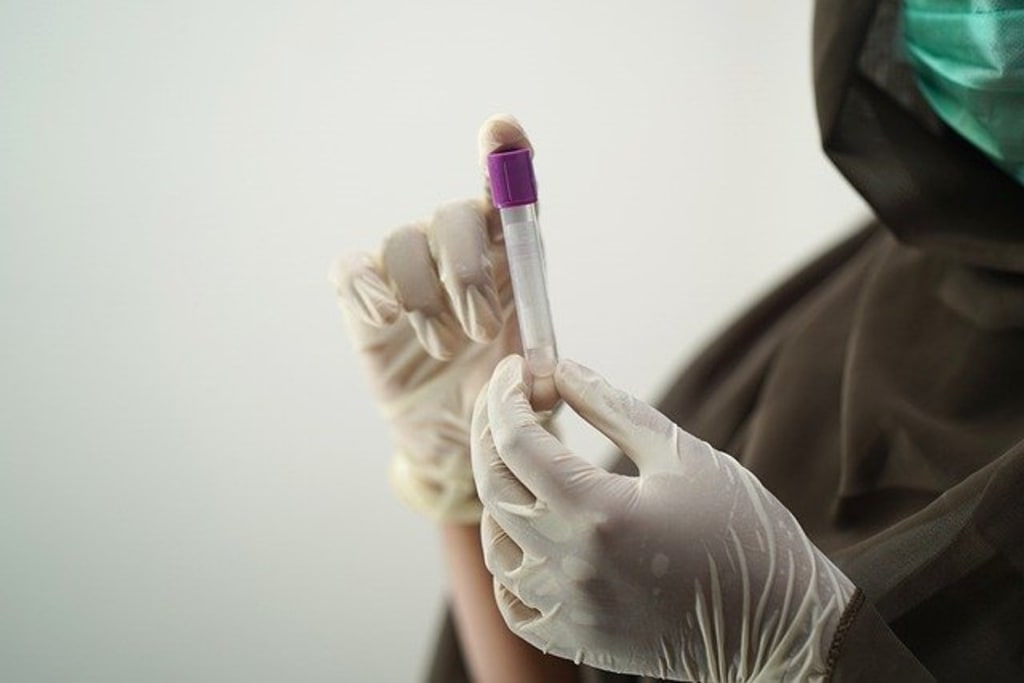
Orchitis, an inflammation of the testicles, is a prevalent condition affecting males from infancy through old age, but it is most common among young and middle-aged adults. The condition can be categorized into infectious and non-infectious types. Infectious orchitis is caused by bacteria or viruses, while non-infectious orchitis stems from trauma or autoimmune responses. The primary symptoms include swelling and pain in the testicles, often accompanied by fever and chills. In severe cases, it may lead to testicular atrophy, abscess formation, or impaired fertility. Despite treatment, many patients experience recurring episodes, leading to significant distress. So, why does orchitis keep coming back, and how can it be effectively managed?
Reasons for Recurrent Orchitis
1. Incomplete Eradication of Pathogens: Orchitis is frequently caused by infections from bacteria, viruses, or fungi. A common issue is that patients often stop their medication once symptoms improve, leaving pathogens inadequately treated. This can lead to a resurgence of infection, especially if the immune system is compromised. Incomplete antibiotic courses can also contribute to bacterial resistance, complicating treatment and increasing the risk of recurrence.
2. Poor Sexual Habits: Unhealthy sexual practices, such as excessive frequency or unclean activities, can exacerbate orchitis. Excessive sexual activity may cause congestion in the reproductive organs, lowering local resistance to infections. Unclean sexual practices can introduce new pathogens, leading to recurrent infections and persistent symptoms.
3. Immune Suppression: Individuals with weakened immune systems are more prone to infections and may struggle to clear pathogens entirely. Factors like stress, poor nutrition, irregular sleep, and overexertion contribute to immune suppression. Chronic conditions such as diabetes or liver disease can further weaken immune defenses, making recurrent orchitis more likely.
4. Unhealthy Lifestyle Habits: Lifestyle factors such as smoking, alcohol consumption, and prolonged sitting can negatively impact testicular health. Tobacco and alcohol can impair immune function, while prolonged sitting can hinder blood circulation in the area, increasing infection risk. Overwork, irregular sleep, and poor diet can also affect overall health, making recurrence more probable.
5. Concurrent Genitourinary Disorders: Untreated or inadequately treated conditions like prostatitis or urethritis can aggravate or trigger orchitis. These disorders often interact, complicating treatment. For instance, chronic prostatitis can lead to prostatic fluid congestion, resulting in recurrent epididymal infections, while urethritis may cause orchitis through retrograde infection.
6. Presence of Inflammation: Inflammation in other parts of the body can contribute to recurrent orchitis. Although inflammation itself doesn’t migrate, bacteria in inflamed areas may be transmitted to the epididymis via urine, leading to recurrent infections. Active management of any body-wide inflammation is crucial to prevent recurrence.
Managing Recurrent Orchitis
1. Pharmacological Treatment: Patients diagnosed with orchitis should adhere strictly to their prescribed treatment regimen until completion, even if symptoms improve. Proper antibiotic use is essential to prevent resistance and treatment failure. If antibiotics are ineffective, alternative medications such as Diuretic and Anti-inflammatory pills may be considered for symptom relief.
2. Physical Therapy: Applying heat and gentle massage can improve local blood circulation and alleviate pain. It is important to use moderate temperatures and gentle movements to avoid burns and excessive pressure.
3. Boosting Immunity: Strengthening the immune system is vital for preventing recurrent orchitis. This can be achieved through a balanced diet rich in vitamins and minerals, adequate sleep, stress reduction, and regular physical activity. Avoiding smoking and excessive alcohol consumption also supports immune function. Additionally, maintaining good personal hygiene, especially of the genital area, helps prevent bacterial infections.
4. Regular Check-ups: Ongoing monitoring through regular check-ups is essential to assess disease progression and adjust treatment plans as needed. This is particularly important for patients with a history of recurrent orchitis.
5. Psychological Counseling: The stress and anxiety caused by recurrent orchitis can impact mental health. Psychological counseling can help patients manage these emotional challenges and improve their overall well-being. Open communication with family and friends, and seeking professional help when necessary, can provide additional support.
6. Treating Coexisting Conditions: Addressing any concurrent genitourinary disorders is crucial for effective orchitis treatment. Conditions such as prostatitis or urethritis must be treated simultaneously to prevent their adverse effects on orchitis management.
About the Creator
Amanda Chou
Looking to restore your life troubled by prostatitis, epididymitis, seminal vesiculitis and other male reproductive system diseases? Here are the resource to help you in this endeavor.
Reader insights
Nice work
Very well written. Keep up the good work!
Top insights
Compelling and original writing
Creative use of language & vocab
Excellent storytelling
Original narrative & well developed characters
Eye opening
Niche topic & fresh perspectives
On-point and relevant
Writing reflected the title & theme
Keep reading
More stories from Amanda Chou and writers in Men and other communities.
Dealing with Recurrent Prostatitis: Practical Steps and Solutions
Prostatitis, a prevalent male health issue, can greatly impact quality of life, often leading to anxiety, stress, and other psychological challenges. Despite treatment, many individuals experience recurrent episodes of prostatitis, which can be frustrating and challenging to manage. Understanding why prostatitis tends to recur and knowing the appropriate steps to take when it does can help in effectively managing this condition.
By Amanda Chou2 years ago in Men
Shutter Island Ending Explained: The Hidden Truth That Changes Everything
When Shutter Island premiered in 2010, audiences expected a gripping psychological thriller. What they received was something far more complex. Directed by Martin Scorsese and starring Leonardo DiCaprio, the film quickly became famous for its haunting atmosphere, mysterious storyline, and an ending that sparked endless debate among viewers.
By Lukáš Hrdlička2 days ago in Men
Blood Diamond: The Shocking Truth Behind the Gems That Fueled a War
When Blood Diamond premiered in 2006, audiences were confronted with a story that combined thrilling action with the harsh realities of modern conflict. Directed by Edward Zwick and starring Leonardo DiCaprio, Djimon Hounsou, and Jennifer Connelly, the film explores the devastating impact of conflict diamonds in Sierra Leone during the 1990s. Beyond its adventure and suspense, Blood Diamond reveals how greed, corruption, and human suffering intersect in ways that few viewers could imagine.
By Lukáš Hrdlička2 days ago in Men
From ad men to mad men
It's after 2am in the morning when a local police patrol vehicle in Northern New Jersey spots a figure costumed as Quasimodo, The Hunchback of Notre Dame, proceeding southbound on the sidewalk along Lydecker Street. Though the hunchback’s costume stuffing offers added insulation, it's January, and friggin’ freezing. Carefully, the officers slow down, gently question the subject, and offer him a ride home.
By David W. Maury7 days ago in Humor



Comments (1)
I really love your content and how it's crafted , I love it and happily subscribed , you can check out my content and subscribe to me also , thanks for this beautiful one