
The Silent Struggle: Understanding the Real Issues Men Face Today
Men are often expected to be strong, resilient, and unshakable.

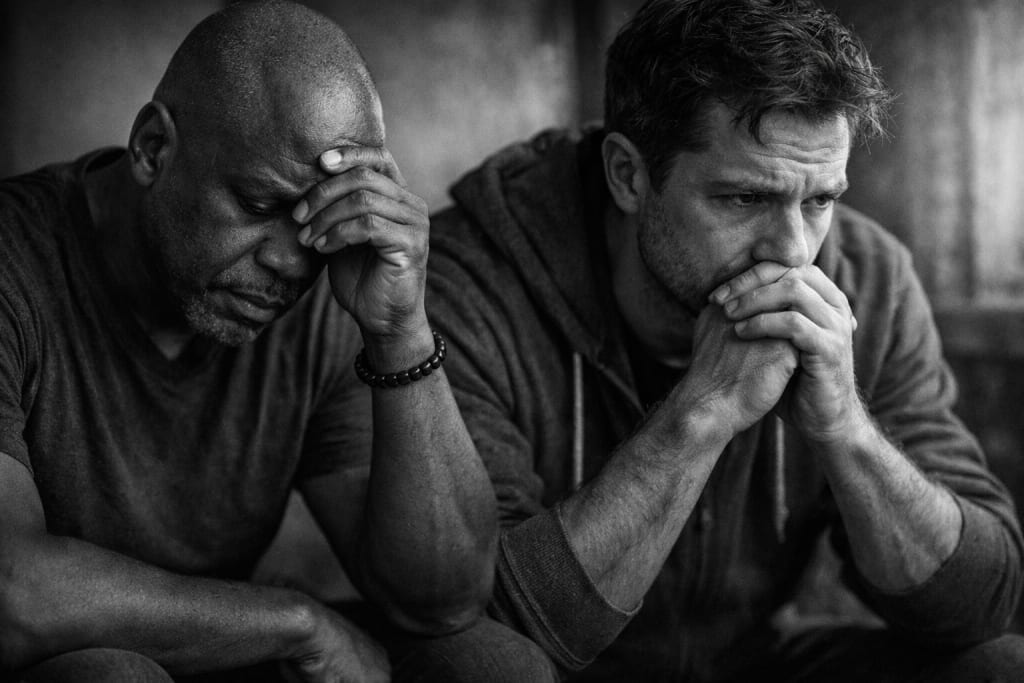
From childhood, society tells them: “Be tough. Don’t cry. Handle it yourself.” While these messages may be intended to prepare men for life’s challenges, the truth is far more complicated and far more human.
Behind the bravado, many men are silently struggling. Emotional, physical, and social pressures can create a heavy burden that rarely gets discussed openly. Mental health challenges, stress, lifestyle diseases, and societal expectations quietly chip away at their well-being, often until the consequences become unavoidable.
1. Mental Health: The Invisible Battle
Depression, anxiety, and stress don’t always look like sadness. For men, mental health issues often manifest as:
• Anger or irritability
• Emotional numbness
• Withdrawal from friends and family
• Overworking or hyper-focus on productivity
• Risky behaviors or substance use
Because these signs don’t fit the traditional image of depression, men frequently go unnoticed and untreated. According to research, men are less likely to seek help for mental health issues than women, a dangerous silence that can lead to burnout, relationship strain, and even suicide.
“Asking for help is not weakness, it is courage.”
2. Physical Health: The Price of Ignored Warning Signs
Men’s physical health issues are often ignored or downplayed. Common problems include:
• Cardiovascular risks (high blood pressure, heart disease)
• Obesity and metabolic syndrome
• Prostate and reproductive health issues
• Chronic fatigue and sleep disruption
Men are more likely to delay routine checkups, skip screenings, or dismiss symptoms until they become serious. Conditions like prostate cancer or heart disease can advance silently, making early attention and preventive care crucial.
3. Social & Cultural Pressures
Masculinity norms can make it hard for men to admit vulnerability. From cultural messages to family expectations, men are often taught that expressing emotions is a sign of weakness. This leads to:
• Suppression of feelings
• Avoidance of help-seeking
• Isolation from friends and support systems
The consequences are real: strained relationships, declining mental health, and increased risk of lifestyle-related illnesses.
4. Lifestyle Challenges
Modern life adds additional pressures. Men often juggle:
• Demanding careers
• Family responsibilities
• Social expectations
• Financial stress
Poor sleep, irregular meals, lack of exercise, and high stress levels become a cycle that further impacts hormone balance, energy levels, and mental clarity. Over time, these habits accelerate health risks and reduce quality of life.
5. Solutions: Awareness, Support, and Action
Change begins with awareness. Men must understand that health is not just about strength; it’s about balance. Steps toward improvement include:
• Regular checkups and screenings: Catch issues early.
• Open conversations: Talking with friends, family, or professionals reduces isolation.
• Balanced lifestyle: Nutrition, exercise, sleep, and stress management.
• Mental health care: Therapy, counseling, or support groups are signs of strength, not weakness.
• Supplemental support: Products that support energy, immunity, and prostate health can complement a healthy lifestyle.
Encouraging men to take small, consistent steps toward wellness creates a ripple effect , stronger families, workplaces, and communities.
Redefining Strength
Strength is no longer just about physical power or stoicism. Real strength is:
• Caring for your body and mind
• Asking for help when needed
• Building healthy routines and habits
• Protecting your future health
Men’s struggles are not a sign of weakness. They are a call to action for awareness, understanding, and change. Society thrives when men are healthy, supported, and empowered to face life fully.
“The strongest men are not those who hide their pain, but those who take responsibility for their health, their emotions, and their future.”
About the Creator
Keep reading
More stories from Coach Penny and writers in Men and other communities.
How to Get Rid of Belly Fat Without Dieting?
How to Get Rid of Belly Fat Without Dieting. Belly fat is not only aesthetically displeasing, it can be a serious health risk. Excess weight around the midsection may lead to inflammation, type 2 diabetes, heart disease, and even cancer.
By Coach Penny4 years ago in Feast


Comments
There are no comments for this story
Be the first to respond and start the conversation.