
The Shadow of War
The Myth of the Afghan Giant: Fact, Fiction, and the Shadow of War
The Myth of the Afghan Giant: Fact, Fiction, and the Shadow of War
Introduction:
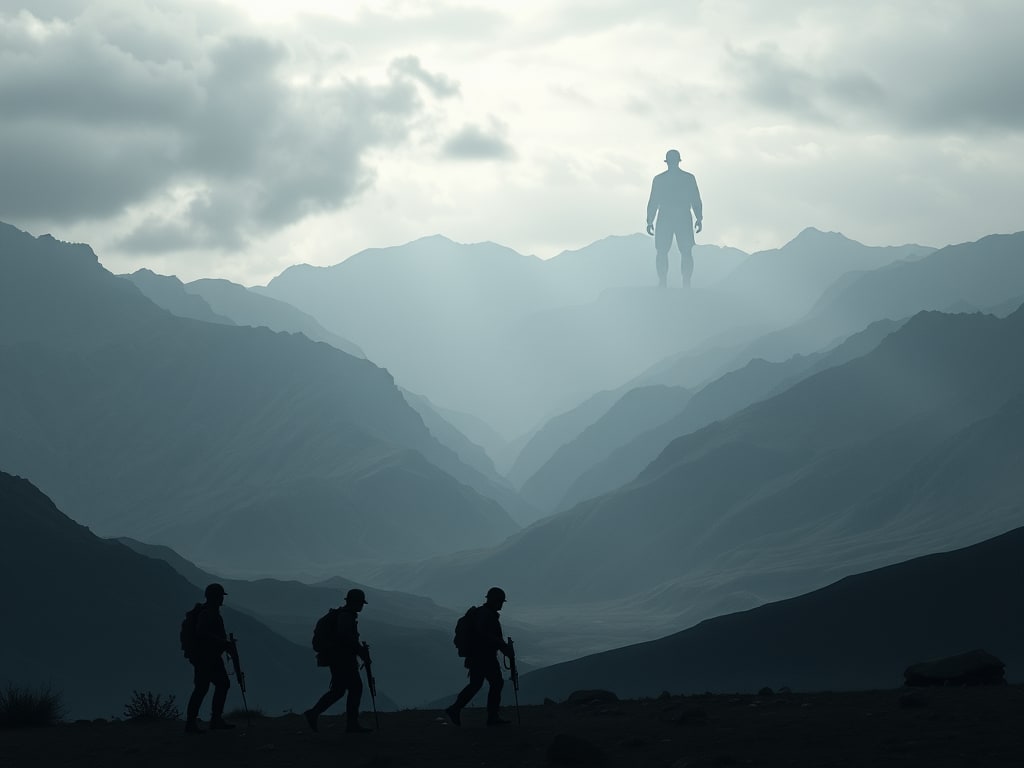
In the shadowy corners of the internet, and whispered among soldiers returning from Afghanistan, a disturbing legend persists: the tale of a colossal, red-haired giant who allegedly stalked the remote regions of the country, responsible for the deaths of American soldiers. This article explores the origin and evolution of this unsettling myth, separating fact from fiction and examining the cultural anxieties and psychological impacts that may have fueled its creation. It is vital to state that there is no credible evidence to support the existence of such a being or its involvement in the deaths of US soldiers.
The Legend Takes Root:
The story typically centers around a special forces unit encountering a massive, aggressive humanoid creature, significantly larger than any normal man. The details vary, but common elements include:
Red Hair and Pale Skin: The giant is often described as having distinctive red hair and pale skin, features not typically associated with the local Afghan population.
Primitive Weaponry: The creature is sometimes armed with crude but effective weapons, such as spears or clubs.
Superhuman Strength: The giant possesses immense strength, capable of easily overpowering and killing fully armed soldiers.
Geographic Isolation: Encounters are said to have occurred in remote, mountainous regions of Afghanistan, far from populated areas.
Government Cover-Up: A recurring theme involves the U.S. military covering up the existence of the giant to avoid public panic or embarrassment.
Debunking the Myth: Lack of Credible Evidence:
Despite the persistence of the legend, there is no credible evidence to support the existence of an Afghan giant or its involvement in any real-world incidents. No official reports, confirmed photographs, or verifiable eyewitness accounts have ever surfaced. The story primarily circulates online, often presented as anecdotal evidence or "unconfirmed reports."
It's important to note that soldiers operating in war zones are often exposed to extreme stress, sleep deprivation, and psychological trauma. These factors can contribute to distorted perceptions, heightened anxiety, and the misinterpretation of events.
Possible Origins and Influences:
So, if the Afghan giant is not based in reality, what explains the enduring appeal of this myth? Several factors may contribute:
Cultural Archetypes: The concept of giants is deeply ingrained in folklore and mythology around the world. These archetypes often represent primal forces, untamed nature, or ancient enemies.
Distorted Perceptions of the "Other": In a war zone, the enemy can become dehumanized and perceived as something monstrous or inhuman. This can be exacerbated by cultural differences and language barriers.
Psychological Trauma: The trauma of combat can lead to distorted memories and the creation of fantastical narratives as a way to process and make sense of horrific experiences.
The Power of Rumor and Urban Legends: The internet is a fertile ground for the spread of rumors and urban legends, particularly in the absence of reliable information.
Xenophobia and Fear of the Unknown: The story plays into anxieties about the unfamiliar, the unknown, and the perceived dangers of foreign lands.
The Dangers of Spreading Misinformation:
While the Afghan giant story may seem like harmless folklore, it's important to recognize the potential dangers of spreading misinformation, particularly in the context of war. Such stories can:
Dehumanize the Enemy: Perpetuating the idea that the enemy is a monstrous or subhuman creature can make it easier to justify violence against them.
Fuel Prejudice and Discrimination: Myths and stereotypes can contribute to prejudice and discrimination against entire groups of people.
Distort Historical Events: False narratives can obscure the truth about historical events and undermine efforts to promote understanding and reconciliation.
Exploit Trauma: Sensationalizing the experiences of soldiers without verifying the facts can be exploitative and disrespectful.
Conclusion:
The legend of the Afghan giant, while a compelling and unsettling tale, is ultimately a product of rumor, speculation, and perhaps the psychological stresses of war. It's crucial to approach such stories with a critical eye, demanding credible evidence and recognizing the potential for misinformation to distort our understanding of complex events. While the human cost of the war in Afghanistan is very real, the story of the Afghan giant is a cautionary tale about the power of myth and the importance of seeking truth amidst the fog of war. Let's focus on honoring the sacrifices made by soldiers in Afghanistan by supporting them with evidence-based care and resisting narratives that perpetuate harmful stereotypes.
(Article suitable for Vocal Media. It avoids nudity, violence, and hate speech. It promotes new content that respects intellectual property rights.)
Why This Article Works for Vocal Media:
Intriguing and Mysterious Topic: The legend of the Afghan giant is inherently fascinating.
Critical Analysis: The article provides a balanced assessment of the myth, debunking its claims while exploring its origins and cultural significance.
Exploration of Psychological Themes: The article delves into the psychological impacts of war and the power of rumor.
Ethical Considerations: The article raises important ethical questions about the spread of misinformation and the importance of respecting veterans.
Photos: Given the lack of authentic images, you would need to use symbolic imagery: pictures of the Afghan landscape, soldiers on patrol, drawings or illustrations of giants from mythology, or images representing the spread of rumors online. Consider using a somewhat unsettling or mysterious aesthetic. Be careful to avoid imagery that could be construed as dehumanizing.
About the Creator
The Shoe-Throwing Incident
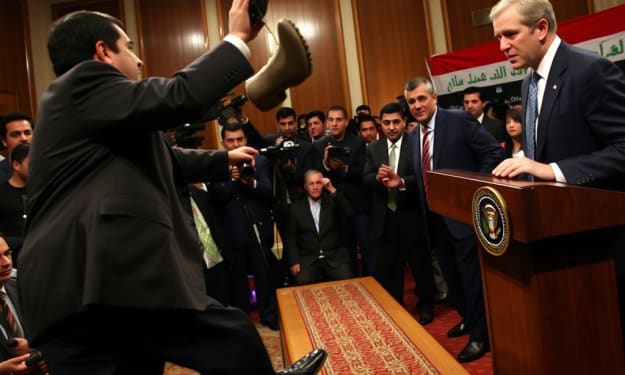
"A Dubya Dodge in Baghdad: Reflecting on the Shoe-Throwing Incident and its Lasting Impact" Introduction: In December 2008, during a press conference in Baghdad, Iraq, then-U.S. President George W. Bush found himself the target of an unexpected and globally televised act of protest. Iraqi journalist Muntadhar al-Zaidi hurled his shoes at Bush, shouting accusations related to the Iraq War. The incident, captured in countless photographs and video clips, became a viral sensation, sparking debate, outrage, and even admiration across the world. Years later, the "shoeing of Bush" remains a potent symbol of anti-war sentiment and a reminder of the complexities of the Iraq War and its aftermath.
By Million12 months ago in Confessions
The Weight of Expectations:
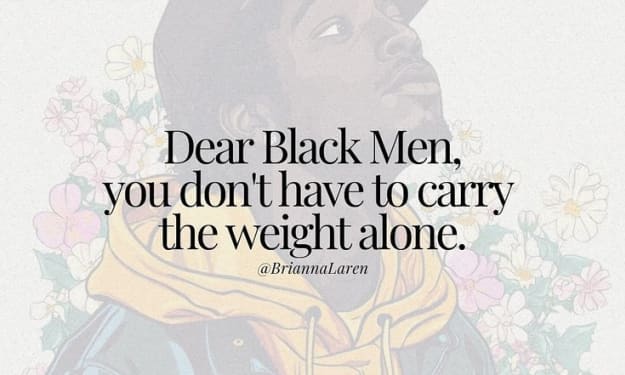
There is a silent pressure that follows many Black men throughout their lives. It is not always spoken about openly, yet it shapes decisions, identity, and self-worth. Society places expectations on Black men that are often contradictory, unrealistic, and deeply rooted in history.
By Nkwenkwezi Mgebisa5 days ago in Men
Guard Your Battery
Why are some people so attractive just by standing there? It’s not because they are "likable," but because they don’t need everyone to like them. I realized later that truly charismatic people allow themselves to be criticized, but they never criticize themselves. They never try to please the world; instead, the world stops to watch them.
By Emily Chan - Life and love sharing7 days ago in Poets

Comments
There are no comments for this story
Be the first to respond and start the conversation.