
The Science Behind Soviet-Style Boxing
Efficiency, Mechanics, and Mindset
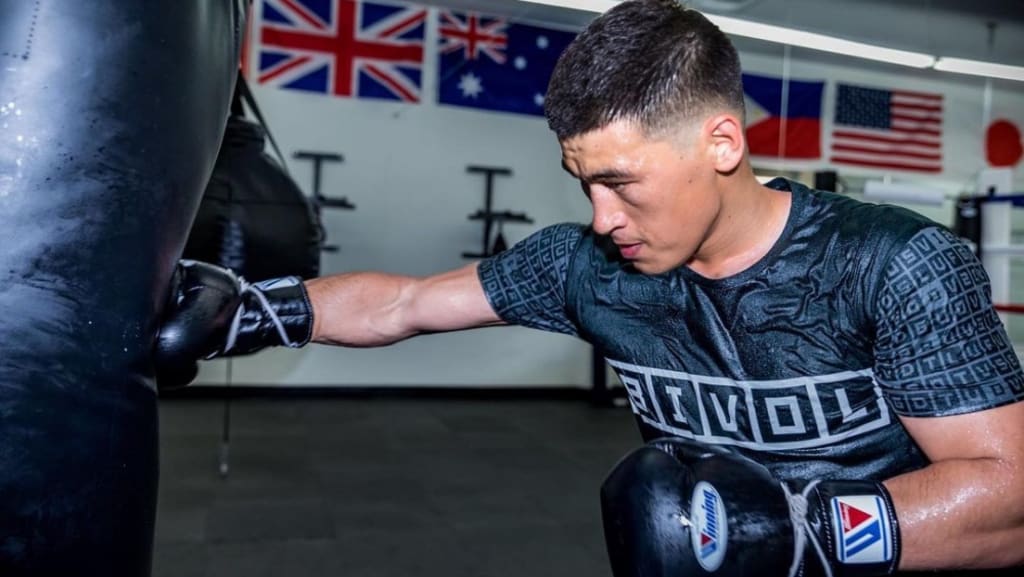
When you think of Soviet-era sports, you might picture stoic athletes, brutal training regimens, and a borderline obsession with biomechanics — and you wouldn’t be wrong. Soviet-style boxing was no exception. It was methodical, efficient, and built on a foundation of science over spectacle.
In contrast to the flash of American prizefighting or the aggression-first approach of some Western systems, Soviet boxing prioritized economy of motion, precise mechanics, and psychological composure. It wasn’t just about throwing punches — it was about movement intelligence and turning the ring into a chessboard.
Let’s break down the principles that made this style so unique — and why it’s still influencing elite boxing and MMA training today.
1. Biomechanics: Efficiency Over Explosiveness
Soviet coaches were obsessed with biomechanics. Why?
Because efficient movement = repeatable power + less fatigue + fewer injuries.
Soviet boxers learned to:
Keep the elbows tucked to reduce telegraphing
Deliver punches from relaxed muscle tension to increase speed and snap
Use hip rotation and ground reaction force to generate real power (not just arm punches)
Everything was about kinetic chains — transferring energy from the ground, through the legs, hips, and shoulders, into the fist. It was less about "hitting hard" and more about hitting correctly.
“The most powerful punch is the one that takes the shortest path from the floor to your opponent’s chin.”
2. Footwork: Always in Position
Whereas some styles emphasize lateral movement and bouncing, Soviet boxing focused on minimal, purposeful footwork. The goal was to remain balanced, conserve energy, and maintain punching ability from any angle.
They trained boxers to:
Keep the feet under the center of mass
Stay light but grounded — think "floating, not flying"
Cut off the ring efficiently (as opposed to chasing)
Drills included shadow boxing with resistance, mirror work, and deliberate slow-motion movement to build neurological control. Nothing was wasted — no steps, no feints, no energy.
3. Psycho-Physiological Training: Train the Mind Like a Muscle
The Soviet approach was holistic. You weren’t just training your body — you were training your nervous system and emotional resilience.
Boxers were taught to:
Maintain emotional neutrality (no wasted adrenaline or over-hype)
Develop reflexive patterns through endless repetition (so reaction becomes instinct)
Visualize fights with clarity and tactical intention
This built fighters who were calm under pressure, with reactions that felt more like programming than panic.
4. Drills Over Sparring (At First)
Whereas Western gyms often jump straight into sparring, Soviet gyms followed a progressive drilling model. You had to earn sparring.
Technical drills → partner drills → situational sparring → full sparring
Each phase had measurable goals — precision, timing, reaction, or combination control
This approach ensured that bad habits weren’t repeated under pressure. Everything was built on technical mastery before stress-testing.
5. Systematization & Data
Soviet sports science involved extensive documentation. Coaches tracked:
Punch output per round
Reaction time improvements
Oxygen usage under load
Psychological stress response
In many ways, Soviet boxing was ahead of its time — long before sports performance labs became mainstream in the West.
Why It Matters Today
Even now, high-level striking coaches (especially in MMA) borrow heavily from Soviet principles — precision over power, calm over chaos, mechanics over muscle.
You’ll find echoes of it in fighters like:
Vasyl Lomachenko – trained in Ukraine under similar Soviet-descended systems
Khabib Nurmagomedov – blending combat sambo’s discipline with striking economy
Petr Yan – calculated aggression, mechanical discipline, and footwork rooted in these traditions
Final Thoughts: Smarter, Not Just Harder
Soviet-style boxing reminds us that fighting is more than fury — it's physics, psychology, and patience. Whether you’re a coach, a fighter, or a curious observer, studying this system shows what’s possible when you approach combat as both a science and an art.
Want to move better, punch cleaner, and fight longer?
Train like a Soviet — but maybe skip the ice baths in Siberia.
About the Creator
Keep reading
More stories from writers in Men and other communities.
Wild Card Weekend Recap: What Happens Now?
I think I figured out why I love Wild Card Weekend so much. It's because it's the first playoff anything of the calendar year. The NFL season starts in the fall, and once upon a time, the champion was crowned either on or slightly before New Year's. The evolution of the NFL schedule has resulted in the playoffs starting just into the New Year, and currently, the final week of the season falls on the first weekend of the New Year, with Wild Card Weekend coming a week after that. So yes, chronologically, the NFL's Wild Card Weekend serves as the first playoff anything of the calendar year.
By Clyde E. Dawkins3 days ago in Unbalanced




Comments