
The PRP Boom: What’s Driving Prices, Popularity, and New Patient Demographics?
platelet plasma treatment
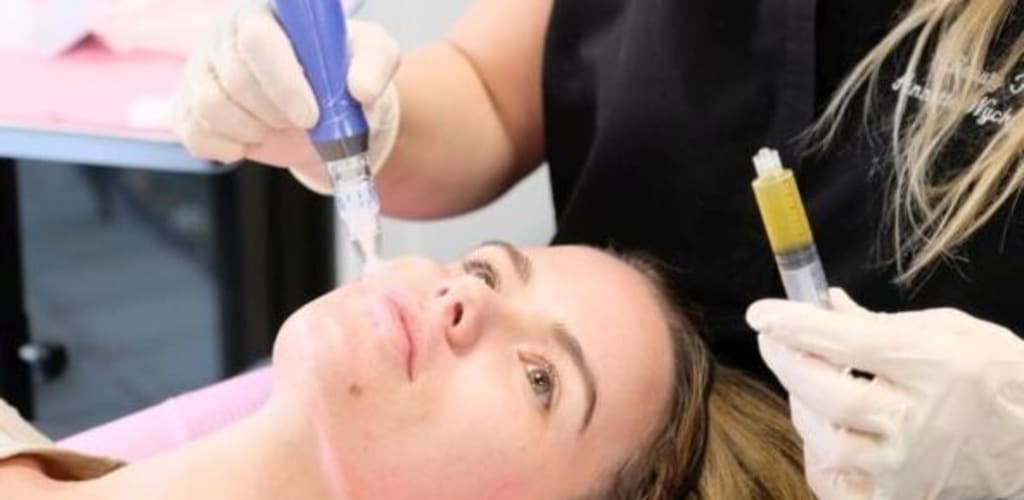
In recent years, PRP therapy has emerged from the shadows of fringe treatments and experimental use to a prominent position in both cosmetic and medical practices. From high-performance athletes recovering from injury to everyday individuals hoping to restore youthfulness or relieve chronic pain, PRP—short for platelet-rich plasma—is no longer a niche offering. It has evolved into a booming industry, with clinics across the globe promoting the treatment for everything from hair restoration to joint repair. Among these shifts, platelet plasma treatment has become a buzzword, drawing attention from an increasingly diverse audience and driving intense market demand.
A Perfect Storm of Visibility and Accessibility
The surge in PRP popularity can largely be attributed to a convergence of media exposure, improved accessibility, and rising patient awareness. Social media has played a massive role, with influencers and celebrities openly sharing their experiences with PRP procedures—whether it’s for skin rejuvenation, under-eye treatment, or even post-surgical recovery. This visibility has contributed to a cultural normalization of what once may have been perceived as an elite or experimental service.
In parallel, the procedure itself has become easier and more affordable for clinics to offer. With the cost of centrifuge machines and PRP kits decreasing, more practitioners can integrate PRP into their services without significant investment. This accessibility translates to more widespread availability, and as competition among providers increases, many clinics offer promotional pricing or bundled treatment packages that lower the barrier for entry.
Prices Rising with Demand, but Value Still Persists
Despite increased accessibility, prices for PRP treatments have not necessarily dropped across the board. In fact, in some high-demand urban markets, PRP therapy has become a premium offering with rising price tags. This paradox is largely driven by two factors: the growing number of applications for PRP, and the perceived personalization of the treatment.
Unlike standard cosmetic procedures or injections, PRP uses a patient’s own blood, which is processed and then re-injected into the targeted area. This individualized nature of the treatment adds a layer of perceived (and marketed) exclusivity and safety. As more patients look for "natural" solutions that minimize foreign substances and synthetic fillers, PRP offers an attractive alternative—justifying higher prices in the minds of many consumers.
Moreover, new clinical research continues to validate PRP’s efficacy across multiple areas—from orthopedic care to dermatology. This has attracted the attention of higher-end clinics, regenerative medicine centers, and even wellness spas that are willing to invest in more advanced PRP technologies, which in turn justifies the increase in pricing for patients seeking top-tier experiences.
Expanding Beyond the Traditional Patient Profile
One of the most surprising elements of the PRP boom is the shift in patient demographics. Originally seen as a treatment primarily for middle-aged men recovering from sports injuries or older adults dealing with osteoarthritis, PRP now attracts a wide range of patients—many of whom are young, health-conscious, and beauty-focused.
Millennials and Gen Z consumers are among the fastest-growing segments of the PRP market. These patients are more proactive about health and aging prevention, and they’re also more likely to spend on wellness procedures. The appeal lies in PRP’s branding: it’s natural, relatively non-invasive, and doesn’t involve chemicals or synthetic implants. For younger clients interested in long-term beauty maintenance, PRP facials and scalp treatments (for hair thinning) are becoming routine self-care investments.
At the same time, a new category of male clients is emerging—those interested in cosmetic enhancement rather than just injury recovery. PRP’s use in hair restoration and sexual wellness treatments (such as the “P-shot”) has opened the doors for men who previously avoided aesthetic treatments but are now more willing to explore non-surgical options for appearance and performance enhancement.
Technology, Innovation, and Customization Fuel Growth
Another key driver of the PRP explosion is innovation. As technology improves, so does the efficacy and appeal of the treatment. Modern centrifuges now allow for more precise separation of blood components, creating higher concentrations of healing platelets. In addition, advancements in microneedling tools and delivery methods make PRP treatment less painful and more effective.
Some providers are now offering hybrid PRP treatments—combining PRP with microneedling, laser therapy, or radiofrequency. These combinations target multiple layers of tissue for enhanced results and are marketed as next-gen rejuvenation packages. Others are using AI or imaging software to assess treatment areas in real-time and customize PRP delivery more precisely, thereby improving outcomes and reducing guesswork.
As personalization continues to shape modern healthcare and wellness, PRP is perfectly positioned to ride that wave. Patients appreciate the bespoke nature of the procedure, and with technology enabling even more tailored protocols, the market is likely to keep expanding.
The Road Ahead: Regulation, Research, and Responsible Growth
While the momentum behind PRP shows no signs of slowing, the road ahead will require caution and regulation. As with many rapidly growing industries, there’s a risk of oversaturation and misinformation. Not all providers are equally skilled or trained in PRP techniques, and outcomes can vary widely depending on equipment quality, preparation method, and patient condition.
Regulatory bodies in some countries are beginning to issue stricter guidelines for how PRP can be advertised and administered, especially when clinics make unverified medical claims. This could lead to more standardized protocols, improved safety outcomes, and possibly more insurance involvement—further legitimizing the practice.
In parallel, ongoing clinical research will continue to shape how PRP is viewed. While the anecdotal and cosmetic benefits are well-documented, robust peer-reviewed data will be essential for PRP to become a mainstay in mainstream medicine. With dozens of clinical trials underway, the next five years may see PRP evolve from an elective or luxury option to a prescribed and reimbursable treatment in orthopedics, wound care, and chronic disease management.
Conclusion
The PRP boom is more than just a trend—it’s a shift in how patients and practitioners view regenerative medicine and self-care. As prices adjust and new technologies emerge, PRP’s appeal continues to grow across diverse patient demographics. The combination of natural healing, low invasiveness, and high personalization makes PRP a compelling option in today’s aesthetic and therapeutic landscapes. However, its continued success will depend on responsible regulation, professional training, and scientific validation. What started as a novel idea has now become a global phenomenon—and it’s just getting started.
About the Creator
Keep reading
More stories from Hash Invasive and writers in Men and other communities.
Innovations in Hair Transplants: How New Technology is Transforming Post-Surgery Recovery
In recent years, the field of aesthetic medicine has seen remarkable advancements, and one area that has benefited immensely is hair restoration. The process once known for its long recovery times, discomfort, and inconsistent results is undergoing a major evolution. With the advent of groundbreaking technology and techniques, patients today are experiencing a more comfortable, quicker, and effective post-operative journey. These changes are not only improving the patient experience but also making the hair transplant procedure more appealing and accessible to a broader audience.
By Hash Invasive11 months ago in Men
127 Hours of Hell
Aron Ralston's unthinkable choice in a Utah canyon and the excruciating self-amputation that saved his life The human survival instinct is powerful enough to make us do things we would consider absolutely impossible under normal circumstances, and nowhere is this more dramatically illustrated than in the true story of Aron Ralston, a twenty-seven-year-old mechanical engineer and experienced outdoorsman who became trapped alone in a remote Utah canyon in April 2003 and made the unthinkable decision to amputate his own right arm using a cheap multi-tool knife in order to free himself from the eight-hundred-pound boulder that had him pinned against a canyon wall, and the fact that he survived this self-performed surgery and managed to rappel down a sixty-five-foot cliff and hike seven miles through the desert before finding help represents one of the most remarkable survival stories in modern history. Ralston's ordeal began on Saturday, April 26, 2003, when he drove alone to Canyonlands National Park in southeastern Utah for a day of solo canyoneering, a sport he was passionate about that involves hiking, climbing, and rappelling through slot canyons, and he deliberately chose not to tell anyone where he was going because he valued his independence and solitude and never imagined that this decision would nearly cost him his life and would become the detail that made his situation so desperately dangerous.
By The Curious Writerabout 14 hours ago in Men
The Man Who Fell From 33,000 Feet and Lived:
How a Serbian flight attendant survived the highest fall without a parachute and the mysterious explosion that caused it The survival of Vesna Vulović, a twenty-two-year-old flight attendant who fell 33,330 feet from an exploding aircraft over Czechoslovakia in 1972 and lived, represents the most extreme survivable fall in recorded history, and the circumstances of both the explosion that destroyed JAT Yugoslav Airlines Flight 367 and her impossible survival have never been fully explained, making her story one of the most remarkable and mysterious in aviation history. On January 26, 1972, Vulović was working aboard DC-9 Flight 367 traveling from Stockholm to Belgrade with stops in Copenhagen and Zagreb, and she was actually a last-minute crew substitution, replacing another flight attendant named Vesna who had the same first name, and this twist of fate meant that she was on a plane she was never supposed to be on, working a route that was not her usual assignment, when at 4:01 PM the aircraft was at cruising altitude over the mountains of eastern Czechoslovakia and suddenly exploded, breaking apart in mid-air and sending debris and passengers falling six miles to the ground below.
By The Curious Writerabout 14 hours ago in Men


Comments
There are no comments for this story
Be the first to respond and start the conversation.