
The Power of Gratitude: A Simple Habit That Transforms the Mind
How Practicing Thankfulness Can Boost Your Mental Health and Emotional Resilience

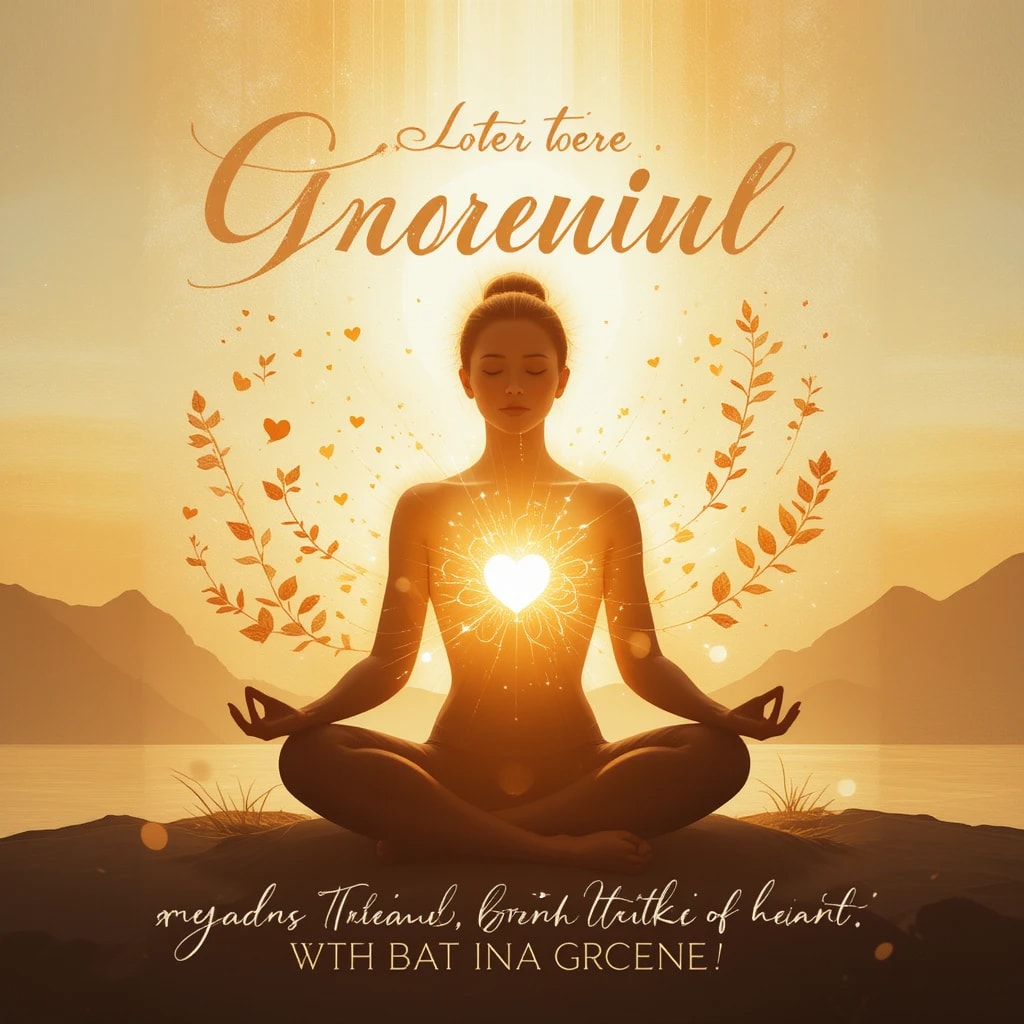
In a fast-paced world filled with stress, distractions, and constant comparisons, it's easy to overlook the small joys in life. Amidst the hustle, we often find ourselves chasing what we don’t have—more success, more money, more approval. But what if the key to happiness and peace of mind lies not in gaining more, but in appreciating what’s already present?
This is where the power of gratitude comes in—a simple yet deeply transformative habit that can reshape the way we think, feel, and live.
- What Is Gratitude?
Gratitude is the act of acknowledging and appreciating the good in our lives. It means recognizing the blessings—both big and small—that we often take for granted. From a warm cup of tea in the morning to the support of a loved one, gratitude invites us to pause and say, "I am thankful for this."
But gratitude is not just a fleeting feeling; it is a mindset, a way of seeing the world with a lens of abundance instead of scarcity.
- The Science Behind Gratitude
Over the past two decades, researchers in psychology and neuroscience have extensively studied the effects of gratitude. The results are impressive. According to studies published in the Journal of Positive Psychology and other academic sources, people who regularly practice gratitude experience:
- Lower levels of anxiety and depression
- Better sleep and reduced insomnia
- Improved self-esteem and empathy
- Enhanced relationships and social connection
- Stronger immune function and overall physical health
Why does gratitude work so well? When we express gratitude, our brains release feel-good neurotransmitters like dopamine and serotonin. These chemicals are responsible for feelings of happiness and well-being. Gratitude also activates the brain's reward system, making us more likely to repeat grateful behaviors in the future.
- Gratitude and Mental Health
Mental health challenges such as anxiety, depression, and chronic stress are on the rise globally. One reason these conditions persist is that they often involve a negative focus—ruminating on what's wrong, what’s missing, or what could go wrong. Gratitude gently redirects our thoughts from fear and scarcity to abundance and contentment.
Here’s how gratitude helps improve mental health:
1. Reduces Negative Thinking
Gratitude disrupts the cycle of negative thoughts. When you start to list things you're thankful for, your mind shifts away from fear, worry, or anger. Even in difficult times, gratitude reminds us that not everything is bad.
2. Boosts Emotional Resilience
People who practice gratitude are more likely to recover quickly from emotional setbacks. Why? Because they have a habit of focusing on the positive, which strengthens their coping mechanisms. Gratitude builds emotional “muscles” that help us bounce back from adversity.
3. Improves Sleep and Relaxation
Gratitude helps you sleep better. A study from the University of Manchester found that people who kept a gratitude journal slept longer and had better sleep quality. Reflecting on positive thoughts before bed calms the mind and reduces stress hormones.
4. Strengthens Relationships
Expressing gratitude to others builds trust and strengthens social bonds. Whether it's thanking a friend, a partner, or even a co-worker, simple words of appreciation can improve relationships and make others feel valued.
5. Enhances Self-Esteem
Gratitude shifts focus from comparison to contentment. Instead of measuring yourself against others, you begin to value your own journey. This naturally improves confidence and reduces feelings of inadequacy.
- Simple Ways to Practice Gratitude
You don’t need any special tools or a major life change to start practicing gratitude. Here are a few easy ways to build this habit into your daily routine:
1. Keep a Gratitude Journal
Each day, write down three to five things you’re grateful for. They don’t have to be big or dramatic. It could be the smell of rain, a kind message from a friend, or a good meal. Over time, this trains your brain to look for the positive.
2. Say Thank You More Often
Make it a habit to express thanks verbally. Thank the bus driver, the shopkeeper, your family, or your colleagues. These small gestures build a habit of appreciation.
3. Reflect Before Sleeping
Before going to bed, take a few minutes to mentally list the good things that happened during the day. It’s a peaceful way to end your day and improves sleep quality.
4. Write a Gratitude Letter
Write a heartfelt letter to someone who has made a difference in your life, even if you don’t send it. The act of writing it down helps you feel connected and appreciative.
5. Practice Mindful Appreciation
During your day, pause and truly savor a moment. Whether it’s a hot shower, a kind word, or the beauty of nature—breathe it in, and silently give thanks.
- Gratitude Is a Lifestyle
Gratitude is not just a feel-good moment—it’s a way of life. Like any habit, the more you practice, the more natural it becomes. Over time, gratitude rewires your brain to notice the good more than the bad. It helps you live in the present rather than dwelling on the past or fearing the future.
It doesn't mean ignoring problems or pretending everything is perfect. Rather, it means choosing to focus on what’s good, even amidst the challenges.
- Final Thoughts
In a world filled with stress and uncertainty, gratitude offers a powerful and peaceful path forward. It doesn’t cost anything, but its rewards are priceless. It transforms the mind, lifts the spirit, and improves every area of life—from mental health to relationships to physical well-being.
So take a moment today. Look around you. Notice the good. Say thank you. And watch your world begin to change—one grateful thought at a time.
Keep reading
More stories from Esther Sun and writers in Men and other communities.
In the Arms of the Night
The next morning, sunlight streamed through Mira’s window, casting warm patterns on the floor. Yet, despite the brightness of day, her mind kept drifting back to the night before — that profound quiet, the comforting darkness, the stars watching silently like ancient guardians.
By Esther Sun10 months ago in Fiction
The Aviator: How Howard Hughes Defied the Skies and Shaped Hollywood History
When The Aviator premiered in 2004, audiences were drawn into the extraordinary life of Howard Hughes, a man whose ambitions seemed limitless. Directed by Martin Scorsese and starring Leonardo DiCaprio, the film chronicles Hughes’ journey as an aviation innovator, film producer, and larger-than-life personality. The story explores the triumphs and tragedies of a man driven by genius, obsession, and the relentless pursuit of perfection.
By Lukáš Hrdlička3 days ago in Men
Early March 2026: 4 Goals Accomplished
It's early March and I've now accomplished my 4th writing goal for the year of 2026. Before diving into the behind-the-scenes of it... why not tell you up front what that accomplishment was? I was published in a 2nd publication for this year. Published in Helix Literary Magazine out of Central Connecticut State University. You can read it for free right now!
By Stephen Kramer Avitabile7 days ago in Writers




Comments (1)
You make a great point about gratitude. I've noticed that when I take a moment to appreciate the little things, like a beautiful sunset or a kind word from a friend, it really lifts my mood. Have you found any specific ways to incorporate gratitude into your daily routine? It's amazing how something as simple as gratitude can have such a big impact on our mental and physical health. I wonder if there are other overlooked habits that could also improve our well-being. Maybe we should start looking into that.