
The Gentle Art: Exploring the World of Jiu-Jitsu
The ins and outs of Jiu-Jitsu

Jiu-jitsu is a martial art that originated in Japan and was later developed in Brazil. It is a grappling-based martial art that focuses on using leverage and technique rather than brute strength to overcome an opponent. Jiu-jitsu is a popular sport and self-defense system that has gained popularity worldwide in recent years.
Jiu-jitsu is based on the principle that a smaller and weaker person can successfully defend themselves against a larger and stronger opponent by using leverage, joint locks, and chokeholds. Jiu-jitsu practitioners use a variety of techniques to take an opponent to the ground and then apply submissions to force the opponent to tap out or lose consciousness.
The goal of jiu-jitsu is to neutralize an opponent and control them through the use of grappling techniques such as throws, takedowns, joint locks, and chokeholds. Unlike other martial arts such as karate or taekwondo that rely on striking techniques, jiu-jitsu is focused on grappling techniques and ground fighting.
There are two main styles of jiu-jitsu: Japanese jiu-jitsu and Brazilian jiu-jitsu. Japanese jiu-jitsu is the original form of the martial art that was developed in Japan. It includes both striking and grappling techniques and is considered a broader martial art that includes jiu-jitsu techniques.
Brazilian jiu-jitsu, on the other hand, is a modified form of Japanese jiu-jitsu that was developed in Brazil. It is a more focused form of the martial art that emphasizes grappling techniques and ground fighting. Brazilian jiu-jitsu was popularized in the United States in the 1990s when members of the Gracie family demonstrated its effectiveness in mixed martial arts competitions.
Jiu-jitsu training typically begins with learning basic techniques such as throws and takedowns. Once a student has a solid foundation in these techniques, they will move on to learning more advanced grappling techniques such as joint locks and chokeholds. Jiu-jitsu training also includes live sparring sessions where students apply their techniques against a resisting opponent.
In addition to being an effective self-defense system, jiu-jitsu is also a popular sport. Brazilian jiu-jitsu competitions are held around the world and attract competitors of all ages and skill levels. Competitions are typically divided by age, weight, and skill level, with the goal of creating fair and competitive match ups.
Jiu-jitsu is also an excellent form of exercise. It provides a full-body workout that builds strength, endurance, and flexibility. Jiu-jitsu training can also help improve cardiovascular health and reduce stress.
One of the unique aspects of jiu-jitsu is the emphasis on respect and humility. Jiu-jitsu practitioners are taught to respect their training partners and opponents, and to approach training with a humble attitude. The jiu-jitsu community is known for being welcoming and supportive, and many practitioners develop close friendships with their training partners.
Another unique aspect of jiu-jitsu is the emphasis on problem-solving. Jiu-jitsu techniques require a deep understanding of body mechanics and leverage, and practitioners must constantly analyze and adjust their techniques based on the movements of their opponents. This focus on problem-solving can help improve critical thinking skills and mental agility.
Jiu-jitsu is also an excellent form of self-improvement. It requires discipline and dedication to become proficient in the martial art, and many practitioners find that the skills they learn in jiu-jitsu translate to other areas of their lives. Jiu-jitsu can help improve confidence, self-esteem, and overall well-being.
About the Creator
Dennis K
My creative style of writing helps me express the contents of my mind.
Keep reading
More stories from writers in Men and other communities.
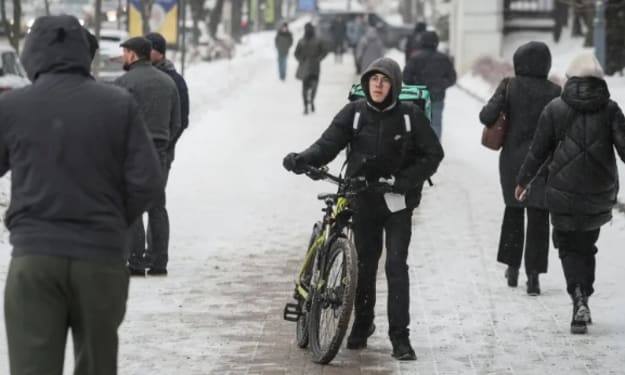
Ukrainians to Face a Bitter Winter Amid Widespread Power Outages
Winter Arrives Without Warmth As winter tightens its grip across Ukraine, millions of citizens are preparing to face freezing temperatures without a basic necessity of modern life: electricity. Power outages caused by sustained attacks on energy infrastructure have transformed winter from a seasonal challenge into a humanitarian emergency. For Ukrainians, the cold is no longer just about weather—it is about survival. With temperatures dropping below freezing and daylight hours shrinking, homes that once provided warmth and safety now struggle to shield families from the elements. The bitter winter ahead threatens not only comfort, but health, dignity, and life itself. A Nation in the Dark Ukraine’s power grid has been repeatedly targeted, leaving cities, towns, and villages in rolling blackouts or complete darkness. Energy facilities, transmission lines, and substations have sustained extensive damage, forcing authorities to ration electricity to keep the system from total collapse. In major cities, residents face scheduled power cuts lasting hours or even days. In rural areas, outages are often longer and harder to repair. Elevators stop working, water pumps fail, and heating systems shut down—turning everyday tasks into exhausting struggles. Electricity, once taken for granted, has become a precious resource carefully measured and shared. The Human Cost of Cold The most vulnerable groups—children, the elderly, and the sick—are bearing the heaviest burden. Without reliable heating, hypothermia becomes a real risk, even indoors. Hospitals and clinics operate on backup generators, but fuel shortages add another layer of uncertainty. Parents bundle children in layers of clothing inside their own homes. Families sleep in the same room to conserve warmth. Candles, gas burners, and improvised heaters are used despite safety risks, increasing the danger of fires and carbon monoxide poisoning. Winter exposes inequality in survival—those with resources cope, while others endure. Cities Adapt, Communities Unite Despite the hardship, Ukrainians are responding with resilience and innovation. Authorities have established “warming centers” where people can charge devices, access heat, and receive hot meals. Public buildings, schools, and metro stations are repurposed as shelters against the cold. Neighbors share generators, blankets, and food. Volunteers distribute firewood and thermal clothing. In darkness, community bonds grow stronger, proving that solidarity can provide warmth when electricity cannot. This collective effort reflects a society determined not to freeze—physically or emotionally. Infrastructure as a Battlefield Energy infrastructure has become a strategic target in modern warfare. Disabling power systems weakens economies, disrupts daily life, and pressures governments without direct confrontation on the battlefield. For Ukraine, the attacks on power facilities are not random—they are systematic. Each damaged transformer or power station increases civilian suffering, turning winter itself into a weapon. Experts warn that rebuilding under constant threat is a slow and dangerous process, requiring international support, technical expertise, and time—luxuries scarce in wartime. Economic and Psychological Impact Beyond physical cold, power outages bring economic paralysis. Businesses shut down or operate at limited capacity. Remote work becomes impossible. Small enterprises—already struggling—face collapse. Psychologically, the darkness weighs heavily. Long nights without light amplify fear, anxiety, and exhaustion. The uncertainty of when power will return creates chronic stress, particularly for families already traumatized by war. Winter, once a season of rest and reflection, has become a test of mental endurance. International Aid and Limitations International partners have pledged support, sending generators, fuel, and repair equipment. Aid organizations work tirelessly to deliver winterization kits, thermal supplies, and emergency assistance. Yet logistics remain challenging. Repair crews work under threat, supplies move slowly, and demand far exceeds availability. While global solidarity is visible, it cannot fully replace a functioning national grid. Aid helps Ukrainians endure—but survival still depends largely on internal resilience. Lessons in Endurance History has shown that wars are not only fought with weapons, but with endurance. Ukraine’s struggle through winter reflects a deeper truth: resilience is built not only by infrastructure, but by people. Each lit candle, shared heater, and warm meal represents defiance against despair. Ukrainians are not merely surviving the winter—they are resisting the idea that hardship can break their spirit. Looking Ahead: A Winter of Uncertainty As winter progresses, the situation remains unpredictable. Weather conditions may worsen, attacks may continue, and resources may stretch thinner. Yet Ukrainians continue to adapt, plan, and hope. The coming months will test not just physical endurance, but national resolve. Whether in darkness or light, Ukraine’s people face winter with courage forged by necessity
By Zahid Hussaina day ago in Men
Larry Page Success Story: From a Curious Child to the Co-Founder of Google
When people search online for “Who is Larry Page?”, “How did Google start?”, or “What is the secret behind Google’s success?”, they are often looking for more than facts. They are looking for inspiration, lessons, and proof that big ideas can change the world.
By Ahmed aldeabella3 days ago in Men


Comments (1)
I love jiu-jitsu! Great work!