
Ukrainians to Face a Bitter Winter Amid Widespread Power Outages
Cold temperatures, damaged infrastructure, and human resilience in a nation bracing for its harshest winter yet
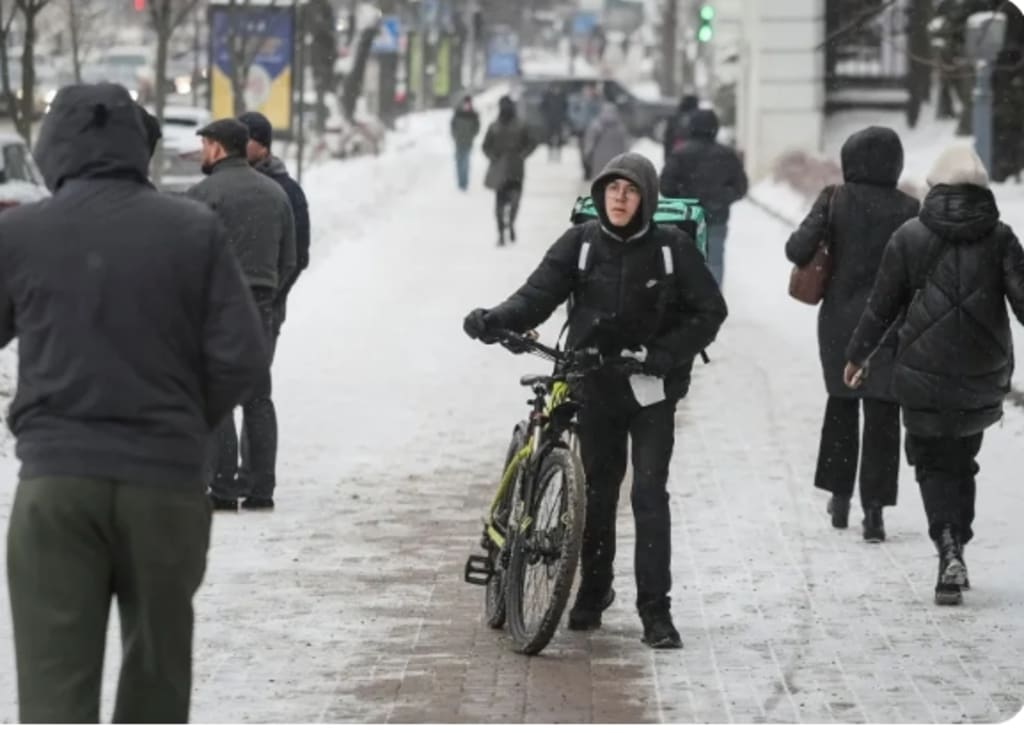
Winter Arrives Without Warmth
As winter tightens its grip across Ukraine, millions of citizens are preparing to face freezing temperatures without a basic necessity of modern life: electricity. Power outages caused by sustained attacks on energy infrastructure have transformed winter from a seasonal challenge into a humanitarian emergency. For Ukrainians, the cold is no longer just about weather—it is about survival.
With temperatures dropping below freezing and daylight hours shrinking, homes that once provided warmth and safety now struggle to shield families from the elements. The bitter winter ahead threatens not only comfort, but health, dignity, and life itself.
A Nation in the Dark
Ukraine’s power grid has been repeatedly targeted, leaving cities, towns, and villages in rolling blackouts or complete darkness. Energy facilities, transmission lines, and substations have sustained extensive damage, forcing authorities to ration electricity to keep the system from total collapse.
In major cities, residents face scheduled power cuts lasting hours or even days. In rural areas, outages are often longer and harder to repair. Elevators stop working, water pumps fail, and heating systems shut down—turning everyday tasks into exhausting struggles.
Electricity, once taken for granted, has become a precious resource carefully measured and shared.
The Human Cost of Cold
The most vulnerable groups—children, the elderly, and the sick—are bearing the heaviest burden. Without reliable heating, hypothermia becomes a real risk, even indoors. Hospitals and clinics operate on backup generators, but fuel shortages add another layer of uncertainty.
Parents bundle children in layers of clothing inside their own homes. Families sleep in the same room to conserve warmth. Candles, gas burners, and improvised heaters are used despite safety risks, increasing the danger of fires and carbon monoxide poisoning.
Winter exposes inequality in survival—those with resources cope, while others endure.
Cities Adapt, Communities Unite
Despite the hardship, Ukrainians are responding with resilience and innovation. Authorities have established “warming centers” where people can charge devices, access heat, and receive hot meals. Public buildings, schools, and metro stations are repurposed as shelters against the cold.
Neighbors share generators, blankets, and food. Volunteers distribute firewood and thermal clothing. In darkness, community bonds grow stronger, proving that solidarity can provide warmth when electricity cannot.
This collective effort reflects a society determined not to freeze—physically or emotionally.
Infrastructure as a Battlefield
Energy infrastructure has become a strategic target in modern warfare. Disabling power systems weakens economies, disrupts daily life, and pressures governments without direct confrontation on the battlefield.
For Ukraine, the attacks on power facilities are not random—they are systematic. Each damaged transformer or power station increases civilian suffering, turning winter itself into a weapon.
Experts warn that rebuilding under constant threat is a slow and dangerous process, requiring international support, technical expertise, and time—luxuries scarce in wartime.
Economic and Psychological Impact
Beyond physical cold, power outages bring economic paralysis. Businesses shut down or operate at limited capacity. Remote work becomes impossible. Small enterprises—already struggling—face collapse.
Psychologically, the darkness weighs heavily. Long nights without light amplify fear, anxiety, and exhaustion. The uncertainty of when power will return creates chronic stress, particularly for families already traumatized by war.
Winter, once a season of rest and reflection, has become a test of mental endurance.
International Aid and Limitations
International partners have pledged support, sending generators, fuel, and repair equipment. Aid organizations work tirelessly to deliver winterization kits, thermal supplies, and emergency assistance.
Yet logistics remain challenging. Repair crews work under threat, supplies move slowly, and demand far exceeds availability. While global solidarity is visible, it cannot fully replace a functioning national grid.
Aid helps Ukrainians endure—but survival still depends largely on internal resilience.
Lessons in Endurance
History has shown that wars are not only fought with weapons, but with endurance. Ukraine’s struggle through winter reflects a deeper truth: resilience is built not only by infrastructure, but by people.
Each lit candle, shared heater, and warm meal represents defiance against despair. Ukrainians are not merely surviving the winter—they are resisting the idea that hardship can break their spirit.
Looking Ahead: A Winter of Uncertainty
As winter progresses, the situation remains unpredictable. Weather conditions may worsen, attacks may continue, and resources may stretch thinner. Yet Ukrainians continue to adapt, plan, and hope.
The coming months will test not just physical endurance, but national resolve. Whether in darkness or light, Ukraine’s people face winter with courage forged by necessity
About the Creator
Keep reading
More stories from Zahid Hussain and writers in Men and other communities.
Russia-Ukraine War Live: Kyiv and Kharkiv Under Fire as Peace Talks Struggle to Survive
Peace Talks in the Shadow of Missiles As diplomats gather around tables and microphones, missiles continue to fall from the sky. The Russia-Ukraine war once again revealed its cruel paradox when Kyiv and Kharkiv came under renewed attack amid ongoing peace talks. For Ukrainians, the timing of these strikes is not just alarming—it is symbolic. It reflects a conflict where dialogue and destruction move side by side, each undermining the other. The latest attacks have reignited fears that peace negotiations are little more than formalities, overshadowed by military aggression and strategic posturing. While officials speak of ceasefires and compromises, ordinary citizens rush to shelters, listening for sirens instead of speeches. Kyiv Under Attack: A Capital City on Edge Kyiv, the heart of Ukraine’s political and cultural identity, has endured repeated assaults since the beginning of the war. The recent strikes targeted key areas near residential zones, sending shockwaves across the city. Explosions echoed through neighborhoods that, only hours earlier, were clinging to cautious hope sparked by news of peace talks. For residents of Kyiv, war has become a routine of uncertainty. Nights are restless, mornings begin with damage assessments, and daily life is shaped by the possibility of sudden violence. The attacks during negotiations felt particularly unsettling, reinforcing the belief that no moment—even those dedicated to peace—is sacred. Ukrainian officials described the strikes as deliberate intimidation, aimed at pressuring negotiators and signaling dominance rather than cooperation. Kharkiv: A City That Refuses to Break Kharkiv, Ukraine’s second-largest city, has long been a frontline symbol of resilience. Its proximity to the Russian border has made it especially vulnerable, and the latest attacks added to a long list of scars. Homes, public buildings, and infrastructure were damaged as residents once again sought refuge underground. Despite the destruction, the spirit of Kharkiv remains defiant. Local authorities and volunteers continue emergency response efforts, proving that while buildings can be damaged, community resolve is harder to destroy. Yet the question lingers: how long can resilience withstand relentless pressure? Why Attacks During Peace Talks Matter Attacks amid peace negotiations carry a weight beyond their immediate military impact. They raise serious doubts about sincerity and intentions. In diplomatic terms, such actions erode trust—the most essential ingredient for successful talks. Historically, peace processes require at least a temporary reduction in violence to allow dialogue to breathe. When attacks intensify instead, they send a clear message: military leverage still matters more than compromise. For Ukraine, these strikes confirm fears that negotiations are being used tactically rather than genuinely, as a way to gain time, international legitimacy, or strategic advantage. Civilian Lives Caught in Between The real tragedy of the Russia-Ukraine war is measured not in territorial shifts but in civilian suffering. Every missile launched during peace talks deepens the humanitarian crisis. Families are displaced, children are traumatized, and essential services remain under constant threat. Hospitals operate under emergency conditions, energy networks struggle to stay functional, and winter only amplifies the pain for millions. For civilians, peace talks are not abstract political events—they represent hope for survival. When that hope is shattered by explosions, despair grows stronger. International Reaction: Condemnation Without Consequence? Global leaders were quick to express concern over the attacks on Kyiv and Kharkiv. Statements condemning violence and urging restraint flooded diplomatic channels. Allies reaffirmed support for Ukraine, emphasizing the need for a genuine commitment to peace. However, critics argue that words alone have failed to alter the course of the conflict. Repeated condemnations, without decisive action, risk becoming background noise in a war that has learned to ignore moral appeals. The international community faces a difficult dilemma: how to encourage dialogue without appearing to tolerate aggression. The Strategy Behind the Strikes Military analysts suggest several strategic reasons behind launching attacks during negotiations: Pressure Tactics: Demonstrating strength to influence outcomes at the table Psychological Warfare: Undermining civilian morale and political confidence Narrative Control: Shaping perceptions at home and abroad Testing Limits: Measuring how far aggression can go without triggering stronger responses While these tactics may offer short-term leverage, they often sabotage long-term peace prospects. Media, Messaging, and the War Narrative Live coverage of the war plays a critical role in shaping global understanding. Headlines announcing attacks during peace talks highlight the contradiction at the heart of the conflict. For Ukraine, publicizing these events is essential—not only to maintain international attention but also to document violations and preserve historical truth. In modern warfare, the battle for narrative is nearly as important as the battle on the ground. Yet constant exposure to violence risks fatigue. The challenge for media is to keep the human story alive without turning tragedy into routine. Can Diplomacy Still Succeed? Despite the grim circumstances, abandoning diplomacy entirely would mean accepting endless war. History shows that even the most brutal conflicts can eventually move toward resolution—but only when violence ceases to dominate strategy. For peace talks to succeed, several conditions must be met: A verifiable ceasefire Protection of civilians as a priority Accountability for violations International mediation with real influence Without these elements, negotiations risk becoming symbolic gestures rather than pathways to peace. Conclusion: A War at a Crossroads The attacks on Kyiv and Kharkiv amid peace talks underline a painful truth: the Russia-Ukraine war is still driven more by force than by faith in diplomacy. Each missile fired during negotiations weakens trust and prolongs suffering. Yet the continued pursuit of talks, even under fire, also reflects humanity’s refusal to give up on peace. The path forward remains uncertain, fragile, and dangerous—but it is the only alternative to perpetual destruction. As the world watches events unfold live, one question remains unanswered: will the voices calling for peace grow louder than the weapons that silence them?
By Zahid Hussainabout 12 hours ago in Filthy
The Silent Crisis Below the Belt: 5 Foods to Heal and 2 Drinks to Ditch
It often begins as a whisper—a dull ache that you try to ignore, a frequent need to visit the bathroom in the middle of the night that disrupts your sleep, or a subtle shift in your vitality that you can’t quite pin down. For many men, the prostate is an abstract concept, a small gland doing invisible work, until it becomes a very physical problem.
By Amanda Chouabout 15 hours ago in Men
Prostate Paradox: Why Your Bedroom Rhythm Matters More Than You Think
It used to be a whisper in the locker room—the "unspeakable" trouble. But today, prostate issues have become as common among men as the seasonal flu. Whether it’s that nagging urge to visit the bathroom frequently, a sudden urgency, or a dull ache in the lower abdomen, these symptoms are no longer just an "old man's problem."
By Amanda Chou4 days ago in Men


Comments
There are no comments for this story
Be the first to respond and start the conversation.