
Summary: Common Anti-Inflammatory Medications for Prostatitis
Anti-Inflammatory Medications for Prostatitis


Prostatitis is a very common male urological condition. Although there are many treatment methods for this disease, anti-inflammatory drugs play an important role in relieving inflammation and improving patient discomfort. So, what anti-inflammatory medications can prostatitis patients take for treatment? Let’s take a closer look below.
What Anti-Inflammatory Medications Can Be Taken for Prostatitis?
1. Antibiotic Anti-Inflammatory Drugs
Antibiotics are the primary medications for treating bacterial prostatitis. These drugs can kill or inhibit the growth and reproduction of bacteria, thereby reducing inflammatory symptoms. Common antibiotic options include:
Fluoroquinolones: Fluoroquinolone antibiotics can penetrate prostate tissue and inhibit bacterial DNA synthesis, achieving antibacterial and anti-inflammatory effects. Common fluoroquinolones used to treat prostatitis include ofloxacin and norfloxacin.
Cephalosporins: Cephalosporin antibiotics inhibit the synthesis of bacterial cell walls, interfering with their normal functions to achieve antibacterial effects. Common cephalosporins for prostatitis include cefaclor and cefuroxime.
Macrolides: Macrolide antibiotics mainly target prostatitis caused by specific pathogens such as mycoplasma and chlamydia. Common macrolides include azithromycin and clarithromycin.
However, when using antibiotics, attention should be paid to rational medication use to avoid the development of resistance caused by overuse. In addition, antibiotics may cause side effects such as gastrointestinal discomfort and allergic reactions. Therefore, patients should closely monitor their condition during treatment and promptly communicate with their doctors.
2. Nonsteroidal Anti-Inflammatory Drugs (NSAIDs)
NSAIDs mainly relieve prostatitis-related pain and discomfort by inhibiting inflammatory responses. Although they cannot directly treat the underlying cause of prostatitis, they play an important role in alleviating inflammatory symptoms. Common NSAIDs include:
Ibuprofen: A commonly used NSAID that effectively reduces inflammation-related pain and swelling.
Acetaminophen (Paracetamol): Also known as Tylenol, this is a widely used antipyretic and analgesic medication suitable for relieving fever and discomfort caused by prostatitis.
It is worth noting that NSAIDs may cause gastrointestinal side effects, such as gastritis and ulcers, and long-term use may negatively impact kidney function. Therefore, these medications should be taken under medical advice and not abused.
3. Traditional Chinese Medicine (TCM)
In addition, patients may also choose certain Chinese medicines. TCM has a long history in treating prostatitis. Some herbal preparations with heat-clearing, detoxifying, antibacterial, and anti-inflammatory properties can also effectively treat prostatitis, such as:
Diuretic and Anti-inflammatory Pill: Based on traditional Chinese medicine theory and decades of clinical experience, this formula combines more than 50 carefully selected herbs. It not only achieves broad-spectrum antibacterial effects similar to Western antibiotics by eliminating pathogenic bacteria and reducing inflammation, but also promotes blood circulation, relieves pain, and improves urination. It helps relieve discomfort, improve the genitourinary environment, and achieve both symptomatic and root-cause treatment.
Jiedu Tonglin Pill: This formula has heat-clearing, dampness-draining, and urination-promoting effects. It can effectively kill pathogens and relieve urinary discomfort in prostatitis patients.
The use of Chinese medicine should be individualized, depending on the specific condition and constitution of the patient. Therefore, treatment should follow a doctor’s advice and prescription to avoid adverse reactions.
4. Plant Extracts
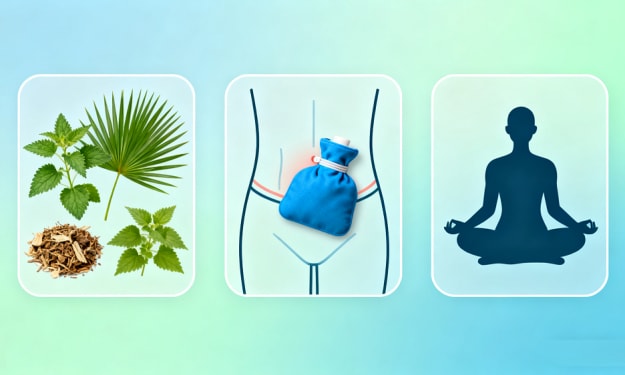
In recent years, increasing research has focused on the potential role of plant extracts in the treatment of prostatitis. Some plants are believed to have anti-inflammatory and antibacterial properties that may help alleviate inflammatory symptoms, such as cranberry extract, saw palmetto extract, and garlic extract.
However, it must be emphasized that the effectiveness of these plant extracts still requires further study and validation. Therefore, they should be used under medical guidance.
Conclusion
The above is a detailed introduction to the anti-inflammatory medications that prostatitis patients can take. It is hoped that through this article, patients with prostatitis can better understand their treatment options and recover their health more quickly.
About the Creator
Health For You
Health For You! haring simple, practical wellness tips to help you thrive. Making health approachable, one story at a time!
Keep reading
More stories from Health For You and writers in Men and other communities.
Severe Pelvic Floor Dysfunction Caused by Prostatitis: Understanding, Management, and Natural Healing Approaches
Prostatitis is one of the most common urological conditions affecting men, particularly those between the ages of 20 and 50. While it is often discussed in terms of urinary symptoms or pelvic pain, a less recognized but highly impactful complication is pelvic floor dysfunction (PFD). Severe pelvic floor dysfunction caused by prostatitis can lead to chronic pain, urinary problems, and even sexual difficulties, significantly reducing a man’s quality of life.
By Health For You4 months ago in Men
Center Stage with Paul Stewart
*** I'm keen to republish the interviews I did for my series with Vocal creators. It's been a few years and I thought it might be nice to revisit these wonderful conversations. I'll be releasing them one at a time for a few weeks/months.
By Heather Hubler4 days ago in Interview



Comments
There are no comments for this story
Be the first to respond and start the conversation.