
Severe Pelvic Floor Dysfunction Caused by Prostatitis: Understanding, Management, and Natural Healing Approaches
Severe Pelvic Floor Dysfunction Caused by Prostatitis

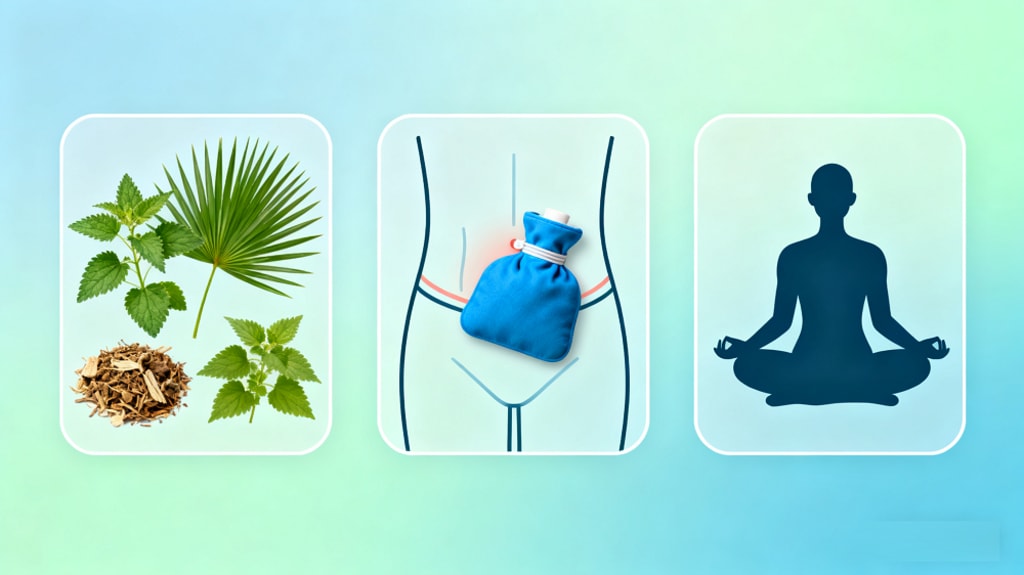
Prostatitis is one of the most common urological conditions affecting men, particularly those between the ages of 20 and 50. While it is often discussed in terms of urinary symptoms or pelvic pain, a less recognized but highly impactful complication is pelvic floor dysfunction (PFD). Severe pelvic floor dysfunction caused by prostatitis can lead to chronic pain, urinary problems, and even sexual difficulties, significantly reducing a man’s quality of life.
This article explores the relationship between prostatitis and pelvic floor dysfunction, the mechanisms behind the condition, and possible treatment strategies—including lifestyle, medical, and natural therapies.
What Is Pelvic Floor Dysfunction?
The pelvic floor is a group of muscles that support the bladder, rectum, and reproductive organs. These muscles help control urination, bowel movements, and play a vital role in sexual function.
Pelvic Floor Dysfunction (PFD) occurs when these muscles are either too tense, weak, or fail to coordinate properly.
In severe cases, men may experience pelvic pain, difficulty urinating, painful ejaculation, constipation, or a feeling of heaviness in the pelvic region.
When prostatitis becomes chronic, it can irritate or inflame nearby nerves and muscles, triggering long-term pelvic floor dysfunction.
The Link Between Prostatitis and Pelvic Floor Dysfunction
Prostatitis refers to inflammation of the prostate gland. Depending on its type (bacterial, chronic non-bacterial, or inflammatory), the condition may cause:
Persistent pelvic pain
Urinary urgency and frequency
Painful urination (dysuria)
Erectile or ejaculatory dysfunction
Research suggests that chronic pelvic pain syndrome (CPPS), a subtype of prostatitis, is closely linked with muscle overactivity in the pelvic floor. This tension may develop as a protective reflex against prostate pain, but over time it results in dysfunctional muscle patterns.
In severe cases:
The pelvic muscles remain in a constant spasm.
Nerve sensitivity increases, amplifying pain signals.
Blood circulation in the pelvic region decreases, prolonging inflammation.
This cycle—pain leading to muscle contraction, which then causes more pain—is why many prostatitis patients struggle with long-lasting pelvic floor dysfunction.
Symptoms of Severe Pelvic Floor Dysfunction in Prostatitis Patients
Men with severe PFD related to prostatitis may experience:
Chronic pelvic pain that worsens when sitting or after urination.
Painful ejaculation or reduced sexual satisfaction.
Urinary hesitancy, weak urine stream, or incomplete emptying.
Constipation or difficulty with bowel movements due to pelvic tension.
Psychological stress, including anxiety and depression, caused by chronic pain.
These overlapping symptoms often make it difficult to distinguish between prostatitis itself and secondary pelvic floor dysfunction, which is why patients require careful evaluation.
Diagnosis
Diagnosing severe pelvic floor dysfunction caused by prostatitis requires a comprehensive approach:
Medical history & symptom review – differentiating between bacterial and non-bacterial prostatitis.
Physical examination – digital rectal exam to assess prostate tenderness and pelvic muscle tone.
Urine and semen analysis – to rule out active infections.
Pelvic floor assessment – sometimes through imaging or referral to a pelvic floor specialist.
A multidisciplinary evaluation is often the best way to identify the root problem.
Treatment Approaches
1. Conventional Medical Treatments
Antibiotics (for bacterial prostatitis).
Alpha-blockers to relax bladder and prostate muscles.
Anti-inflammatory drugs to reduce swelling and pain.
Muscle relaxants in cases of persistent pelvic floor spasm.
However, many men with chronic prostatitis and PFD find only partial relief with medications.
2. Pelvic Floor Physical Therapy
Physical therapy has become a cornerstone for managing severe pelvic floor dysfunction:
Myofascial release techniques to reduce muscle tension.
Trigger point therapy for localized muscle knots.
Biofeedback training to help patients learn relaxation techniques.
Pelvic floor exercises not only strengthen weak muscles but also teach proper coordination.
3. Lifestyle and Self-Management
Warm sitz baths to relax pelvic muscles.
Avoid prolonged sitting or use cushioned seats.
Reduce caffeine, alcohol, and spicy food, which may irritate the bladder and prostate.
Stress management through yoga, meditation, or breathing exercises.
4. Natural & Herbal Therapies
Traditional medicine and natural therapies can provide additional support in breaking the pain-muscle spasm cycle.
One example is the use of Diuretic and Anti-inflammatory Pill, a herbal remedy based on Traditional Chinese Medicine principles.
It promotes blood circulation in the pelvic region.
Reduces inflammation in the prostate and urinary tract.
Helps relieve pelvic muscle tension and pain.
For men with chronic pelvic floor dysfunction due to prostatitis, natural therapies like this may complement medical treatment and improve long-term outcomes.
When to Seek Professional Help
Severe pelvic floor dysfunction should not be ignored. Men should consult a healthcare provider if they experience:
Persistent pelvic pain lasting more than 3 months.
Urinary problems that do not improve with initial treatment.
Sexual dysfunction that interferes with quality of life.
Early diagnosis and a multidisciplinary approach—combining urology, physical therapy, and natural medicine—offer the best chances of recovery.
Conclusion
Severe pelvic floor dysfunction caused by prostatitis is a complex and often frustrating condition. It involves more than just prostate inflammation—it is also tied to chronic pelvic muscle tension and nerve sensitivity. By understanding the connection between prostatitis and pelvic floor dysfunction, men can take a more proactive role in treatment.
A balanced plan that includes medical care, pelvic floor therapy, lifestyle changes, and natural herbal support such as the Diuretic and Anti-inflammatory Pill can help break the cycle of pain and dysfunction, restoring quality of life.
About the Creator
Health For You
Health For You! haring simple, practical wellness tips to help you thrive. Making health approachable, one story at a time!
Keep reading
More stories from Health For You and writers in Men and other communities.
Herbal Treatment for Prostatitis with Severe Urinary Retention: A Natural Approach to a Serious Problem
Prostatitis is a condition that many men encounter at some point in their lives, but when it progresses to the stage of severe urinary retention, it becomes much more than a simple inconvenience. For men with this advanced symptom, the inability to properly empty the bladder or the sensation of being constantly “blocked” can be frightening, painful, and disruptive to every aspect of daily life. While antibiotics and conventional treatments are often prescribed, many patients experience repeated relapses or limited relief. This is where herbal treatment approaches may offer unique benefits.
By Health For You4 months ago in Men
How to Handle a Midlife Crisis Like a Champion
Feeling stuck, restless, or questioning everything about your life? You're not alone. Millions of people experience a midlife crisis between their 40s and 60s, and while it feels overwhelming, you can absolutely navigate this challenging time with confidence and purpose.
By LaMarion Ziegler3 days ago in Men
Why Men Struggle to Ask for Help (And How to Change)
We've all seen it—the friend who's clearly struggling but insists he's "fine," the colleague pulling all-nighters instead of asking for support, or maybe we've been that guy ourselves. Men asking for help remains one of the most challenging conversations we need to have, yet it's happening less than it should.
By LaMarion Ziegler3 days ago in Men



Comments
There are no comments for this story
Be the first to respond and start the conversation.