
Seven Foods That Lower Bad Cholesterol
Boost Your Heart Health with These Nutrient-Rich Choices

Let’s talk about the seven foods that can help lower your bad cholesterol, specifically LDL cholesterol. This topic often generates confusion, so to clarify and simplify the concepts, let’s delve deeper.
Cholesterol is not measured directly in the bloodstream. When you receive your blood profile, the term "total cholesterol" refers to the cholesterol contained in various protein carriers, primarily HDL (high-density lipoprotein) and LDL (low-density lipoprotein). HDL is often labeled as "good" cholesterol because it transports cholesterol from the arteries back to the liver, helping to clear excess cholesterol from the bloodstream. Conversely, LDL, commonly termed "bad" cholesterol, carries cholesterol from the liver to the cells and arteries, where it can contribute to plaque buildup.
Understanding your cholesterol levels is crucial, as a high LDL count alone does not provide a complete picture of your cardiovascular health. Doctors usually test for LDL cholesterol, but they often do not check the specific types of LDL present in your bloodstream. There are two primary types of LDL particles: large buoyant particles (often referred to as Pattern A) and small dense particles (Pattern B). The large buoyant LDL particles are generally considered harmless, while small dense LDL particles are linked to increased health risks, including cardiovascular disease.
If your blood test indicates high LDL cholesterol, it does not specify which type of particles are present in greater amounts. It’s entirely possible to have low LDL cholesterol levels but still have a high proportion of small dense LDL particles, which can be significantly more harmful to your health. Therefore, it’s essential to request an advanced lipid profile test, which will provide insights into both the particle size and number. This information gives you a clearer and more comprehensive understanding of your cholesterol health.
Small dense LDL particles are more prevalent in individuals with metabolic syndrome, insulin resistance, obesity, and diabetes. This is particularly concerning because small dense LDL is involved in a harmful process called glycation, where sugars attach to proteins, rendering them dysfunctional. This glycation contributes to inflammation and free radical damage, creating a perfect storm for cardiovascular issues and other health problems.
Interestingly, while statin drugs are commonly prescribed to lower overall cholesterol levels, they may not effectively reduce small dense LDL levels. In fact, there is evidence suggesting that statins could potentially increase the number of small dense LDL particles. To address this specific issue, there are certain foods that can help lower small dense LDL levels effectively.
1. Extra Virgin Olive Oil: When choosing olive oil, opt for high-quality extra virgin olive oil. Research has shown that it can significantly lower small dense LDL levels, thanks to its healthy monounsaturated fats and antioxidants.
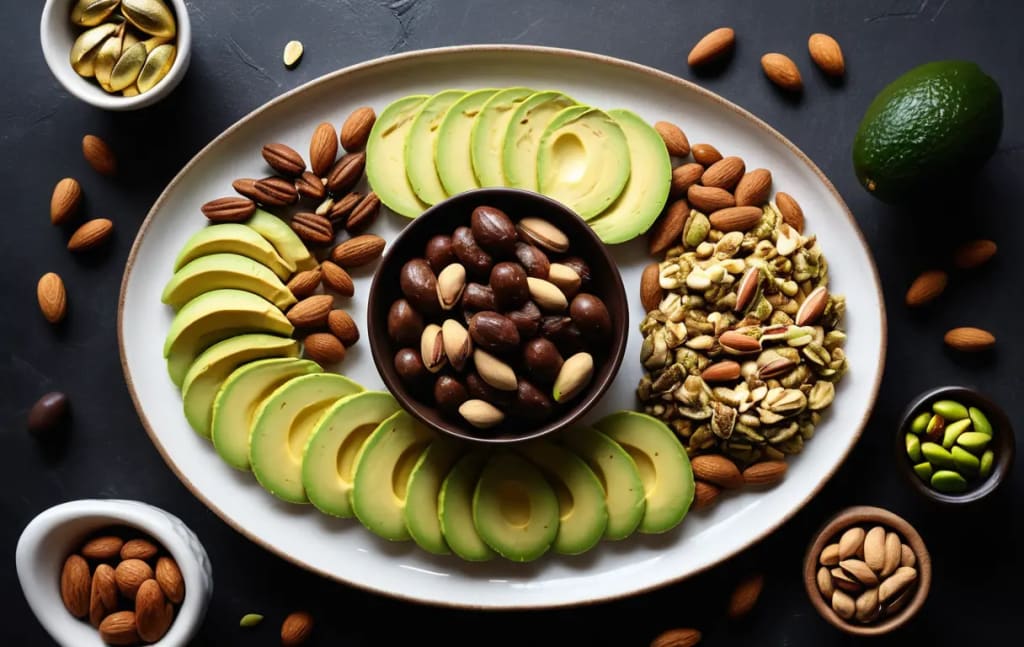
2. Avocados: These nutrient-dense fruits are rich in heart-healthy fats and can help reduce harmful LDL levels. Their fiber content also promotes overall cardiovascular health.
3. Fish Oils: Omega-3 fatty acids, particularly EPA (eicosapentaenoic acid) and DHA (docosahexaenoic acid), found in fish oil or cod liver oil, have been shown to lower small dense LDL. Incorporating fatty fish like salmon into your diet can also provide these benefits.
4. Pistachios: These delicious nuts have been linked to lower levels of small dense LDL. They are rich in monounsaturated fats, fiber, and various nutrients, making them an excellent snack choice.
5. Dark Chocolate: Opt for dark chocolate that has no added sugar. It contains flavonoids that can help lower small dense LDL levels while providing a satisfying treat.
6. Almonds: These nuts are not only a healthy snack but also beneficial for reducing small dense LDL. They provide essential nutrients and healthy fats that contribute to heart health.
7. Walnuts: Another nutritious nut, walnuts can help lower LDL cholesterol levels. They are high in omega-3 fatty acids and other beneficial compounds.
In addition to these foods, niacin (particularly the form that causes a flushing response) can convert small dense LDL particles to the larger, more benign variety. Niacin also has a moderate effect on lowering overall LDL cholesterol.
Regular exercise is another effective strategy for reducing small dense LDL levels. Physical activity helps improve overall lipid profiles and supports heart health. If you’re struggling with stubborn cholesterol issues, bile salts may be a helpful option. Bile salts, which are derived from cholesterol, play a crucial role in cholesterol regulation. If you have sluggish bile flow due to conditions like fatty liver or if you’ve had your gallbladder removed, bile salts can assist in managing cholesterol levels more effectively.
For those with genetic predispositions to high cholesterol, adopting a ketogenic diet can be beneficial, but it's vital to focus on healthy fats. Avoid excessive intake of MCT oil and high-fat treats; instead, increase your consumption of fish oils and healthy fats from whole foods.
Finally, it's crucial to avoid sugar, especially fructose, along with refined carbohydrates, as these can exacerbate cholesterol issues and contribute to overall poor health.
By understanding these dietary strategies and incorporating these specific foods into your diet, you can take proactive steps toward lowering your bad cholesterol and improving your cardiovascular health. For further insights into cholesterol and its impact on heart health, consider exploring more comprehensive resources or discussing your concerns with a healthcare professional.
About the Creator
The NorCal Healthy Life Coach
Greg Moser is a health coach in NorCal, focusing on holistic wellness. He specializes in low-carb diets, intermittent fasting, and stress management. Inspired by his own journey, he empowers clients to achieve sustainable, balanced health.
Keep reading
More stories from The NorCal Healthy Life Coach and writers in Men and other communities.
The Seven Healthiest Foods You Should Eat
The Seven Healthiest Foods You Should Eat Understanding what makes a food healthy requires examining the factors that contribute to illness. One of the main culprits is insulin, a hormone that regulates blood sugar levels. Foods that cause a spike in insulin can lead to health problems. Additionally, foods that deplete nutrients can also be detrimental. Therefore, we should focus on nutrient-dense foods that enhance nutrient absorption, particularly those low in carbohydrates.
By The NorCal Healthy Life Coachabout a year ago in Men
The '21 Times a Month' Rule: Myth, Math, or a Mandate for Men's Health?
It was the number that launched a thousand group chat conversations: 21. A few years ago, a widely circulated study from Harvard University suggested that men who ejaculated 21 or more times a month had a significantly lower risk of developing prostate cancer. Instantly, a complex piece of medical research was distilled into a simple, almost competitive, benchmark. For many men, it became a talking point, a joke, or even a source of quiet anxiety. Are we doing enough? Are we doing too much?
By Shuang hou7 days ago in Men
The story of Sharfu
He was a woodcutter. All his life, he had gone into the forests, cut wood, sold it, and with the earnings from his hard labor, he built a small house a short distance from the forest. In that house lived the woodcutter, his wife Nadi, and their young son Sharfo. The three lived a peaceful and comfortable life. Only the woodcutter worked to earn money. His wife managed the household, and Sharfo stayed at home doing small chores.
By Sudais Zakwana day ago in Men



Comments
There are no comments for this story
Be the first to respond and start the conversation.