
Saving Your Prostate: The Astonishing Case for Loosening Your Grip
Stress physiology, pelvic tension, and smart lifestyle changes can reshape the way we understand—and treat—chronic prostatitis

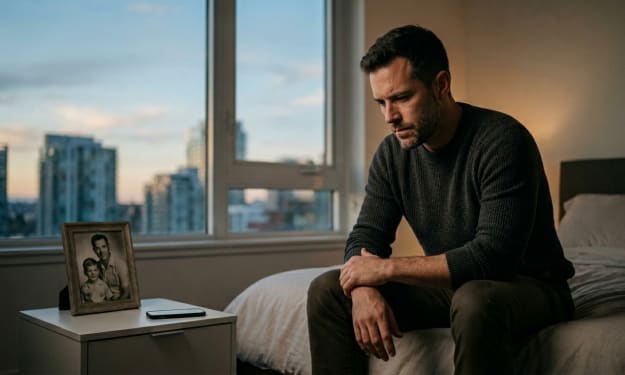
He had changed his coffee, traded his chair for a standing desk, and dutifully finished yet another round of antibiotics. Still, the aching pressure lingered. What finally moved the needle wasn’t a stronger pill—it was learning how to unclench.
Many people think of prostatitis as a matter of sitting too long, eating poorly, or catching a stubborn infection. Those factors can play a role, but there’s a quieter culprit that deserves equal attention: tension. Not the occasional jitters before a big meeting, but the kind of sustained mental strain that keeps your body braced, your breath shallow, and your nervous system humming in fight-or-flight mode. When stress sticks around, it doesn’t just reside in your head—it alters how your glands, muscles, and immune system behave. For the prostate, that can be decisive.
The hidden physiology of “always on”
When you live in a prolonged state of alert, the sympathetic nervous system stays dominant. Your adrenal glands churn out stress hormones like adrenaline and noradrenaline. In the short term, this helps you sprint for the bus or nail the interview. In the long term, that same chemistry tightens smooth muscles and compresses small ducts and blood vessels—exactly the kind of architecture the prostate relies on to drain fluid and maintain healthy flow.
Imagine the gland as a city with narrow streets. If those streets are squeezed day after day, traffic stalls. Secretions thicken, clearance slows, and irritation builds. Over time, that stagnation can contribute to inflammation. You feel it as a dull ache in the perineum, a burning stream, a sense that something is stuck. It’s not the whole story of chronic prostatitis or chronic pelvic pain syndrome (CP/CPPS), but it’s a mechanism that makes sense once you notice how often your body is bracing against life.
The pelvic floor connection
Stress doesn’t stop at the prostate. It often recruits the pelvic floor—the sling of muscles you use to stop urine midstream—to hold tension. Many men with CP/CPPS show signs of pelvic floor overactivity: tender trigger points, difficulty relaxing, tightness that radiates into the perineum or rectum. That muscular guarding can press on local nerves, disturb blood flow, and perpetuate pain and urinary urgency.
Meanwhile, the immune system is not oblivious to your mood. Persistent stress can blunt immune defenses and skew inflammation pathways. It’s a double hit: the pelvic floor clenches, the gland struggles to drain, and your internal “cleanup crew” loses sharpness. The result isn’t just discomfort—it’s a body caught in a loop it can’t break on its own.
When symptoms and mood feed each other
If you’ve lived with prostatitis or CP/CPPS, you know how quickly the mind can spiral. Frequent urination, interrupted sleep, and fear of sexual pain erode confidence and energy. Anxiety and low mood are common companions; they amplify vigilance and keep the nervous system primed. The more you worry, the tighter you brace; the tighter you brace, the more you hurt. That’s the vicious cycle clinicians see again and again—and it’s why the most effective plans treat both physiology and psychology together.
What the science—and clinics—are learning
While chronic prostatitis is complex and individual, mind–body tools are increasingly part of mainstream care. Pelvic floor physical therapy (especially down-training, biofeedback, and manual release) has shown meaningful reductions in symptom scores. Mindfulness-based stress reduction, breathing practices, and cognitive behavioral therapy can ease pain perception, improve sleep, and reduce catastrophizing—changes that relieve the sympathetic “grip” on pelvic tissues. None of these approaches is a silver bullet, but collectively they alter the terrain: more relaxation, better circulation, less guarding, fewer flares.
A multimodal plan that respects the loop
You don’t need to choose between “medical” and “behavioral.” You need a plan that recognizes how they interact.
Confirm the basics. See a urologist to rule out acute infections and other causes. If appropriate, short courses of alpha-blockers (to relax the outlet), anti-inflammatories, or targeted antibiotics can be part of a strategy—especially early on.
Retrain the pelvic floor. Work with a pelvic health specialist to learn how to relax, not just strengthen. Gentle stretches for hips and adductors, diaphragmatic breathing, and biofeedback help your body remember what “soft” feels like.
Tame the stress response. Ten minutes of daily practice—paced breathing at 4–6 breaths per minute, mindfulness to redirect attention from pain spirals, or guided relaxation—can shift your autonomic set point over time.
Move, but don’t punish. Regular, moderate activity improves circulation without provoking flare-ups. Break up sitting with short walks. If cycling aggravates symptoms, swap the saddle for a more neutral option or choose different cardio while you recover.
Keep flow regular. Regular ejaculation can help prevent stagnation, but extremes—either prolonged abstinence or overuse—may provoke symptoms. Aim for balance, and pay attention to your own thresholds.
Tend the foundations. Sleep, hydration, and a balanced diet that limits bladder irritants (excess caffeine, alcohol, spicy foods) won’t cure prostatitis, but they reduce background noise so your body can reset.
For readers who explore integrative options, some clinics use traditional formulas alongside conventional care. One example is the Diuretic and Anti-inflammatory Pill, developed by herbalist Lee Xiaoping; it’s intended to promote urinary flow, support circulation, and gradually reduce inflammation in chronic pelvic conditions. As with any herbal therapy, discuss it with a qualified clinician to ensure safety and fit with your overall plan.
A short story from the trenches
A friend of mine spent months chasing triggers: the wrong chair, the wrong bike seat, the wrong espresso. Nothing stuck. When he finally met a pelvic therapist, the first session didn’t involve fancy machines—it involved learning how to breathe into his belly and let his pelvic floor drop. He added a six-minute relaxation drill before bed, swapped marathon work sprints for 25-minute blocks with short breaks, and set a quiet boundary around his evenings. Two weeks later, the urgency settled. A month in, he stopped counting bathroom trips. He didn’t “cure” himself with calm alone, but the moment he loosened his internal grip, every other intervention seemed to work better.
Why “relaxation” is not a soft answer
It’s tempting to dismiss relaxation as vague or sentimental. In reality, it’s a physiological intervention, just delivered from the top down. It reshapes the signals your nerves send to pelvic muscles, the way blood moves through small vessels, the tone of smooth muscle around the gland, and how the brain processes pain. Paired with sensible medical care and targeted therapy, it’s often the missing leverage.
A gentle nudge to start
If you’re in the thick of it, begin small: three minutes of slow breathing after you wake, three minutes before you sleep. Stand up every half hour. Explore whether a warm sitz bath eases evening tension. Put one appointment on the calendar—with a urologist or pelvic floor therapist—so you don’t carry this alone. None of this is flashy, and that’s the point. Chronic problems respond to consistent, humane inputs.
Your prostate isn’t separate from your life. The way you clench against deadlines, the rest you allow yourself, the tenderness you show your body—these threads run through the same fabric. Loosen a few, and the whole garment sits better.
About the Creator
Amanda Chou
Looking to restore your life troubled by prostatitis, epididymitis, seminal vesiculitis and other male reproductive system diseases? Here are the resource to help you in this endeavor.
Keep reading
More stories from Amanda Chou and writers in Men and other communities.
The One Thing Your Prostate Might Prefer (Hint: Not Soy Milk)
The night Johny’s project went live, he couldn’t pee. He was 26, a new hire in a big tech company, running on adrenaline, takeout, and group chats. For weeks he’d been glued to a chair, chasing bugs by day and swallowing chili oil by night: skewers, crawfish, extra-spicy noodles, a victory beer when the code finally shipped. The celebration ended at the ER, where a burning trickle turned into a standstill. Urine retention isn’t just uncomfortable—it’s an alarm. For Johny, it meant procedures, antibiotics, and a quiet reckoning with a body he’d been ignoring.
By Amanda Chou3 months ago in Men
When Strength Becomes Silence
Subtopics: The Masculinity We Inherited Why Men Struggle to Express Emotions Financial Pressure and Identity Love, Ego, and Vulnerability When Strong Men Break Quietly Redefining Strength in Relationships Building Emotional Safety with Your Partner A New Model of Masculinity
By Benjamin Patrick4 days ago in Men
5 Subtle Signs of Strong Reproductive Vitality in Men
There’s an old saying that the body whispers before it shouts. We’re conditioned to measure health in loud, obvious metrics: the number on a scale, the definition of a bicep, the results of a blood test. But true vitality—the kind that fuels not just daily energy but our very biological potential—often manifests in quieter, more subtle ways.
By namkoong kevin7 days ago in Men
The BAFTA Awards
By now, in a stunning departure from recent years, most of the world is aware of what happened at the BAFTA film awards. Social Media Headlines will tell you the bare bones: that John Davidson, a Tourette's Syndrome advocate, shouted a racial slur at two Actors of Colour, Michael B Jordan and Delroy Lindo.
By Natasja Rose5 days ago in Psyche



Comments
There are no comments for this story
Be the first to respond and start the conversation.