
Prostatitis and Relationship Concerns: Can It Be Spread Between Spouses?
Is Prostatitis Contagious?

Prostatitis is a medical condition characterized by inflammation of the prostate gland, which is a crucial part of the male reproductive system. Located just below the bladder, the prostate surrounds the urethra and plays a key role in producing and storing seminal fluid. The symptoms of prostatitis can be distressing, including frequent and urgent urination, painful urination, and discomfort in the perineal area. If left untreated, this condition can lead to serious complications such as sexual dysfunction and infertility.
Given the intimate nature of relationships, many patients express concerns about the possibility of transmitting prostatitis to their partners. This raises an important question: Can prostatitis be transmitted between spouses? Let’s delve deeper into this topic.
Understanding the Transmission of Prostatitis
Prostatitis is primarily caused by bacterial infections, although it is not classified as a sexually transmitted disease (STD). This distinction is crucial because it means that the likelihood of passing the condition through sexual contact is relatively low. However, there are certain circumstances under which transmission could occur, particularly if a bacterial infection is involved.
For instance, if a patient with prostatitis engages in sexual activity during treatment, there is a risk that bacteria from the prostate could be transferred to their partner. Common bacteria such as Escherichia coli (E. coli) and Staphylococcus are often responsible for this condition and can be found in the urethra or prostate fluid. During sexual intercourse, these bacteria may be transmitted through semen or through direct contact, which can potentially infect the partner's reproductive system, leading to conditions such as urethritis or vaginitis. Women, in particular, may be at higher risk for these infections due to the anatomy of their reproductive systems.
Moreover, prostatitis can be caused by pathogens like Mycoplasma or Chlamydia, which are recognized as common STDs. These pathogens can indeed be transmitted through sexual activity and may lead to inflammation in the female reproductive system, causing conditions like cervicitis or pelvic inflammatory disease. Notably, infections caused by Mycoplasma and Chlamydia often exhibit few or no symptoms, making it easier for partners to unknowingly transmit these infections, thereby increasing the risk of complications.
While prostatitis itself is not classified as an STD, the potential for transmission through sexual activity, particularly when caused by specific pathogens, should not be ignored.
Addressing Common Misconceptions About Prostatitis
Does Prostatitis Cause Infertility?
Although prostatitis can negatively affect semen quality and quantity, it is not the sole cause of infertility. It can lead to inflammation that reduces sperm motility and health, potentially interfering with ejaculation. However, infertility is typically multifactorial, resulting from a combination of issues such as varicocele, epididymitis, hormonal imbalances, or other reproductive system disorders. Therefore, a thorough evaluation and tailored treatment plan are essential when addressing fertility concerns.
Is Medication the Only Treatment?
While medications such as antibiotics, alpha-blockers, and nonsteroidal anti-inflammatory drugs (NSAIDs) are commonly used to manage prostatitis, they are not the only options available. Complementary treatments, including traditional Chinese medicine remedies like the Diuretic and Anti-inflammatory Pill, can be effective as well. This herbal formulation is designed to clear heat, detoxify the body, enhance blood circulation, and promote urination, thereby alleviating symptoms and reducing inflammation.
In addition to medication, physical therapies such as hot baths and prostate massage may also provide relief. In severe cases, surgical interventions, including prostatectomy or incision drainage, may be necessary.
How Does Prostatitis Affect Sexual Function?
Prostatitis can lead to various sexual dysfunctions, including erectile dysfunction, premature ejaculation, or painful ejaculation. However, not every patient will experience these issues. The discomfort and pain associated with prostatitis can lead to stress during sexual activity, which may diminish libido and performance. Fortunately, with appropriate treatment and a positive outlook, many patients can restore normal sexual function over time. Timely intervention and mental health support play vital roles in this recovery process.
Can Alcohol Be Consumed?
Alcohol has the potential to irritate the prostate and exacerbate symptoms such as frequent and urgent urination. However, this does not mean that all patients must completely avoid alcohol. For those with mild symptoms or who are in stable treatment, moderate alcohol consumption may not present significant issues. Nevertheless, excessive or chronic drinking can worsen inflammation, and patients should monitor their alcohol intake based on their specific condition, consulting with a healthcare provider for tailored advice.
Preventive Measures for Prostatitis
To minimize the risk of developing prostatitis, men can adopt several preventive strategies:
1. Maintain Healthy Habits: Establishing a healthy lifestyle is crucial. This includes getting adequate rest, avoiding overexertion, adhering to a balanced diet, and steering clear of spicy or irritating foods. Quitting smoking and moderating alcohol consumption are also important.
2. Practice Good Hygiene: Proper personal hygiene is vital. Daily cleaning of the perineal area and ensuring it remains dry can help prevent infections. It’s also important to practice safe sex to reduce the risk of STDs.
3. Engage in Regular Exercise: Physical activity, such as walking, jogging, or swimming, can improve overall health and boost immunity, thereby reducing the likelihood of developing prostatitis.
4. Schedule Regular Health Check-ups: Regular health examinations, including prostate fluid tests and ultrasound scans, can help detect early signs of prostatitis and facilitate timely treatment.
In conclusion, prostatitis is a common yet impactful condition that can affect not only physical health but also personal relationships. It is essential for patients to seek prompt medical attention, adhere to treatment regimens, and prioritize preventive measures. By maintaining a healthy lifestyle, engaging in regular exercise, and undergoing routine health check-ups, men can significantly reduce their risk of developing prostatitis and its associated complications.
About the Creator
Healthylifestyle
I offer actionable guidance on reproductive wellness, holistic remedies, and healthy lifestyle choices. Come along as we embark on a journey to improve your health and empower your well-being!
Keep reading
More stories from Healthylifestyle and writers in Men and other communities.
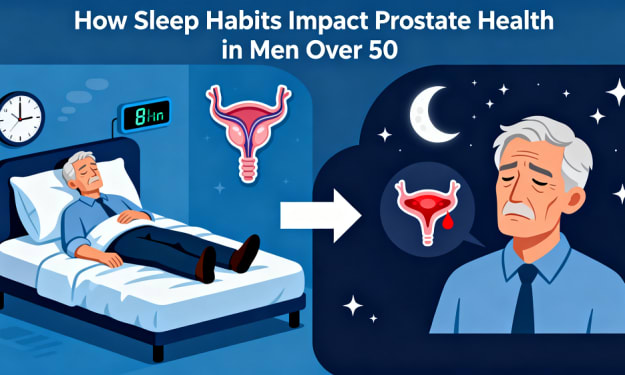
How Sleep Habits Impact Prostate Health in Men Over 50
For many men over 50, prostate health becomes a daily concern. Research suggests that nearly half of men in this age group experience urinary symptoms—such as frequent nighttime urination, difficulty emptying the bladder, or pelvic discomfort—that may be linked to conditions like benign prostatic hyperplasia (BPH) or prostatitis. While diet, exercise, and medical treatments are often discussed, one overlooked factor is sleep. The way you rest each night can directly influence your prostate and overall urinary health.
By Healthylifestyle4 months ago in Men
💘💘"The Lost Arrow" 💘💘
1. Introduction – The Legend of the Arrow In the quiet village of Eldoria, where the mountains kissed the sky and rivers sang lullabies to the earth, there was a tale older than memory itself—the tale of the Lost Arrow. It was not just any arrow; it was said to possess a power that could guide its finder to their destiny. Some whispered that it could reveal hidden truths, others claimed it could change the course of fate. For generations, the arrow had vanished without a trace, leaving behind only a faint shimmer under the moonlight, a silent promise that one day, it would return to someone brave enough to seek it.
By Talha khan4 days ago in Men
Smart phones, Humans and Aliens.
WARNING. I will be tapping into one of your favorite creative tensions: The absurdity of humans worshipping their glowing rectangles as if they were tiny oracles. There’s something deliciously poetic about that contradiction, and it lends itself beautifully to an instructive proviso.
By Novel Allen4 days ago in Poets


Comments
There are no comments for this story
Be the first to respond and start the conversation.