
How Sleep Habits Impact Prostate Health in Men Over 50
How Sleep Habits Impact Prostate Health
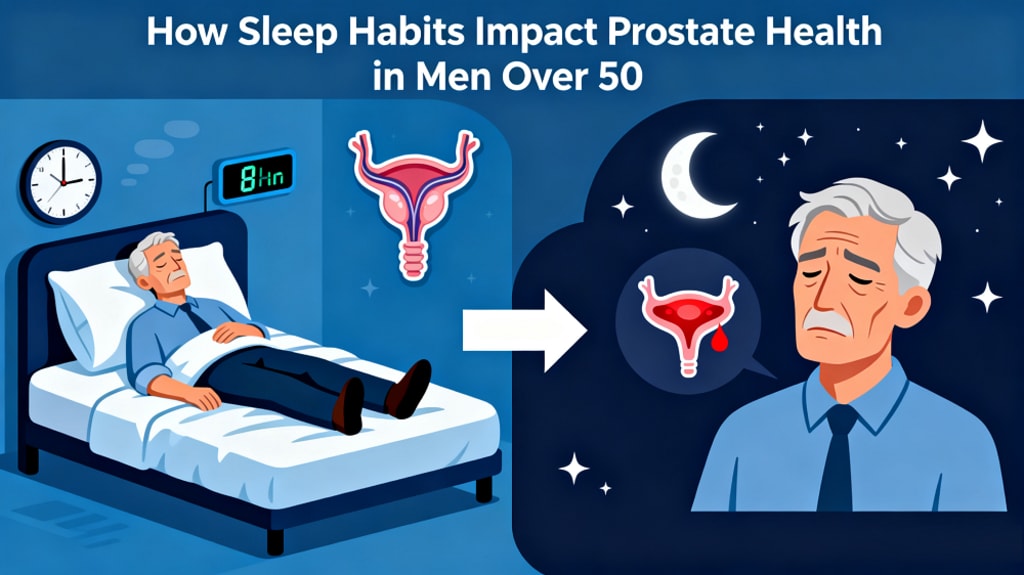
For many men over 50, prostate health becomes a daily concern. Research suggests that nearly half of men in this age group experience urinary symptoms—such as frequent nighttime urination, difficulty emptying the bladder, or pelvic discomfort—that may be linked to conditions like benign prostatic hyperplasia (BPH) or prostatitis. While diet, exercise, and medical treatments are often discussed, one overlooked factor is sleep. The way you rest each night can directly influence your prostate and overall urinary health.
Why Sleep Matters for the Prostate
Sleep is more than a pause from daily activity; it is the body’s primary repair period. During deep sleep:
Hormones are regulated: Testosterone and melatonin levels rise, both of which influence prostate tissue.
Blood circulation improves: This delivers oxygen and nutrients while removing waste products.
The immune system recharges: Strong immunity helps the body fight off infections that can affect the urinary tract and prostate.
When sleep is disrupted—whether by irregular schedules, poor environment, or stress—these natural repair mechanisms break down. Over time, poor sleep may increase inflammation, reduce circulation, and weaken defenses against prostate infections.
1. Adjusting Sleeping Position
Many men prefer sleeping on their back or side, but staying in one position for hours can put continuous pressure on the pelvic area. Since the prostate sits at the base of the pelvis, restricted circulation in this region may slow down healing or increase sensitivity.
Tips:
Change positions periodically during the night to reduce pressure.
Place pillows behind your back or between your knees to support movement.
Avoid long periods sleeping on your stomach, which can stress the bladder and lower abdomen.
Even subtle adjustments can improve blood flow and help maintain a healthier prostate.
2. Keep the Bedroom Cool and Comfortable
Temperature plays a significant role in sleep quality. A room that is too warm can increase sweating, especially in the groin area, leading to irritation and potentially bacterial growth. Meanwhile, sleeping in a cooler environment helps the body maintain normal hormone rhythms, including melatonin release, which indirectly supports immune and prostate health.
Tips:
Maintain a bedroom temperature around 20–22°C (68–72°F).
Choose breathable bedding like cotton or linen, and avoid overly heavy blankets.
Keep the groin area dry to prevent irritation and nighttime discomfort.
3. Stick to a Consistent Sleep Schedule
Irregular sleep patterns, such as staying up late or waking multiple times during the night, can cause more harm than many realize. Lack of consistent sleep disrupts the body’s circadian rhythm, lowering testosterone, raising inflammation, and weakening immunity—all of which may worsen prostate symptoms.
Tips:
Go to bed and wake up at the same times daily, including weekends.
Limit screen exposure before sleep, since blue light reduces melatonin production.
Adopt calming bedtime routines, like gentle stretching, meditation, or reading.
Other Nighttime Habits That Support Prostate Health
Besides sleep itself, other evening habits matter:
Hydration: Drink enough water throughout the day but reduce intake 2–3 hours before bed to avoid frequent urination.
Diet: Avoid heavy, greasy, or spicy meals late at night, which can irritate the bladder and worsen nocturia.
Alcohol and caffeine: Both can irritate the urinary tract and disrupt sleep cycles, so limit intake in the evening.
Stress management: High stress raises cortisol, which can increase inflammation and disturb sleep. Breathing exercises or short walks may help.
When to Seek Medical Advice
Sleep and lifestyle adjustments can help maintain prostate health, but men should not ignore persistent symptoms. See a healthcare provider if you experience:
Frequent nighttime urination that disrupts sleep.
Pain or burning with urination or ejaculation.
Blood in the urine or semen.
A sudden inability to urinate.
These may indicate prostatitis, BPH, or other urological conditions that require professional care.
Final Thoughts
Sleep is not just about feeling rested—it is an essential part of men’s health. For men over 50, consistent sleep patterns, proper sleeping positions, and a cool bedroom environment can all support prostate function and overall quality of life.
By paying attention to nightly habits and making small but meaningful changes, you can protect your prostate, reduce discomfort, and enjoy better energy and comfort during the day.
About the Creator
Healthylifestyle
I offer actionable guidance on reproductive wellness, holistic remedies, and healthy lifestyle choices. Come along as we embark on a journey to improve your health and empower your well-being!
Keep reading
More stories from Healthylifestyle and writers in Men and other communities.
How to Permanently Cure Prostatitis Naturally Using Diet and Exercise
Chronic prostatitis can be one of the most stubborn conditions men face, often leading to discomfort, urinary issues, and even a decline in quality of life. While antibiotics are commonly prescribed, they do not always address long-term relief, especially in non-bacterial cases. Many men today are seeking natural approaches that combine diet, exercise, and herbal medicine to support prostate health and reduce the risk of recurrence.
By Healthylifestyle5 months ago in Men


Comments
There are no comments for this story
Be the first to respond and start the conversation.