
Men Health- Don’t Ignore These Infections May Affect Your Fertility
What gonorrhea, chlamydia, UTIs, and other infections mean for sperm health—and how to protect your reproductive future

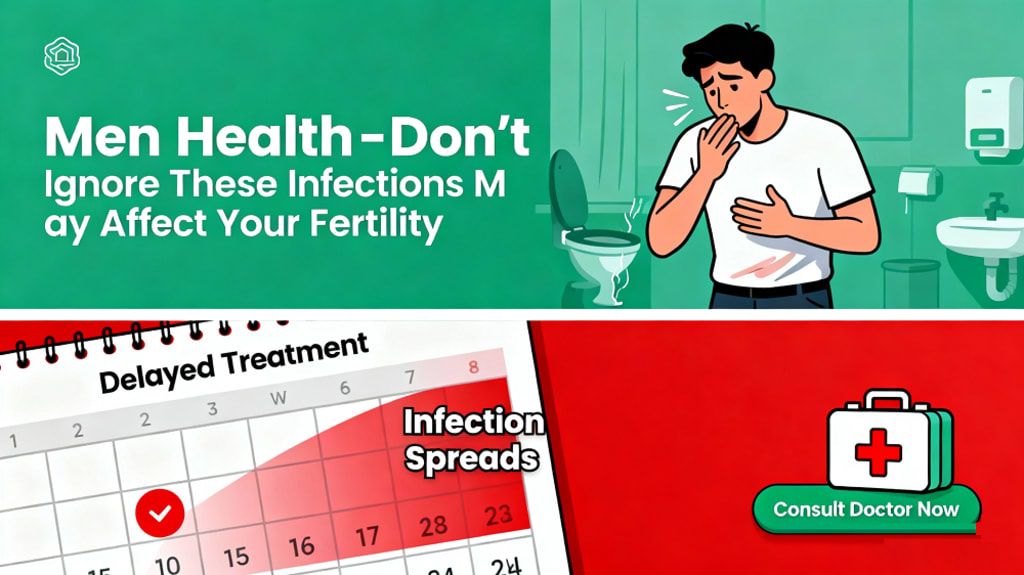
Have you ever brushed off a burning sensation when you pee, or a strange discharge, thinking it would “just go away”? Many men do. But here’s the thing: certain infections don’t just cause discomfort—they can quietly impact male fertility. If fatherhood is part of your plan, understanding how infections affect sperm health can save you time, stress, and heartache.
What male infertility really means
Male infertility occurs when a man is unable to achieve a pregnancy after regular, unprotected sex over a specific period of time—often defined as 12 months. According to the World Health Organization, about 1 in 6 people worldwide experience infertility at some point. It’s not only a women’s issue; infections, lifestyle, and medical conditions can affect men’s reproductive health too.
How infections can harm fertility in men
Think of the male reproductive system like a finely tuned workshop. The testicles produce sperm, the epididymis helps them mature, and a network of ducts carries them out. Infections—especially sexually transmitted infections (STIs) and urinary tract infections (UTIs)—can disrupt this system in a few key ways:
Inflammation and scarring: Bacterial infections can inflame the prostate, epididymis, or vas deferens. Over time, inflammation may lead to scarring, which can block the pathways sperm travel.
Lower sperm quality: Infections can reduce sperm count, motility (how well they swim), and shape—key factors in fertility.
Heat and fever: A high fever or increased scrotal temperature can temporarily lower sperm quality. Even tight underwear and hot tubs can add to the heat problem.
Oxidative stress: Inflammation can trigger reactive molecules that damage sperm, affecting their ability to fertilize an egg.
The infections men should never ignore
Here are the common infections linked to male fertility problems—and the early warning signs to watch for.
Gonorrhea
Gonorrhea is a sexually transmitted infection that can raise the risk of infertility if not treated promptly. Symptoms may include green, yellow, or white discharge from the penis, burning during urination, and testicular pain or swelling. If it spreads, it can inflame the prostate and other reproductive structures. Timely testing and treatment are crucial.
Chlamydia
Another bacterial STI, chlamydia can be sneaky—some men have no symptoms. When symptoms do appear, they often include unusual discharge and burning during urination. Untreated chlamydia can cause scarring and block the reproductive ducts, which can interfere with sperm production and transport.
Mycoplasma
Less widely discussed, mycoplasma is a sexually transmitted infection that has been linked to lower sperm motility (how well sperm swim). Awareness and testing are important because the symptoms can be mild or mistaken for other issues.
Urinary tract infections (UTIs)
UTIs happen in men too, and often involve bacteria like E. coli. Common signs include fever, chills, urgency, and burning when you pee. If the infection spreads to the testicles or prostate, it can lower sperm count and affect semen quality.
Your action plan: what to do if you notice symptoms
Don’t wait. If you have discharge, burning, testicular pain, fever, or unusual pelvic discomfort, book a medical appointment. Early treatment prevents complications.
Get the right tests. Ask about STI screening (often a urine test or swab) for gonorrhea, chlamydia, and mycoplasma, and a urine culture for UTIs. Your clinician may recommend a prostate or scrotal exam if needed.
Follow treatment exactly. Many of these infections require prescription antibiotics. Finish the full course, even if symptoms improve, and avoid self-medicating with leftover antibiotics.
Tell your partner(s). Sexual partners may need testing and treatment to prevent reinfection and protect their health.
Re-test if advised. Some infections warrant a follow-up test to confirm clearance.
Consider a semen analysis. If you’re trying to conceive and had an infection, a semen analysis can check sperm count and quality once the infection resolves.
Everyday prevention tips that protect fertility
Use condoms with new or multiple partners to reduce STI risk.
Get vaccinated where appropriate. Hepatitis B vaccination is recommended, and HPV vaccination can protect overall sexual health.
Manage heat exposure. Choose breathable underwear and avoid prolonged hot tubs or saunas if you’re actively trying to conceive.
Stay hydrated and don’t hold your urine for long periods—helpful for urinary tract health.
Keep diabetes, high blood pressure, and weight in check. Metabolic health supports sperm quality.
Avoid tobacco and limit alcohol. Both can damage sperm and increase infection risk.
Practice good hygiene, especially after workouts or sexual activity.
Temperature and semen quality: a quick note
Your scrotum is designed to keep the testicles slightly cooler than the rest of your body—ideal for sperm production. Fevers, tight clothing, and prolonged sitting in hot environments can nudge that temperature up, temporarily lowering sperm quality. Give your body a few months to rebound after a fever or infection; sperm cycles typically run about 72–90 days.
When to see a fertility specialist
If you and your partner have tried to conceive for a year (or six months if your partner is over 35).
If you have a history of STIs, UTIs, testicular pain, swelling, or prostate issues.
If you’ve noticed changes like low semen volume, blood in semen, or difficulty ejaculating.
A fertility specialist can evaluate your reproductive health, order a semen analysis, and guide you on next steps.
A supportive add-on some men ask about: Diuretic and Anti-inflammatory Pill (Sponsored)
Some readers look for comfort-oriented options alongside medical care. Diuretic and Anti-inflammatory Pill is a product used by some men aiming to support urinary comfort and reduce pelvic discomfort during recovery from non-complicated infections or inflammation.
Important notes:
It is not a treatment for STIs or a substitute for prescribed antibiotics.
Always talk to a healthcare professional before starting any new product, especially if you have symptoms like discharge, fever, or testicular pain.
If you suspect gonorrhea, chlamydia, or a UTI, seek medical testing and evidence-based treatment first, then discuss any supportive options as appropriate.
The bottom line
Male infertility isn’t just about sperm count—it’s about the health of your whole reproductive system. Infections like gonorrhea, chlamydia, mycoplasma, and UTIs can quietly undermine fertility if left unmanaged. The good news: most infection-related fertility risks can be reduced with early testing, proper treatment, and smart prevention habits. If something feels off, don’t ignore it. Your future family could depend on the steps you take today.
Start small: schedule a check-up, use protection, hydrate well, and keep the heat down. If you’ve had symptoms or recurrent infections, consider a semen analysis after treatment. Protect your reproductive health now, so you can protect your fertility for years to come.
About the Creator
Shuang hou
I write about prostatitis, epididymitis, seminal vesiculitis, orchitis, and male infertility — offering insights on natural therapies, and real solutions for chronic male reproductive conditions.
Keep reading
More stories from Shuang hou and writers in Men and other communities.
Always Need to Pee but Only a Little Comes Out? Causes + Fixes
Ever sprinted to the bathroom because you “had to go,” only to pass a few drops and feel like you still need to pee? You’re not imagining it—and you’re not alone. That frustrating mix of frequent urination and low urine output is surprisingly common. It can be harmless and temporary, or it can be your body’s way of waving a flag: something needs attention.
By Shuang hou3 months ago in Men
The Fortune in the Mop Bucket: The Janitor Who Secretly Funded a Stranger's Future
The halls of a high school after dark are a strange, liminal space. During the day, they are a cacophony of slamming lockers, shouting teenagers, and the squeak of sneakers. But after 4:00 PM, when the last bus pulls away and the teachers pack up their grading, the building exhales. It becomes a cavern of silence, smelling of floor wax, stale chalk dust, and industrial cleaner.
By Frank Massey 6 days ago in Men
How to Handle a Midlife Crisis Like a Champion
Feeling stuck, restless, or questioning everything about your life? You're not alone. Millions of people experience a midlife crisis between their 40s and 60s, and while it feels overwhelming, you can absolutely navigate this challenging time with confidence and purpose.
By LaMarion Ziegler3 days ago in Men


Comments
There are no comments for this story
Be the first to respond and start the conversation.