
Low Sodium Water vs. Mineral Water: Which Is Better for Your Health?
Drinking water
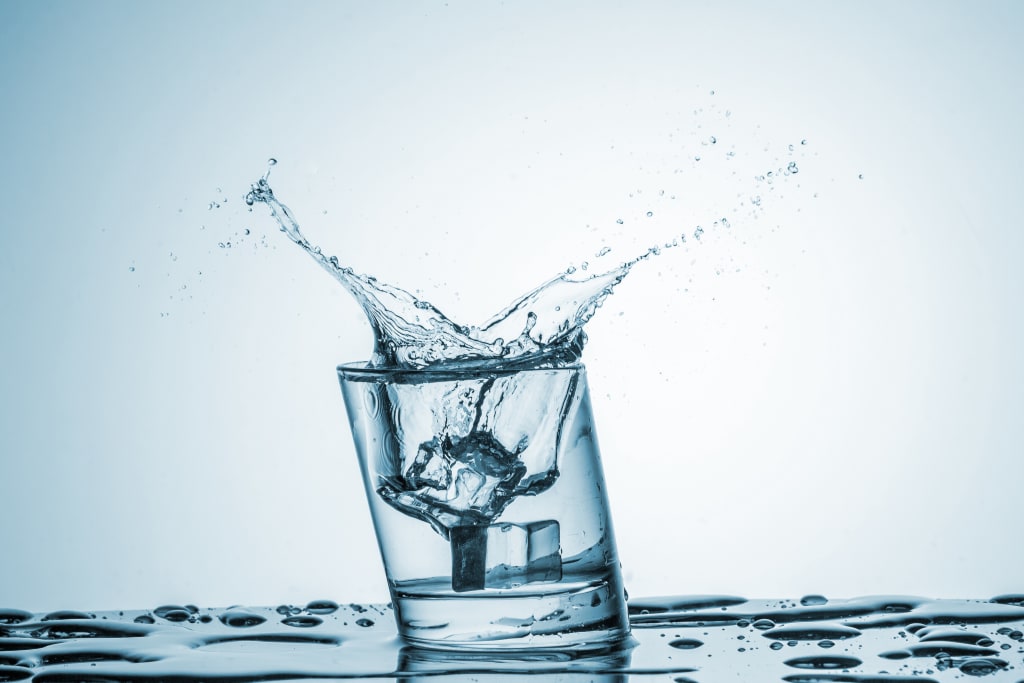
When it comes to choosing the best type of water for your daily hydration, you may have come across two popular options: low sodium water and mineral water. Both offer distinct benefits, but the choice between them depends largely on your health goals, dietary restrictions, and personal preferences. In this blog, we’ll break down the differences between low sodium water and mineral water, and help you determine which one is better suited to your needs.
What Is Low Sodium Water?
Low sodium water, as the name suggests, contains a significantly lower amount of sodium (salt) compared to regular drinking water. Sodium is an essential electrolyte, but consuming too much can lead to high blood pressure, water retention, and other health issues. For people with specific conditions like hypertension, kidney disease, or those on low-sodium diets, low sodium water can be a healthier option.
Low sodium water is typically filtered or treated to reduce the amount of sodium and other impurities, offering a more balanced and purer form of hydration. It’s often a good choice for those who want to maintain a healthy electrolyte balance without worrying about excess sodium intake.
What Is Mineral Water?
Mineral water, on the other hand, is naturally sourced from mineral-rich springs. It contains a variety of minerals like calcium, magnesium, potassium, and sodium, all of which come from the earth. These minerals are dissolved in the water as it flows through underground rocks and deposits, giving mineral water its distinct taste and health benefits.
While the mineral content of mineral water can vary depending on the source, it’s generally higher in essential minerals compared to regular tap water. Drinking mineral water may offer a number of benefits, such as promoting bone health, supporting muscle function, and aiding in hydration due to the electrolytes it provides.
Low Sodium Water vs. Mineral Water: Key Differences
Sodium Content:
Low Sodium Water: As the name implies, low sodium water contains minimal sodium content. This makes it an ideal option for people who need to restrict their sodium intake due to health conditions like high blood pressure or heart disease.
Mineral Water: Mineral water typically contains sodium, along with other essential minerals like magnesium, calcium, and potassium. The sodium content can vary, but it’s often higher than in low sodium water.
Health Benefits:
Low Sodium Water: This type of water is best for those on low-sodium diets, or individuals with health conditions that require careful sodium management. It helps to stay hydrated without increasing your sodium intake, which can help maintain normal blood pressure and reduce the risk of heart disease.
Mineral Water: Mineral water is rich in natural minerals, which can contribute to overall health. The calcium and magnesium in mineral water support strong bones and teeth, while potassium helps maintain healthy muscle function and hydration. If you’re looking for a natural boost of minerals, mineral water is an excellent choice.
Taste:
Low Sodium Water: Low sodium water tends to have a neutral taste since it has fewer minerals and impurities. It’s ideal for those who prefer their water to be tasteless and clean.
Mineral Water: Mineral water has a distinct taste due to its mineral content. Some people find it refreshing, while others might not like the slightly salty or mineral-rich flavor. It’s often preferred by people who enjoy a more flavorful water option.
Hydration:
Low Sodium Water: Hydration with low sodium water can be just as effective as other water types. It provides pure, clean water without the added electrolytes found in mineral water, but it’s still effective in keeping you hydrated.
Mineral Water: Thanks to the minerals it contains, mineral water can help hydrate more efficiently than regular water. The electrolytes, especially sodium and potassium, can replenish your body’s needs during intense physical activity or heat.
Which Is Better for You: Low Sodium Water or Mineral Water?
The choice between low sodium water and mineral water ultimately depends on your health goals and preferences. Here’s a quick guide to help you decide:
Choose Low Sodium Water if:
You’re on a low-sodium diet.
You need to manage blood pressure, kidney disease, or other health conditions that require sodium restriction.
You prefer neutral-tasting water without any added minerals.
Choose Mineral Water if:
You want to boost your intake of essential minerals like calcium, magnesium, and potassium.
You lead an active lifestyle and need a more hydrating water option.
You enjoy the refreshing taste of mineral-rich water.
Both types of water offer unique benefits, so the best choice for you depends on your specific needs and taste preferences. If you’re still unsure, you may want to consult with a healthcare professional to determine which option best fits your lifestyle and health requirements.
Conclusion: A Matter of Personal Choice
When it comes down to it, both low sodium water and mineral water have their own advantages. Low sodium water is a better option for those looking to reduce their sodium intake, while mineral water offers additional health benefits thanks to its rich mineral content. By understanding your personal health goals and hydration needs, you can make an informed decision about which type of water is best for you.
About the Creator
Why You're Getting Friendzoned (And How to Fix It)
Getting stuck in the friendzone happens to countless guys who wonder why their romantic interest sees them as "just a friend." For men who keep finding themselves in this frustrating situation, understanding the real reasons behind getting friendzoned is the first step toward changing the pattern.
By LaMarion Ziegler5 days ago in Men



Comments (1)
I find it awesome.