
Living with Prostatitis, Testicular Pain, and Swelling: Daily Challenges and Practical Solutions
Prostatitis with Testicular Pain, and Swelling
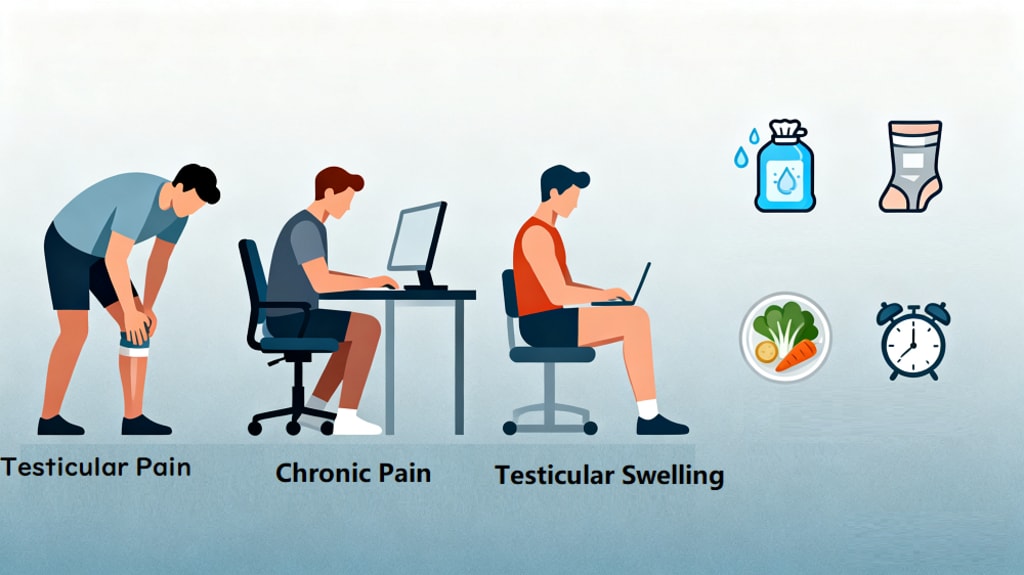
Prostatitis is a condition that affects millions of men worldwide, often disrupting both physical health and quality of life. While many associate prostatitis only with urinary issues, some men also experience testicular pain and swelling, which can significantly impact daily activities, work, relationships, and emotional well-being. Understanding the link between prostatitis and these symptoms—and learning how to manage them—can help patients take back control of their lives.
Why Does Prostatitis Cause Testicular Pain and Swelling?
The prostate is closely connected to the seminal vesicles, epididymis, and testicles through shared ducts and blood supply. When the prostate becomes inflamed, the infection or inflammation can spread to nearby tissues, leading to:
Radiating pain: Prostatitis-related pelvic pain may radiate into the scrotum, causing discomfort in one or both testicles.
Congestion and swelling: Inflammation disrupts normal blood and lymphatic circulation, which can result in testicular swelling and a heavy sensation.
Associated conditions: Chronic prostatitis may trigger or worsen epididymitis, further intensifying pain and swelling.
The Impact on Daily Life
Living with prostatitis and testicular discomfort is not just a medical issue—it can affect nearly every aspect of daily living:
Work productivity: Constant pelvic or testicular pain makes it difficult to focus, especially for men in sedentary jobs.
Sexual health: Pain and swelling often reduce libido, cause premature ejaculation, or lead to performance anxiety.
Exercise and mobility: Men may avoid physical activity due to discomfort, leading to a sedentary lifestyle that worsens circulation.
Mental health: Chronic pain and worry about fertility or masculinity can contribute to depression and social withdrawal.
Practical Daily Management Strategies
Although prostatitis with testicular pain and swelling can be frustrating, adopting certain lifestyle habits can make daily life more manageable:
1. Warm Compress and Sitz Baths
Applying gentle heat to the perineal or scrotal area helps relax muscles, promote blood circulation, and reduce discomfort. Herbal sitz baths are also a traditional option for relieving pelvic congestion.
2. Supportive Underwear
Wearing well-fitted, supportive underwear reduces strain on swollen or painful testicles, providing comfort during daily activities.
3. Balanced Diet and Hydration
Avoiding spicy foods, caffeine, and alcohol can reduce prostate irritation. Including antioxidant-rich foods like berries, nuts, and leafy greens supports recovery. Staying hydrated helps flush out bacteria and toxins.
4. Regular but Gentle Activity
Light walking or stretching promotes circulation and prevents pelvic congestion. Avoid high-impact sports such as cycling or heavy lifting, which may worsen scrotal discomfort.
5. Stress Management
Stress can intensify prostatitis symptoms by increasing muscle tension in the pelvic floor. Breathing exercises, yoga, and mindfulness can provide relief.
6. Medical and Herbal Support
Antibiotics or anti-inflammatory medications may be necessary for bacterial prostatitis. For men with recurrent or chronic cases, herbal formulations such as the Diuretic and Anti-inflammatory Pill have shown benefits in reducing swelling, improving urination, and alleviating testicular pain without the side effects of long-term antibiotics.
When to Seek Medical Attention
While mild testicular discomfort may improve with self-care, you should seek immediate medical help if you experience:
Sudden and severe scrotal pain
Rapid swelling or redness of the scrotum
Fever, chills, or systemic symptoms
Blood in semen or urine
These may indicate complications such as acute epididymitis, abscess, or torsion, all of which require urgent treatment.
Q&A: Common Questions About Prostatitis with Testicular Pain and Swelling
Q1: Can prostatitis-related testicular pain affect fertility?
Yes. Chronic inflammation can impair sperm quality and lead to reduced fertility. Seeking timely treatment and managing inflammation effectively are crucial for protecting reproductive health.
Q2: Is testicular swelling always caused by prostatitis?
Not necessarily. Swelling may also result from epididymitis, hydrocele, varicocele, or even testicular torsion. A proper medical diagnosis is essential to rule out other conditions.
Q3: How long does it take for testicular pain and swelling to improve after treatment?
Recovery time varies. Acute prostatitis may improve within weeks, while chronic prostatitis with testicular involvement may require months of consistent treatment and lifestyle adjustments.
Q4: Can herbal medicine really help with prostatitis symptoms?
Yes. Herbal medicine such as the Diuretic and Anti-inflammatory Pill is designed to clear heat, reduce inflammation, and improve circulation. Many men report symptom relief and reduced recurrence when combining it with lifestyle modifications.
Q5: Should I avoid sex if I have prostatitis and testicular pain?
Moderate sexual activity is usually safe, but if pain worsens after intercourse, it’s best to limit frequency and consult your doctor. Overexertion or abstinence for too long may both aggravate symptoms.
Final Thoughts
Prostatitis complicated by testicular pain and swelling can be a challenging condition that disrupts both physical and emotional health. However, with proper medical care, lifestyle adjustments, and supportive therapies, men can significantly reduce discomfort and improve daily life.
By combining medical treatment with natural approaches—such as herbal sitz baths, dietary improvements, and the Diuretic and Anti-inflammatory Pill—patients can take an active role in managing their condition, protecting fertility, and restoring confidence in everyday living.
About the Creator
George
I share practical, research-based insights on men's urogenital health—like prostatitis, orchitis, epididymitis, and male infertility, etc—to help men understand and improve their well-being.
10 Things That Can Change Your Life in Six Months If You Stay Consistent
1. Remove Harmful Distractions One of the biggest productivity killers today is constant distraction. Porn, excessive social media, and mindless entertainment steal hours from your day without giving anything meaningful in return. These habits may seem harmless at first, but over time they slowly drain your focus, motivation, and energy.
By The Curious Writer4 days ago in Men
Thief In The Night
To the thief in the night that took and replicated what once was mine: Honestly, I feel kind of bad for you. It’s funny, because we hardly know each other. I only know of you through the magazines you’ve written and the broadcasts you have televised in the past — as well as through the public mentions of you from your show business connections there.
By Snarky Lisa7 days ago in Humans


Comments
There are no comments for this story
Be the first to respond and start the conversation.